2 hr 30 min
Julian Rocks Marine Sanctuary Snorkelling Adventure
- Entry ticket
- Mobile voucher
- Valid same day
- Free cancellation
Snorkeling Byron Bay — Julian Rocks Marine Reserve
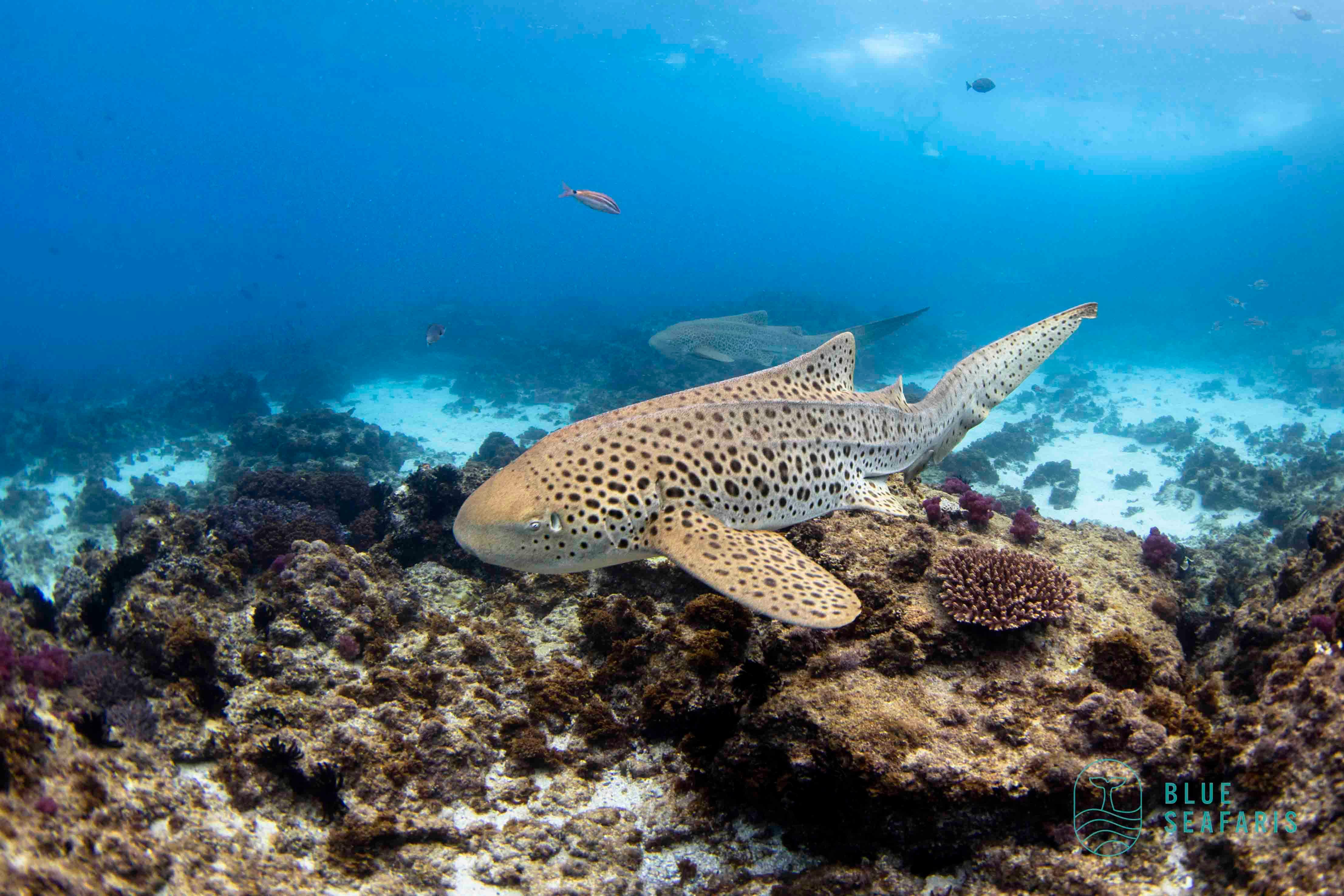
Manta rays circle volcanic spires, grey nurse sharks patrol the drop-off
Compare fares, pick the fit — all bookings are mobile-voucher and eligible for free cancellation where shown.
2 hr 30 min
3 hr
2 hr 30 min
| Experience | Duration | Rating | Guide | Small group | Free cancel. | Price | |
|---|---|---|---|---|---|---|---|
|
Standard Entry
Most popular
Julian Rocks Marine Sanctuary Snorkelling Adventure
|
2 hr 30 min | ★ 4.5 | ✓ | ✓ | ✓ | €86 | Book → |
|
Standard Entry
Nguthungulli Julian Rocks Snorkeling Adventure
|
3 hr | ★ 4.7 | — | — | ✓ | €79 | Book → |
|
Standard Entry
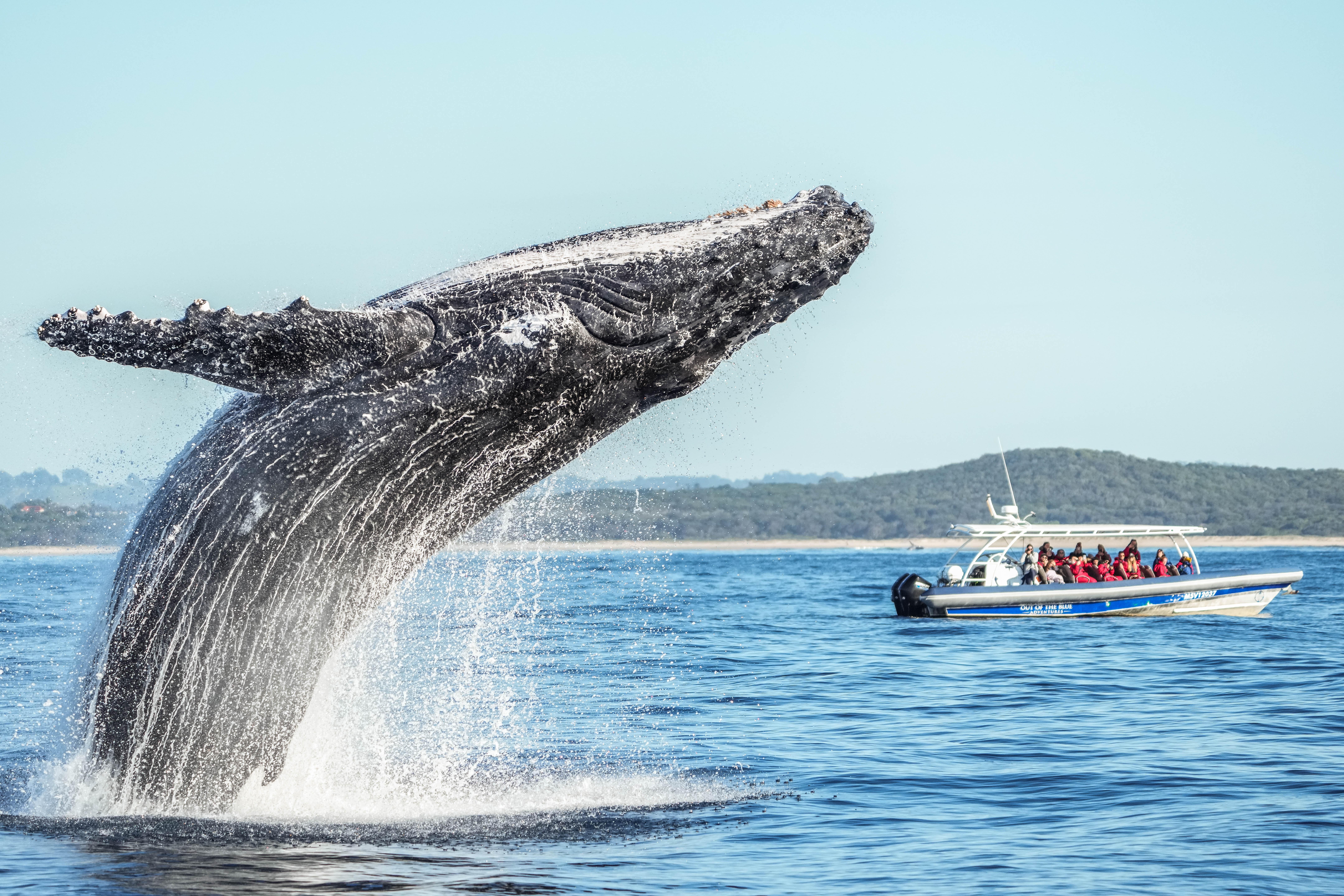
Byron Bay Whale Watching with Marine Biologist
|
2 hr 30 min | ★ 4.8 | ✓ | ✓ | ✓ | €79 | Book → |
They complement each other; most visitors who do both call the Julian Rocks Nguthungulli Marine Reserve the more thrilling experience for marine biodiversity. Whether you choose professional snorkeling byron bay tours or a relaxed shore session, the local sea life remains a highlight.
|
Top pick Julian Rocks |
Shore-based (The Pass/Wategos) | |
|---|---|---|
| Access method | Boat transfer | Walk-in from beach |
| Marine life diversity | High (turtles/rays/sharks) | Low to moderate |
| Required equipment | Rental gear included | Personal or hired gear |
| Physical effort | Low (water entry) | Moderate (beach swim) |
| Crowd levels | Controlled group sizes | Varies by beach attendance |
| See tickets & prices |
Verdict: If your goal is wildlife density, securing snorkeling byron bay tickets for a boat trip is superior, whereas shore snorkeling offers flexibility for those seeking a casual snorkeling byron bay tour.
Hand-picked experiences loved by thousands of travelers
2 hours
Free Cancellation
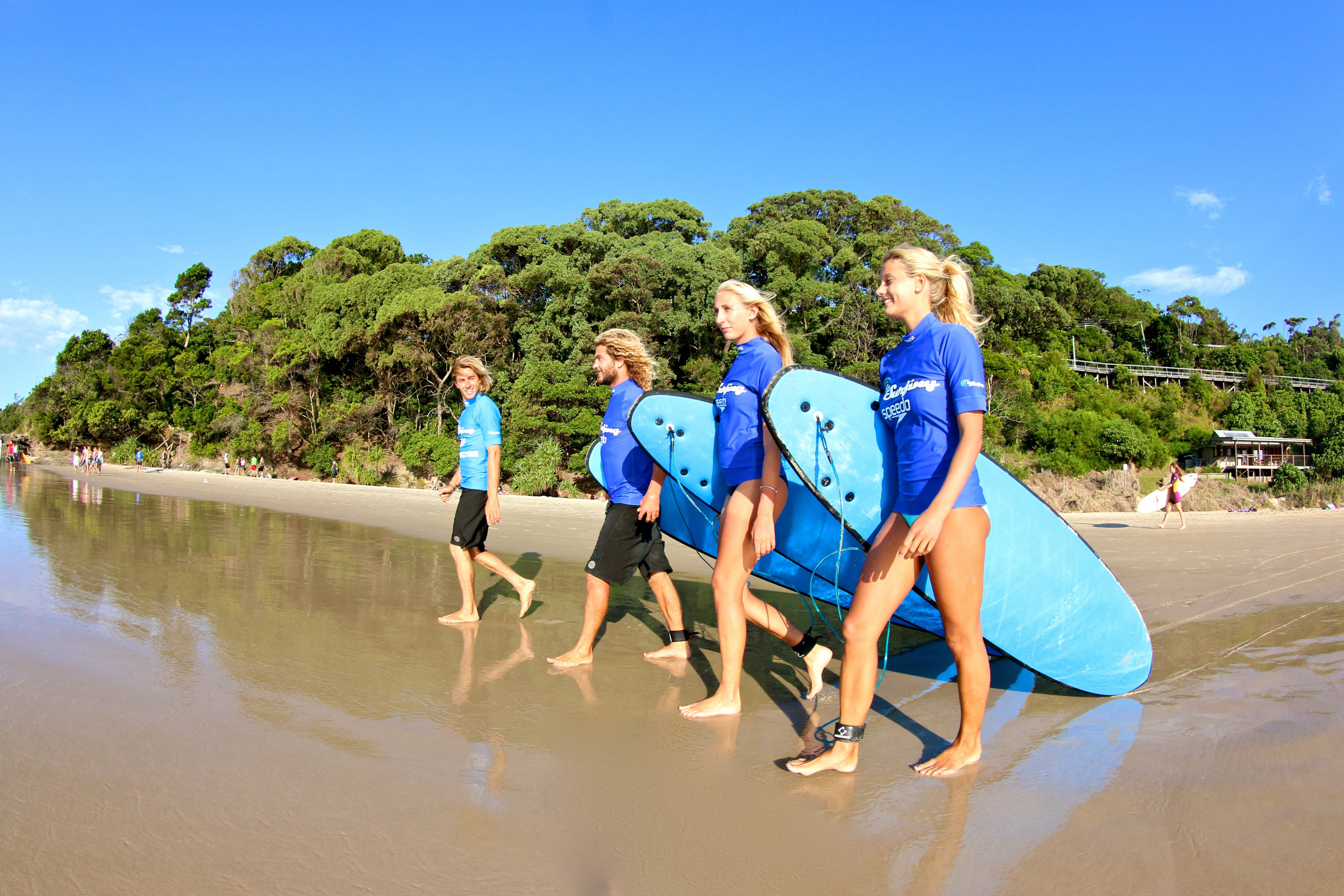
Master the waves in a 2-hour beginner-friendly session with expert instructors and all gear included.
5.5 hours
Free Cancellation
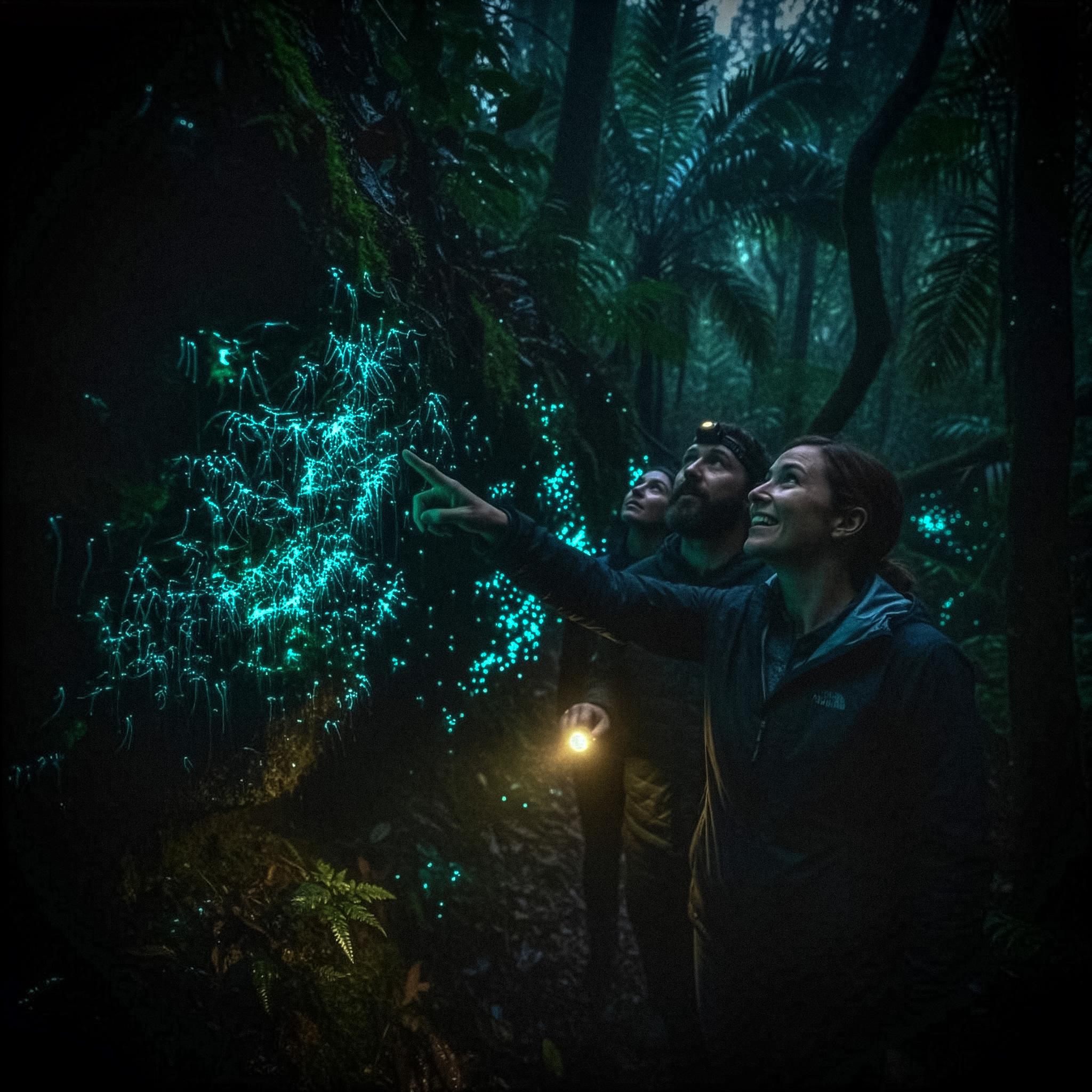
Journey through ancient forests to hidden waterfalls and witness nature's light show with glowworms
6 hours
Free Cancellation
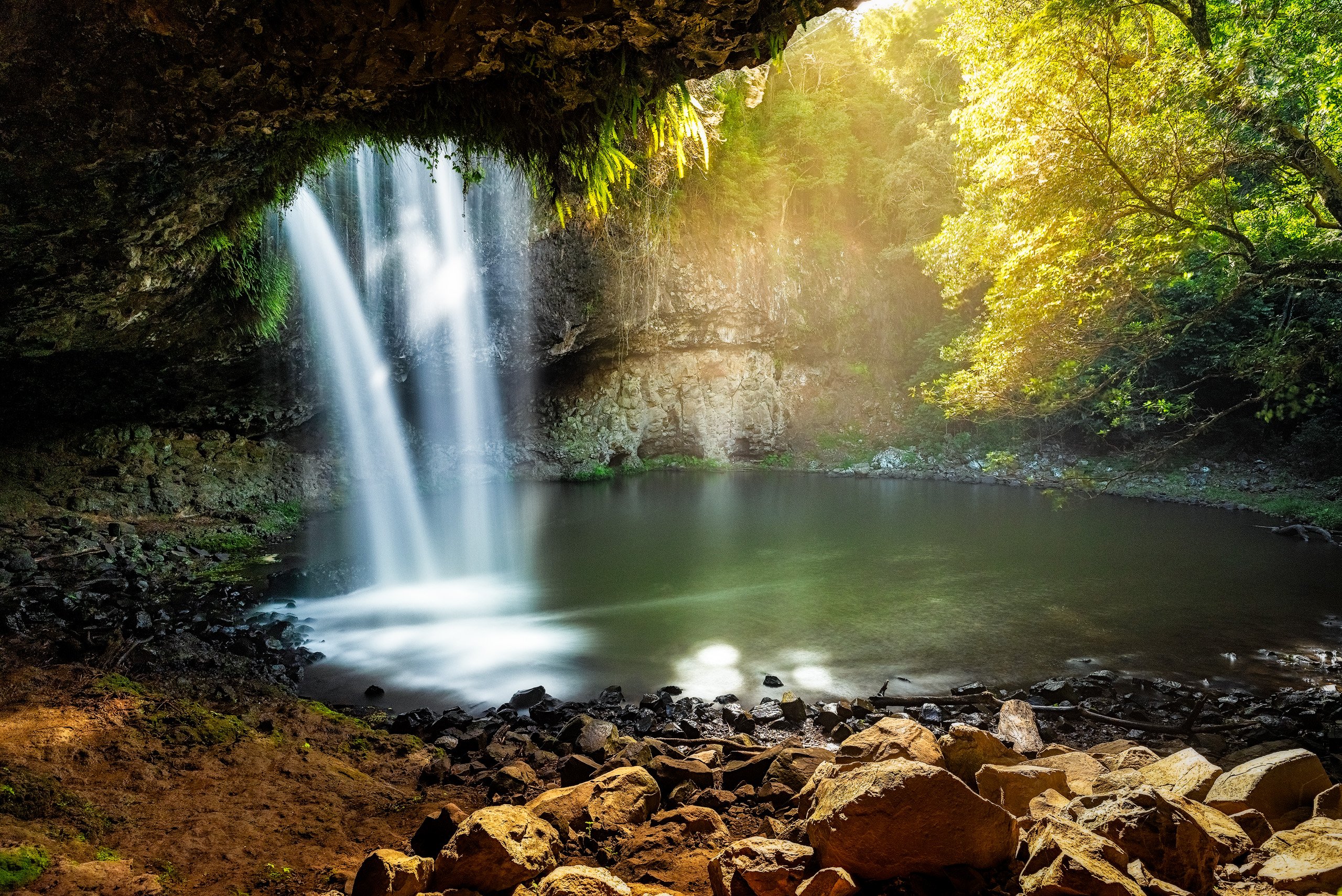
Discover secluded waterfalls, coastal treasures and healing lake waters on this Northern Rivers adventure
4 hours
Free Cancellation
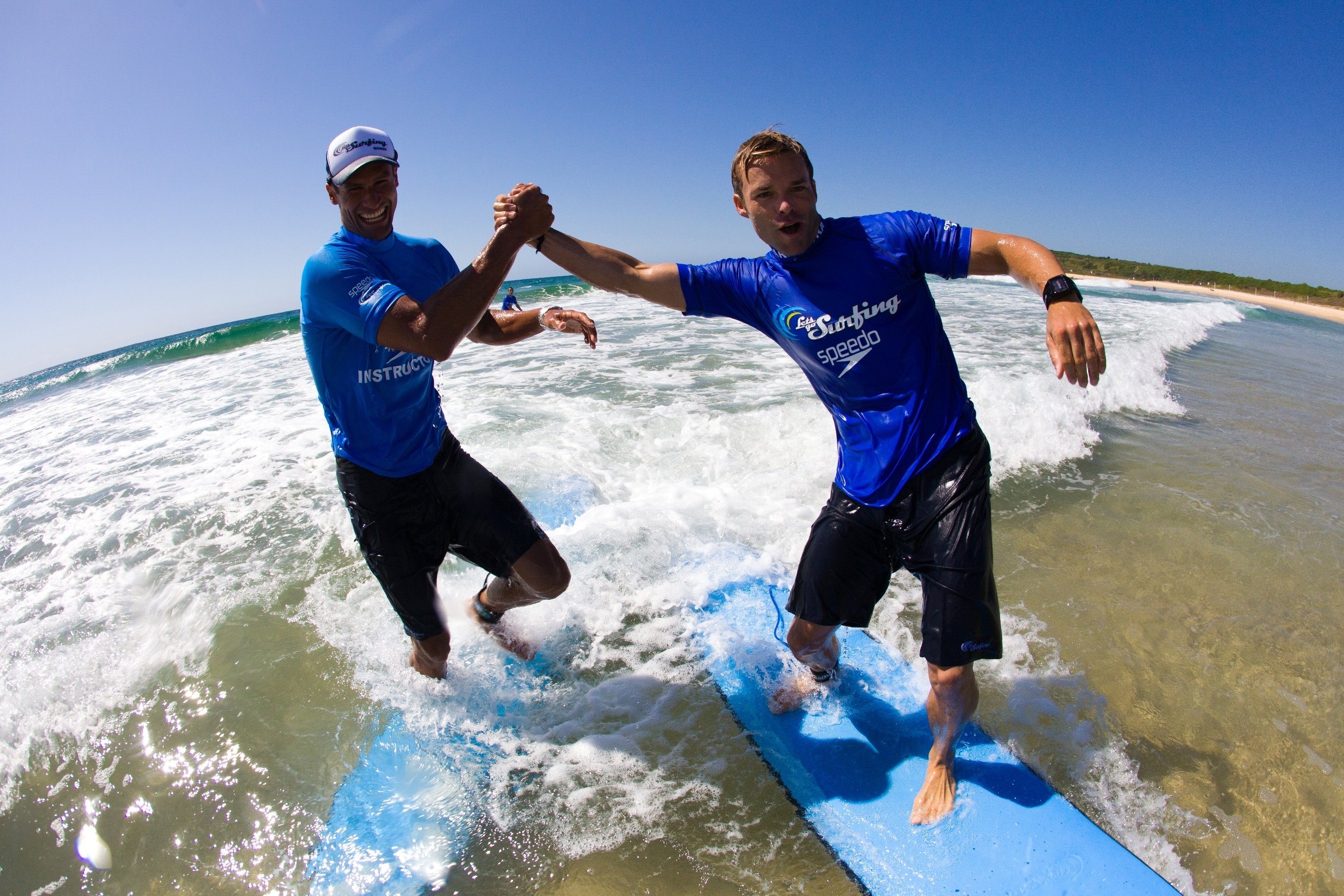
Master the waves with expert instructors at premium beaches near Byron Bay in small groups
4.5 hours
Free Cancellation
Float above Byron Bay at dawn, then feast on ethical farm-to-table fare at Three Blue Ducks Restaurant
3 hours
Free Cancellation
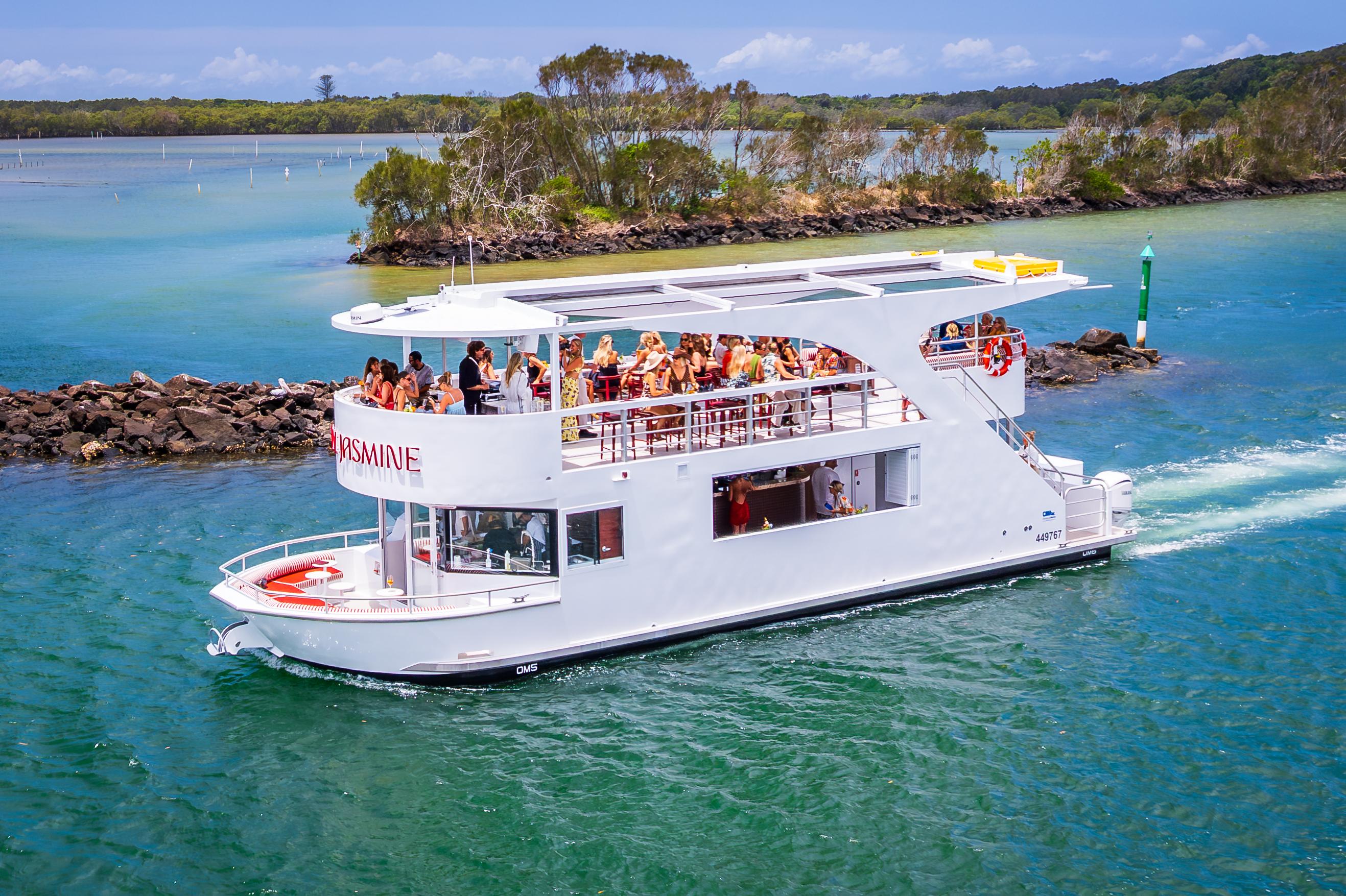
Three-hour adults-only river cruise featuring seasonal degustation menu, curated music and refined atmosphere
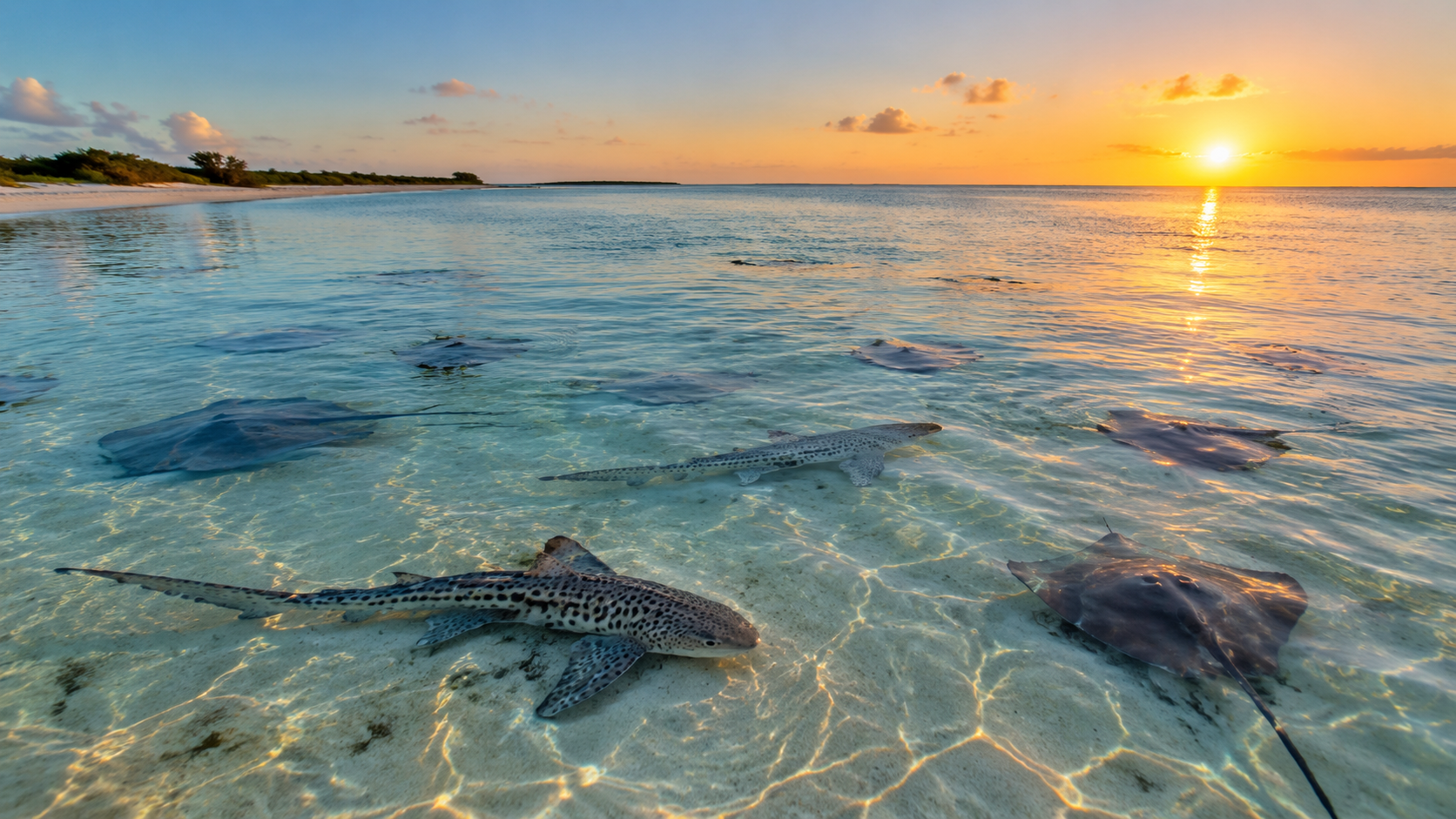
A shallow sandy area famous for resting leopard sharks and abundant rays in summer months.
A deeper passage often frequented by grey nurse sharks during the cooler winter months.
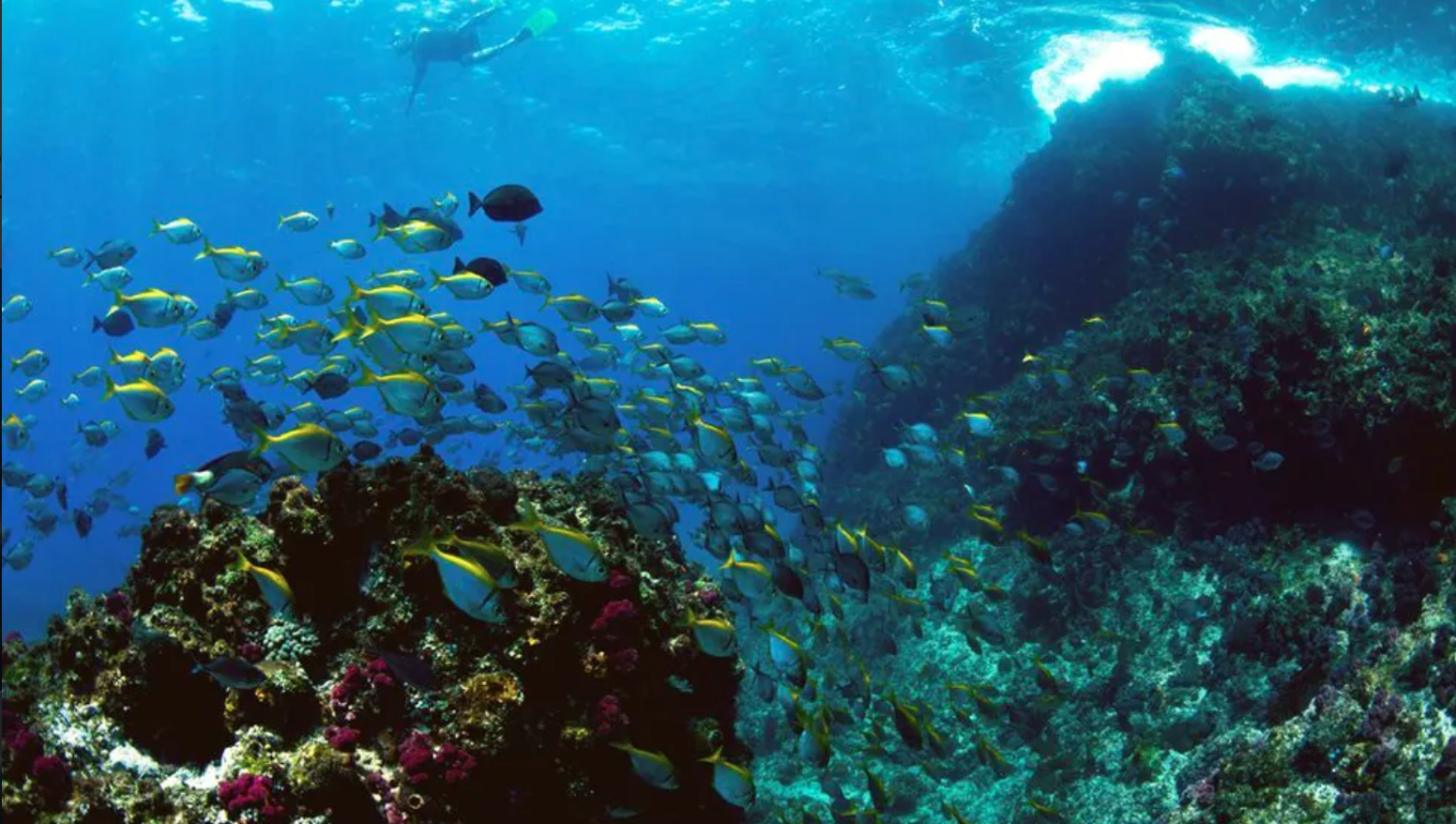
A series of rocky outcrops that attract manta rays and large schools of tropical fish.
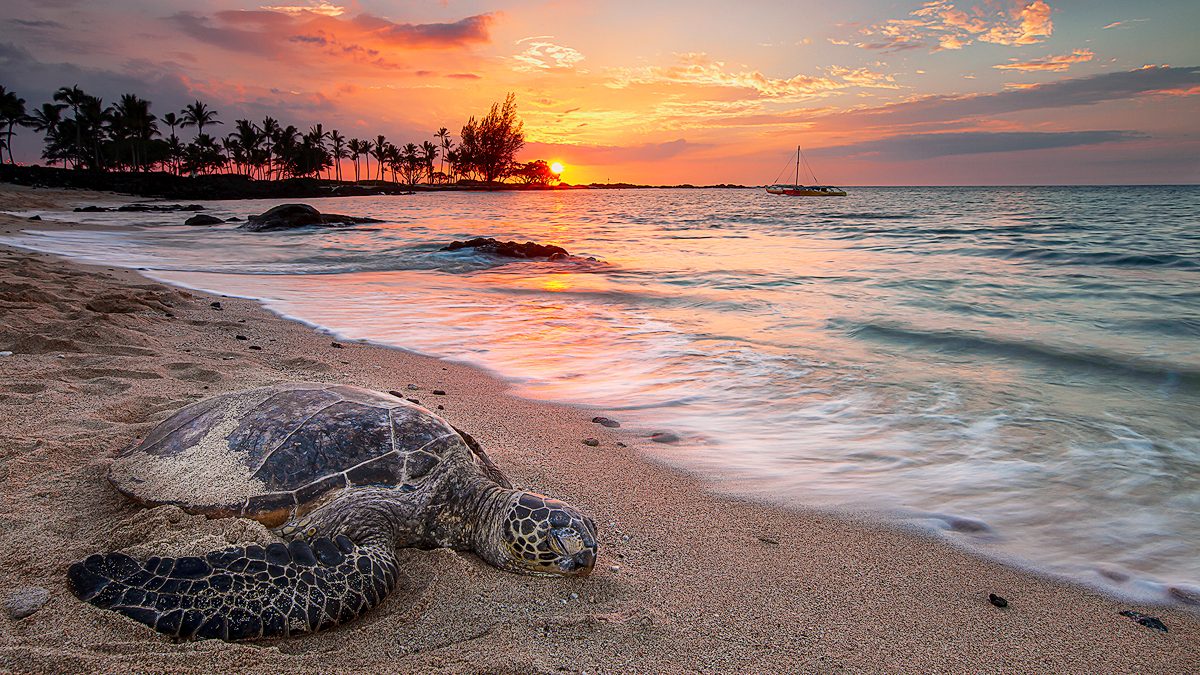
A popular area where green and loggerhead turtles are frequently sighted year-round.
A sacred site where the spirit of Nguthungulli is said to rest, protected by high-level sanctuary status.
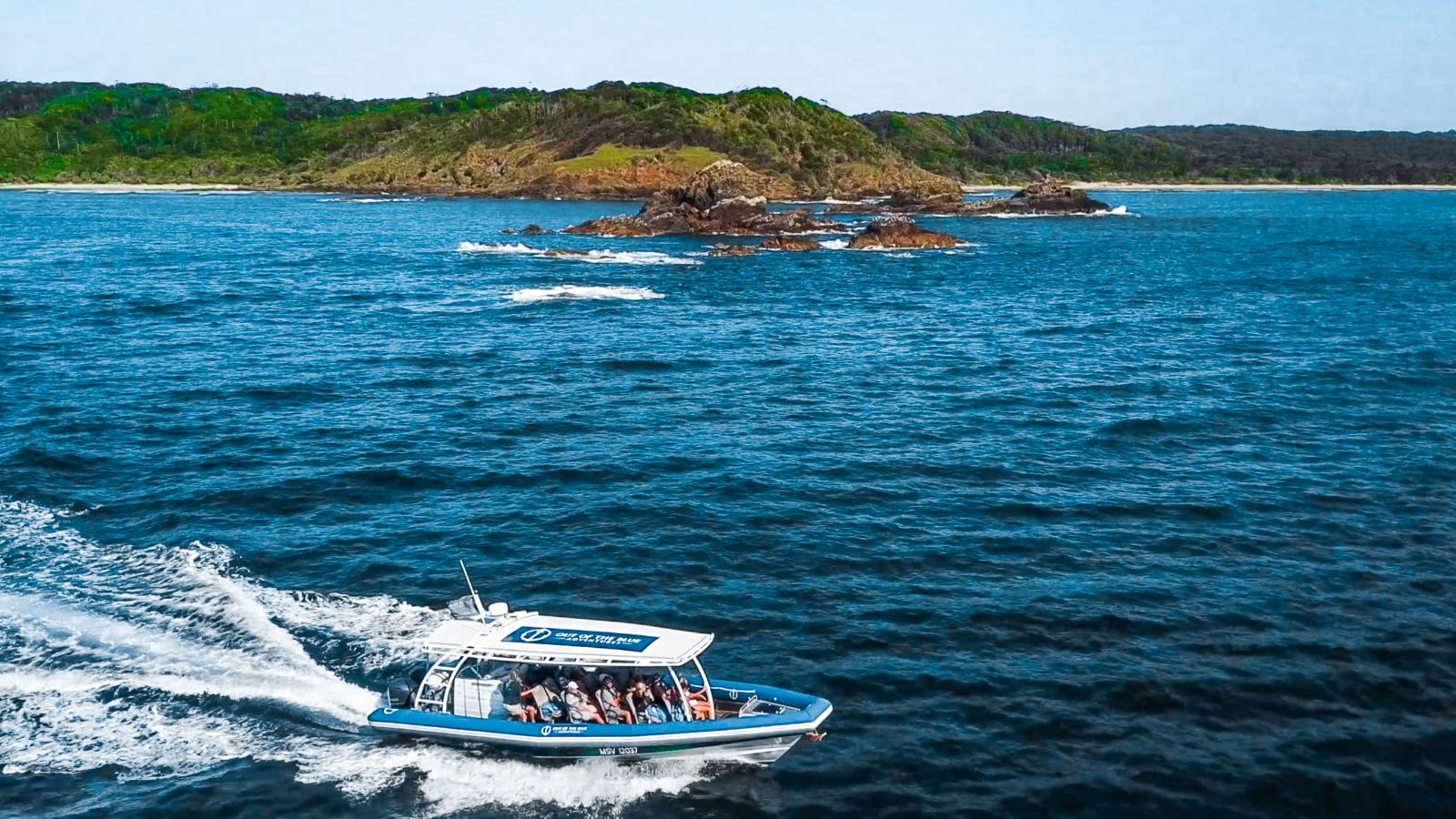
You board the dive boat at Main Beach as the sun clears Cape Byron, the wetsuit already laid out on your assigned bench. The 15-minute crossing gives you time to adjust your mask while the crew briefs on hand signals and shark behaviour protocols.
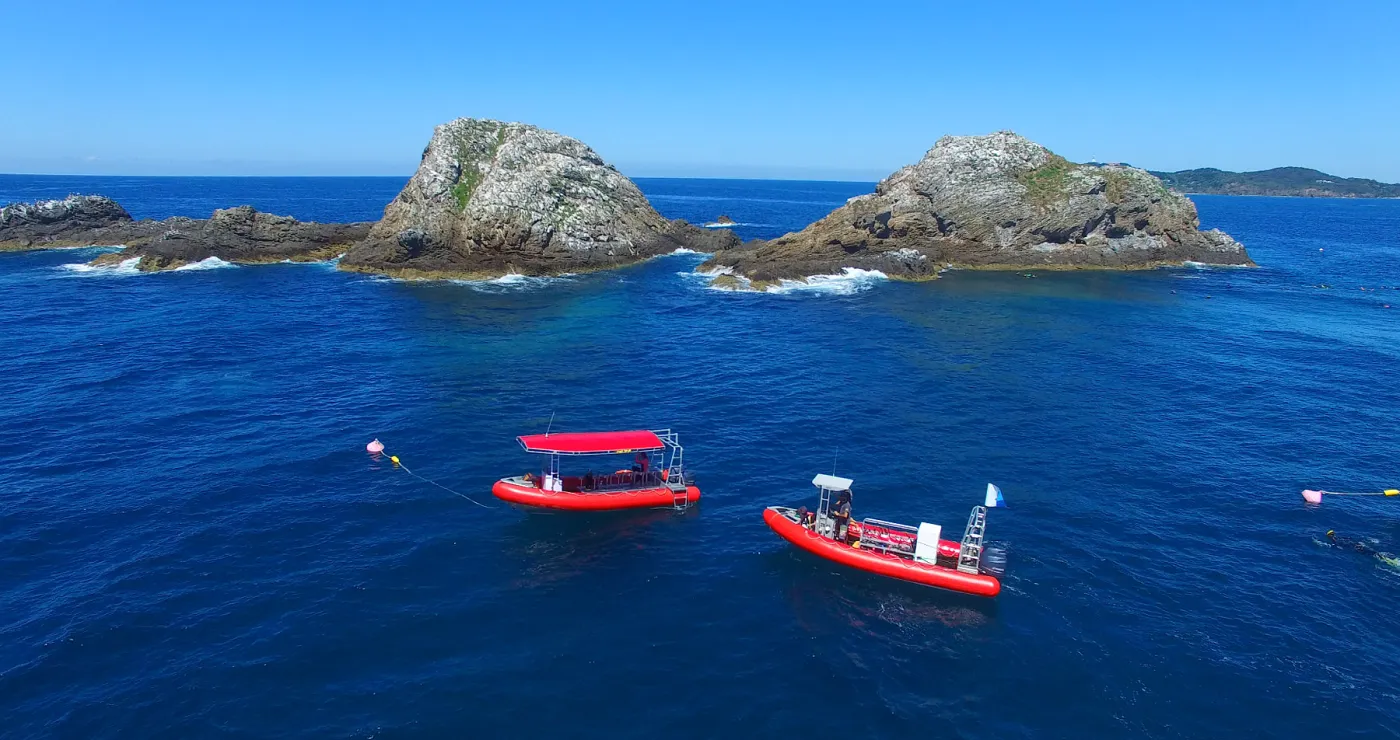
As the boat slows near the southern pinnacle, you spot the rocky spires breaking the surface, barnacle-crusted and marked by centuries of wave action.
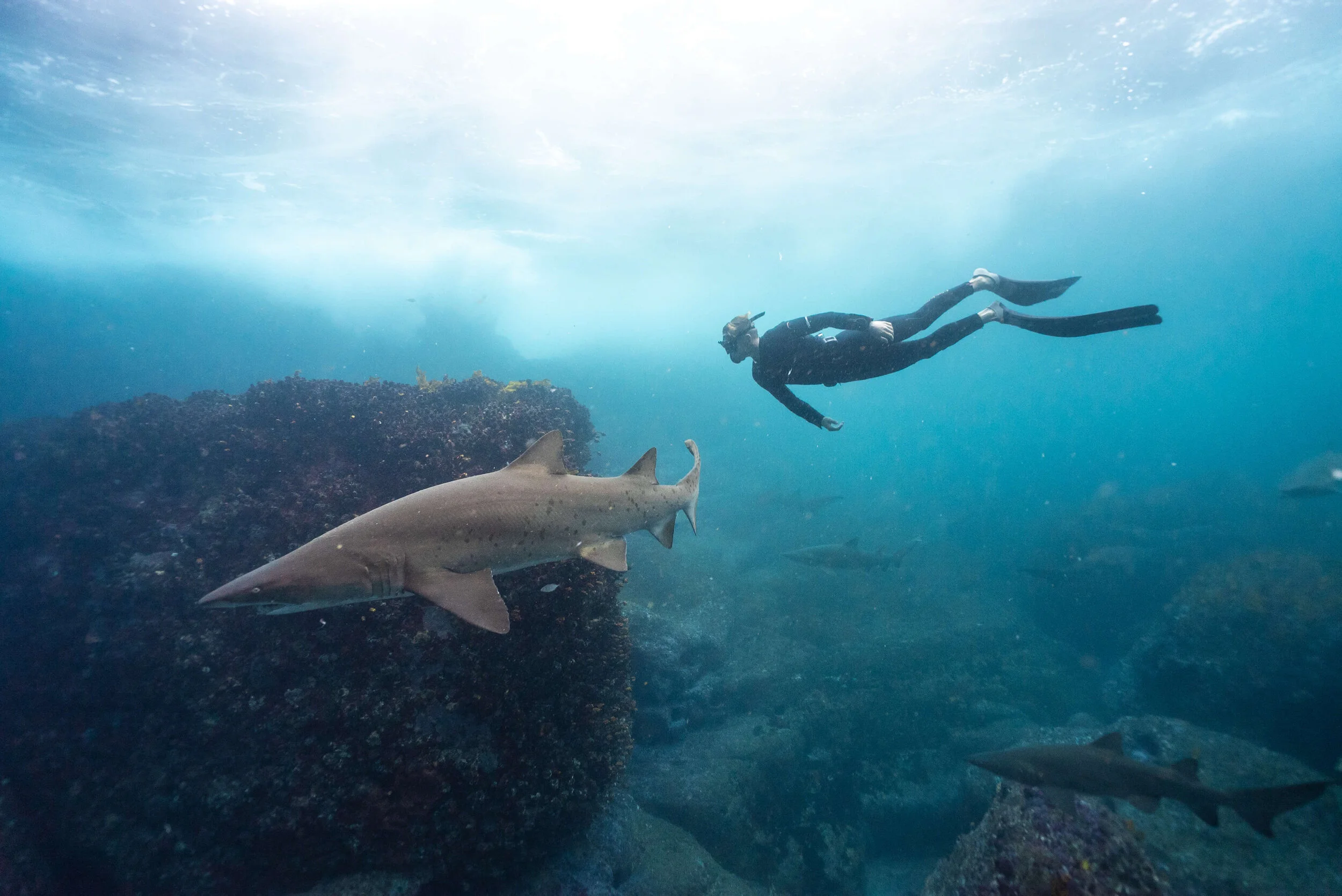
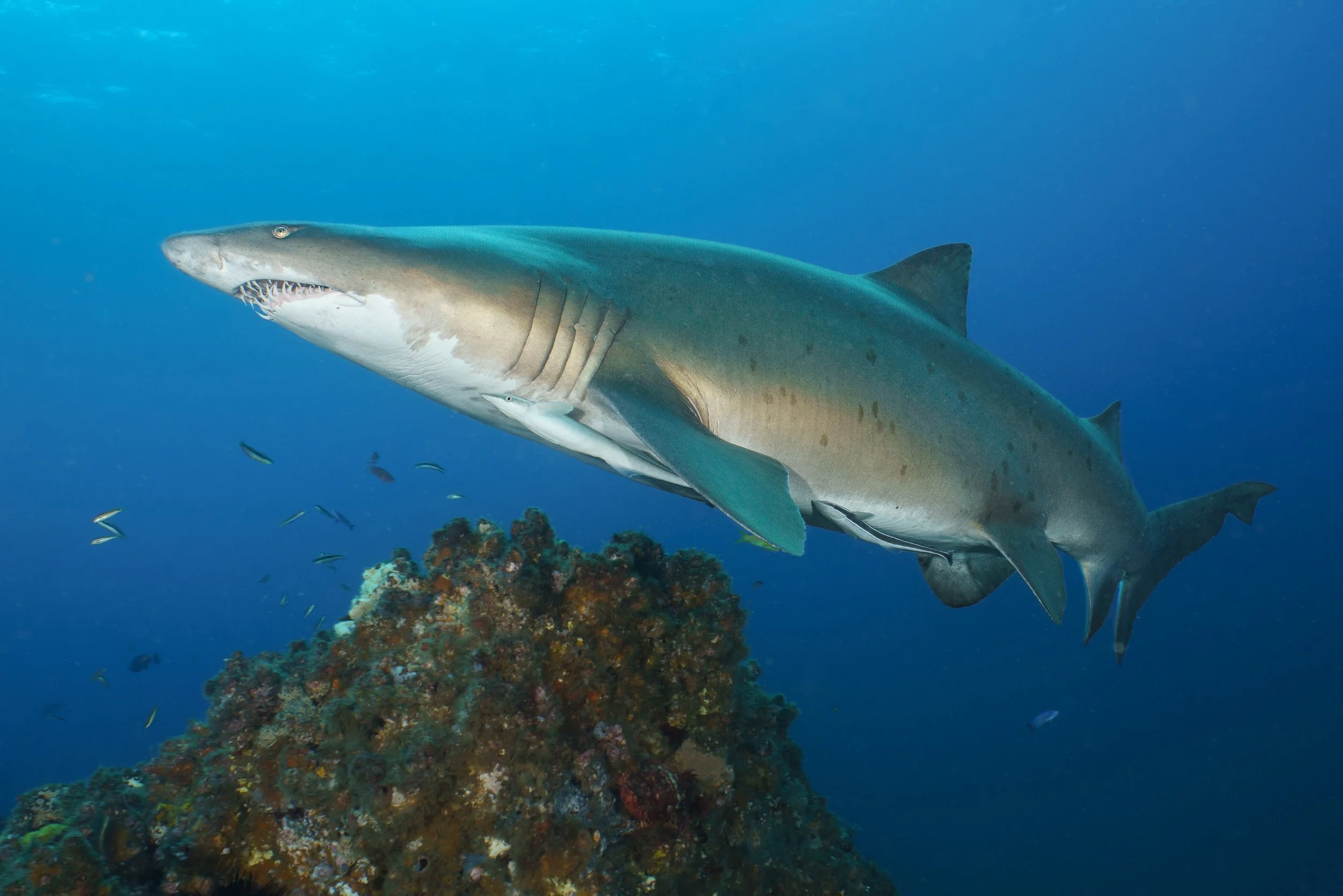
You roll backward into water that hovers near 22 degrees in late September, the visibility stretching 25 metres down the sloping boulder field. Within two minutes you encounter your first grey nurse shark, a two-metre female suspended motionless in the current, her ragged teeth visible as she breathes through open jaws. You maintain the three-metre buffer, finning parallel as she drifts toward deeper water. A school of yellowtail kingfish passes overhead, their silver flanks catching shafts of morning light that penetrate to 15 metres.
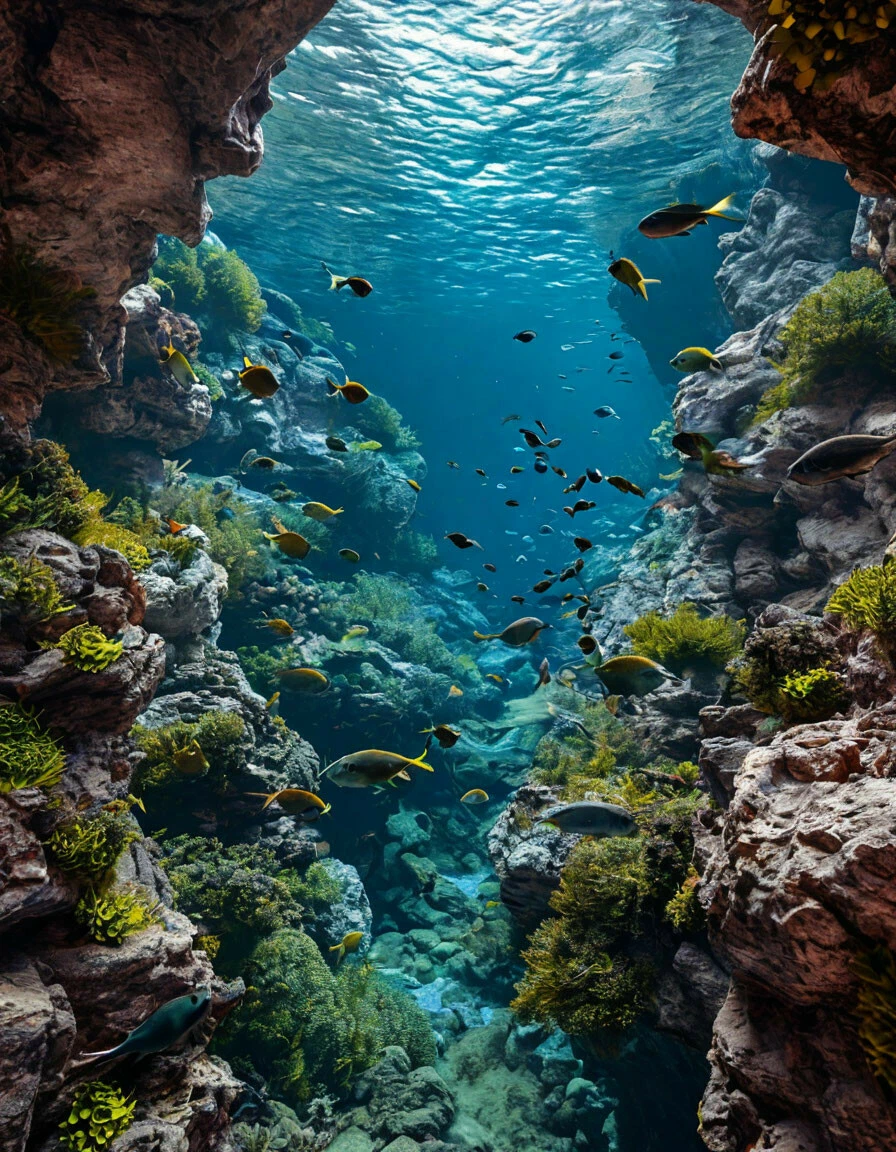
The guide leads you through the channel between the rocks, where a juvenile manta ray executes slow barrel rolls above a cleaning station, resident wrasse picking parasites from her white underside. You pause at the edge of The Pinnacle, where the bottom drops from 12 metres to 30 in a single shelf lined with soft coral and sea whips bending in the surge. A wobbegong rests under a ledge to your right, perfectly camouflaged until its eye tracks your movement. After 40 minutes the guide signals ascent, and you surface between the twin peaks with four more sharks circling below.
All the details about your upcoming adventure in one place
Snorkeling byron bay reveals one of Australia's premier underwater sites at Julian Rocks Nguthungulli Marine Reserve, where tropical and temperate currents converge 2.5 kilometers offshore. The reserve shelters leopard sharks, manta rays, loggerhead turtles, and schools of kingfish year-round, with grey nurse sharks visiting June through November. Snorkeling byron bay tours depart twice daily from Byron Bay harbor, providing wetsuits, masks, and guided reef navigation around this sacred Bundjalung site.
Julian Rocks rises 500 metres offshore from Byron Bay, a volcanic remnant split by a narrow channel that funnels nutrient-rich currents from both the Coral Sea and the Tasman.
The Arakwal people know the twin pinnacles as Nguthungulli, a creation ancestor who transformed into stone while fleeing inland, and the site remains sacred ground where fishing and anchoring are prohibited. Declared a marine reserve in 1982, the rocks shelter one of the highest concentrations of marine biodiversity along Australia's east coast, with over 500 recorded species inhabiting depths that range from shallow boulder fields to 60-metre walls.
Snorkeling Byron Bay operators launch from Main Beach or Tallow Beach between March and November, when southern migration corridors bring manta rays, humpback whales, and leopard sharks into the reserve's protected waters. The rocks' unique topography creates three distinct snorkeling zones: The Nursery, a shallow boulder field where wobbegong sharks rest under ledges; The Cod Hole, a mid-depth channel frequented by schools of kingfish and trevally; and The Pinnacle, where grey nurse sharks aggregate during winter months in numbers rarely seen elsewhere on the Australian coast. Water temperature fluctuates between 19°C in August and 26°C in February, with visibility ranging from 10 metres during plankton blooms to 30 metres on calm autumn mornings.
Snorkeling byron bay tours typically run for two to three hours, with operators providing wetsuits, masks, and fins as standard equipment. Morning departures between seven and nine offer the calmest conditions, as afternoon sea breezes from the northeast can reduce surface visibility and create choppy water around the rocks' exposed flanks. The reserve's dual-current system means marine life varies by season: tropical species like butterfly cod and nudibranchs arrive with warm southward flows from January through April, while temperate species including blue gropers and eastern blue devils dominate from June through September when cooler water pushes north. Access requires a chartered boat, as the reserve lies beyond safe swimming distance from shore and independent vessels cannot anchor within the protected zone.
Conservation protocols established in 2019 limit daily visitor numbers to 180 across all operators, with mandatory briefings on respectful wildlife observation and a three-metre minimum distance from resting sharks and rays. The rocks' cultural significance as Nguthungulli means certain dive sites rotate seasonally to minimize impact, and commercial photography permits are required for professional equipment. Recent marine surveys recorded 11 manta ray sightings per week during peak migration in May and June, with individual rays returning to the same cleaning stations year after year, identified by unique spot patterns photographed by researchers and recreational divers alike.
The rocks shelter over 500 species in waters where tropical and temperate currents converge.
Participants should wear swimwear under casual clothing and bring a towel. Wetsuits are typically provided by tour operators for snorkeling byron bay tour activities.
Keep belongings minimal as space on boats is limited. Use waterproof bags for electronics to protect them during your snorkeling byron bay tour.
Underwater photography is encouraged at Julian Rocks Nguthungulli Marine Reserve. Please ensure cameras are secured with a wrist strap or buoyancy aid.
Family-friendly tours are common, but children must meet specific age requirements (often 5–7 years) and be confident swimmers. Always confirm age policies for your snorkeling byron bay tickets.
Access to the reserve is only possible via boat, which requires the ability to board a vessel. Snorkeling byron bay requires basic swimming competency as you will be in open water.
Most operators do not provide meals, but water is essential. Please ensure all trash is kept off the boat to protect the marine reserve ecosystem.
Opening hours
00:00–23:59
Address
Julian Rocks Nguthungulli Nature Reserve, off the coast of Byron Bay, NSW 2481, Australia
Access
Requires a boat tour
Best arrival window
07:00–12:00
Official site
https://www.nationalparks.nsw.gov.au/visit-a-park/parks/nguthungulli-julian-rocks-nature-reserve
Operators typically require 24 to 48 hours notice for full refunds on snorkeling byron bay tours. Access to the marine reserve is free, but boat tour fees apply.
Recommended time
3-4 hours
A standard excursion for snorkeling byron bay typically lasts between three to four hours, covering boat transit and time in the water. Participants booking a snorkeling byron bay tour should anticipate spending about one hour actively observing the marine life, coral, and turtles at Julian Rocks Nguthungulli Nature Reserve. If you are arranging your snorkeling byron bay tickets, factor in extra time for equipment fitting and safety briefings at the departure point. Choosing a snorkeling byron bay tours operator that departs early often results in a smoother experience, as vessel traffic increases as the day progresses.
Crowd levels through the day
Position yourself near these jagged rock formations to capture schooling fish and leopard sharks against a backdrop of deep blue water. This is a primary site for snorkeling byron bay tours where vertical structures provide depth to your composition.
Visitors planning for snorkeling byron bay should dine at the nearby Byron Bay township, as there are no facilities at the marine reserve. Securing a meal before your snorkeling byron bay tours ensures you are energized for the water.
Known for hearty breakfast bowls and high-quality coffee, this local favorite is perfect for a pre-trip meal. It gets busy on weekends, so arrive early if booking snorkeling byron bay tickets.
This bustling spot serves fresh, locally sourced breakfast dishes that cater well to morning schedules. It is a reliable choice for refueling after your snorkeling byron bay tour.
A relaxed venue ideal for grabbing a quick bite or takeaway lunch near the coast. Their burgers and cold drinks provide a casual post-activity option.
Real experiences from real travelers
We went snorkeling byron bay in mid-August and the visibility was exceptional. Grey nurse sharks swam within meters of us near the rock walls. Water temperature was comfortable in a 3mm wetsuit. Our guide knew exactly where to position the group for best wildlife encounters.
Booked the 7am departure to avoid afternoon winds. The marine reserve around Julian Rocks delivered on every front—turtles, rays, and at least six nurse sharks during our 90-minute session. Crew provided all gear and gave thorough briefing before entry.
The biodiversity at this site is remarkable. We saw wobbegong sharks resting under ledges, massive schools of trevally, and a leopard shark cruising the sand channels. Water was 20°C and visibility extended past 20 meters. Highly capable operators.
Snorkeling byron bay tours bring multiple boats to Julian Rocks simultaneously. Wildlife sightings were solid—several grey nurse sharks and a manta ray—but I counted four other groups in the water at the same time. Earlier departures might offer more space.
Julian Rocks Nguthungulli Marine Reserve sits 2.5km offshore in a protected zone that attracts pelagic species year-round. We encountered a pod of dolphins on the boat ride out. The rock formations create channels and swim-throughs teeming with fish. Guides were knowledgeable about the Arakwal cultural significance of the site.
Late winter provided crystal-clear conditions for our Byron Bay snorkeling experience. The volcanic rock structure creates distinct zones—shallow reefs at 4-6 meters and deeper walls dropping to 15 meters. Saw two green sea turtles foraging on algae. Wetsuit rental included in tour price.
Grey nurse sharks aggregate at Julian Rocks between April and November. We spotted nine individuals on a single dive, most between 2-3 meters long. They showed no interest in snorkelers and continued their slow patrol along the eastern wall. Water was calm with light current.
Booked a snorkeling byron bay ticket for mid-July and conditions were optimal. Visibility exceeded 25 meters, allowing views of the entire rock formation from surface. Guide identified over 30 fish species during the briefing. Manta ray sighting at the cleaning station was the highlight.
The protected status of Nguthungulli shows in the fish populations—huge schools of kingfish, resident wobbegongs, and confident turtles that approached within arm's reach. Operators follow strict protocols to minimize reef impact. Three-hour tour included two separate snorkel sessions at different sites around the rocks.
Fourth time visiting Julian Rocks and it remains the premier snorkeling destination on Australia's east coast. September brings warmer water and increased turtle activity. Saw loggerhead and green turtles on the same outing. Boat crew managed group size well and provided hot tea between sessions.
Everything you need to know for your journey
Julian Rocks Nguthungulli Marine Reserve is open 00:00–23:59, though boat access depends on scheduled tours.
Entrance to the reserve is 0 AUD; however, you must book a boat tour to access the site.
The best time for snorkeling byron bay is the morning window of 07:00–12:00 for optimal visibility.
Yes, it is highly recommended to book snorkeling byron bay tickets in advance as tours fill up quickly.
All participants must be able to swim unassisted, as the water is too deep to stand.
You may see sea turtles, leopard sharks, wobbegong sharks, manta rays, and grey nurse sharks at Julian Rocks Nguthungulli Marine Reserve.
Yes, but most operators provide professional-grade masks, fins, and wetsuits for your snorkeling byron bay tour.
Most operators require participants to be at least 5 to 7 years old to join a snorkeling byron bay tour.
We recommend a best arrival window of 07:00–12:00 for calmer water conditions at the reserve.
Yes, you can easily combine your trip with visits to Cape Byron Lighthouse or local Byron Bay beaches.
Join thousands of happy travelers who have discovered this incredible experience
Book Your Experience Now