English| EUR
Suggested for you
More currencies
Book Now
Open today · 00:00–23:59

Snorkeling Byron Bay Julian Rocks

Snorkeling Byron Bay Julian Rocks — Marine Reserve Adventures

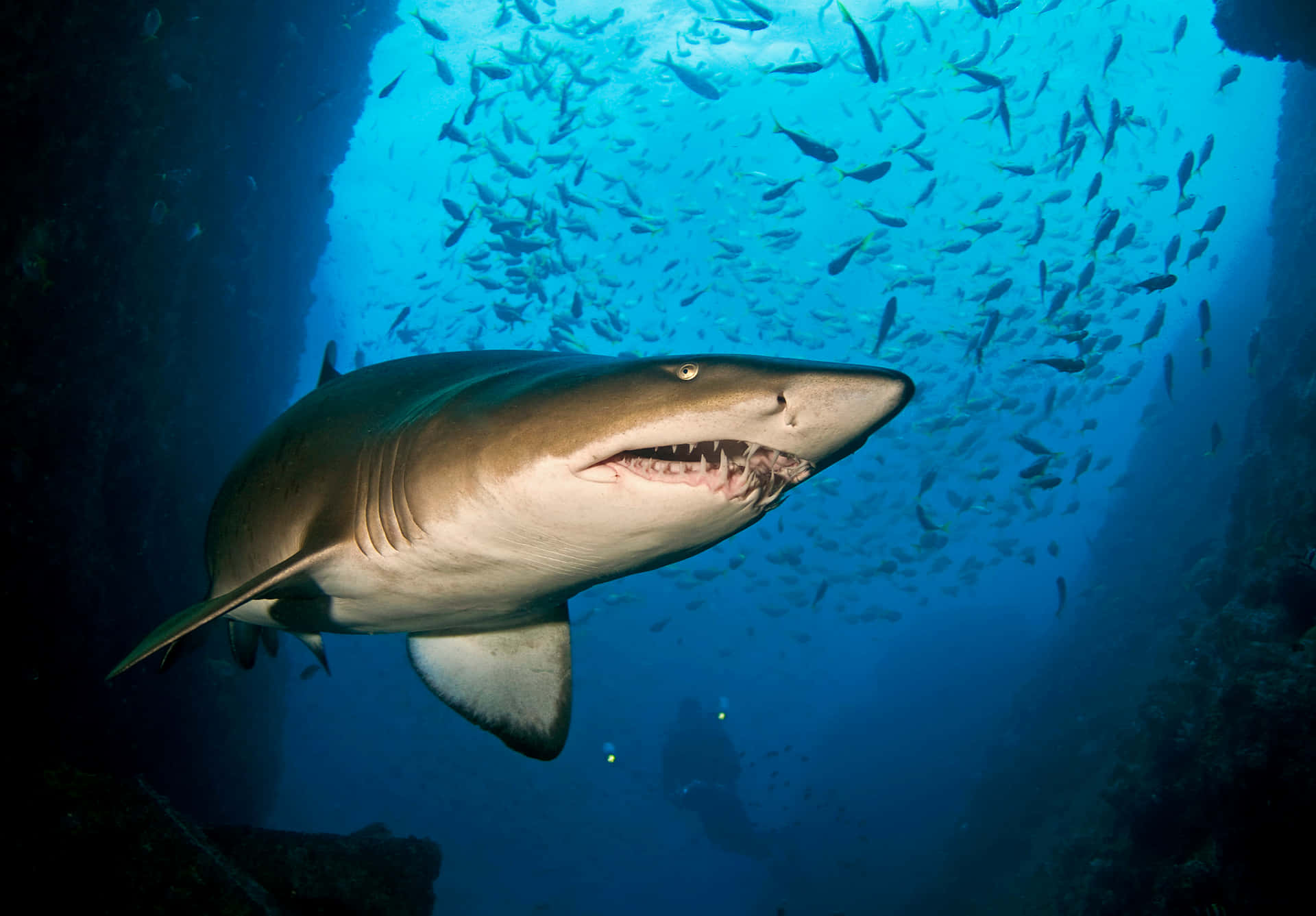
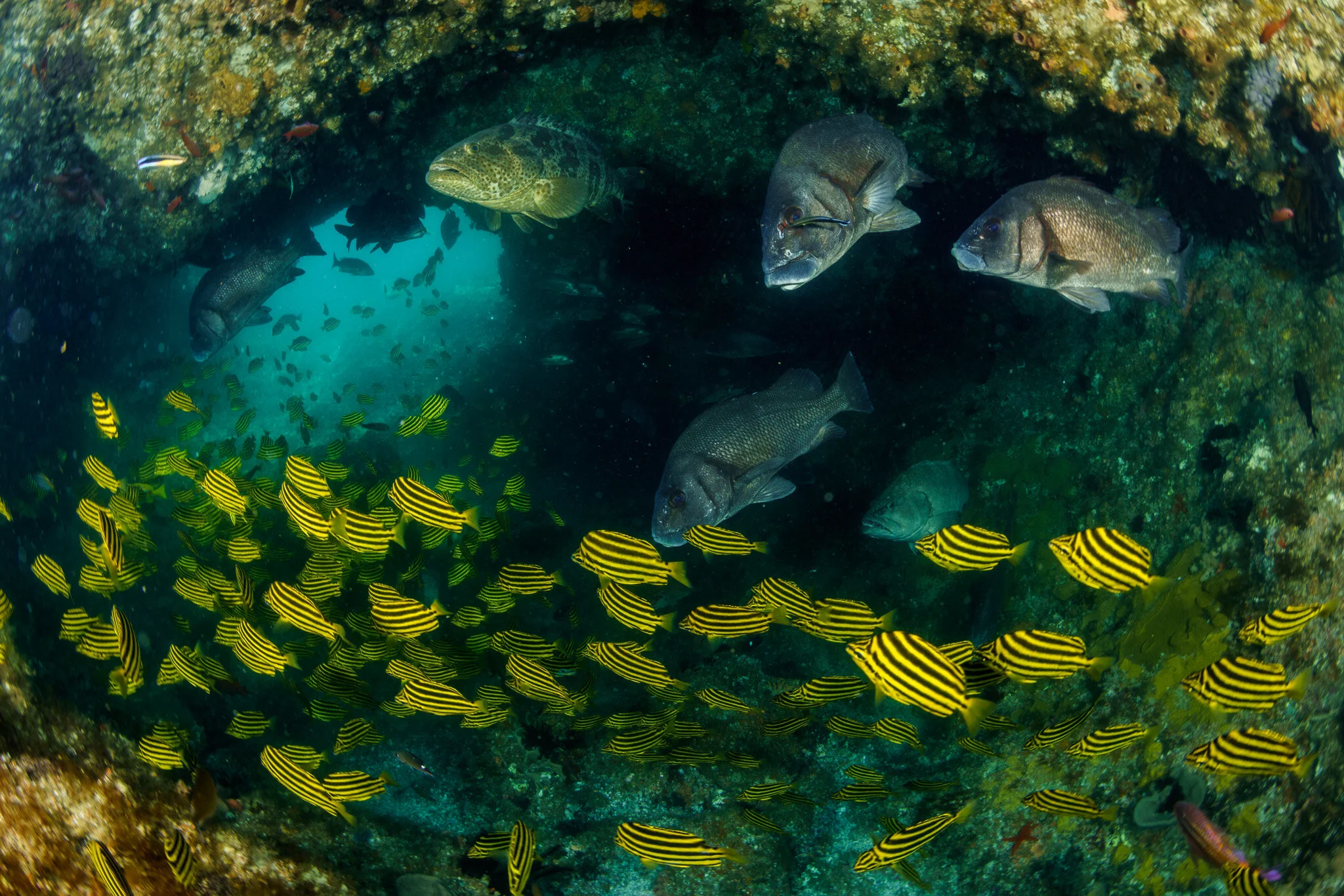
Where two ocean currents meet, tropical fish and grey nurse sharks patrol volcanic spires

50K+ travelers chose this
Free Cancellation
Right now: Moderate — spring shoulder season Check local marine weather forecasts before booking your snorkeling byron bay julian rocks excursion.
Free Cancellation
Free cancellation Instant confirmation Mobile voucher Verified partner Skip-the-line
1000+
Marine species
Incredible biodiversity recorded
530+
Fish species
Tropical and temperate varieties
80 ha
Reserve size
Protected aquatic sanctuary
2.5 km
Offshore distance
Short boat trip away
Choose your ticket

Snorkeling Byron Bay Julian Rocks tickets at a glance

Compare fares, pick the fit — all bookings are mobile-voucher and eligible for free cancellation where shown.

Nguthungulli Julian Rocks Snorkeling Adventure 3 hr
Standard Entry

Nguthungulli Julian Rocks Snorkeling Adventure

4.7 (138)
€79
  • Entry ticket
  • Mobile voucher
  • Valid same day
  • Free cancellation
Book this ticket
Byron Bay Whale Watching with Marine Biologist 2 hr 30 min
Standard Entry

Byron Bay Whale Watching with Marine Biologist

4.8 (347)
€79
  • Entry ticket
  • Mobile voucher
  • Valid same day
  • Free cancellation
Book this ticket
Compare options

Compare Snorkeling Byron Bay Julian Rocks ticket options

Experience DurationRatingGuideSmall groupFree cancel. Price
Standard Entry
Most popular
Julian Rocks Snorkelling Adventure
2 hr 30 min★ 4.5—✓✓ €86 Book →
Standard Entry
Nguthungulli Julian Rocks Snorkeling Adventure
3 hr★ 4.7——✓ €79 Book →
Standard Entry
Byron Bay Whale Watching with Marine Biologist
2 hr 30 min★ 4.8✓✓✓ €79 Book →

Is Snorkeling Byron Bay Julian Rocks worth it?

Worth it for marine life enthusiasts

Snorkeling byron bay julian rocks delivers genuine value through one of Australia's most biodiverse marine sites, positioned 2.5km offshore where three ocean currents converge. Tour operators run daily departures with all gear included, typically priced between $90-120 AUD for 3-4 hour experiences that include double reef visits and marine biologist guidance. The reserve protects over 500 species including grey nurse sharks, manta rays, leopard sharks, and seasonal humpback whales during their June-October migration. Water visibility consistently reaches 15-30 meters during morning sessions, and the volcanic rock formations create natural swim-throughs at manageable 5-15 meter depths. Marine reserve status means zero fishing pressure and habituated wildlife that approach within arm's reach. The Julian Rocks snorkelling tours provide professional safety briefings and wetsuit hire as standard, making this accessible for confident swimmers without prior snorkeling experience.

What makes it worth it

  • 500+ species including grey nurse sharks year-round
  • 15-30m visibility during morning departures
  • Three ocean currents create exceptional biodiversity
  • Protected marine reserve with habituated wildlife
  • Accessible depths suitable for beginner snorkelers

Keep in mind

  • Weather-dependent cancellations common in winter months
  • 20-minute boat ride can be rough
  • No guarantee of specific species sightings
  • Requires moderate swimming fitness

Bottom line: The Nguthungulli marine reserve justifies the investment for anyone seeking Australia's premier temperate snorkeling experience with legitimate shark and ray encounters.

Head to head

Snorkeling Byron Bay Julian Rocks vs. Cape Byron Kayaking: Which Marine Adventure Should You Choose?

They complement each other; most visitors who do both call snorkeling byron bay julian rocks the more immersive experience, whereas the kayaking tour offers a superior perspective of the coastline and surface-level wildlife.

Top pick
Julian Rocks Snorkeling
Cape Byron Kayaking
Primary vantage point Ocean surface and coastal cliffs
In-water immersion level Minimal to none
Typical marine life sightings Dolphins and migratory whales
Activity intensity High cardiovascular exertion
Physical requirements Basic paddling fitness required
Booking requirements Cape Byron Sea Kayaking Adventure tickets

Verdict: Choose the snorkeling byron bay julian rocks tour for direct encounters with reef species, or select the kayaking adventure if you prefer wildlife spotting from the vantage of the open sea.

Featured Experiences

Popular Snorkeling Byron Bay Julian Rocks tours & activities

Hand-picked experiences loved by thousands of travelers

Recommended Experience

Powered by GetYourGuide

Another traveler favorite

Powered by GetYourGuide
Byron Bay Sea Kayaking Adventure 2 hours 30 minutes Free Cancellation

Byron Bay Sea Kayaking Adventure

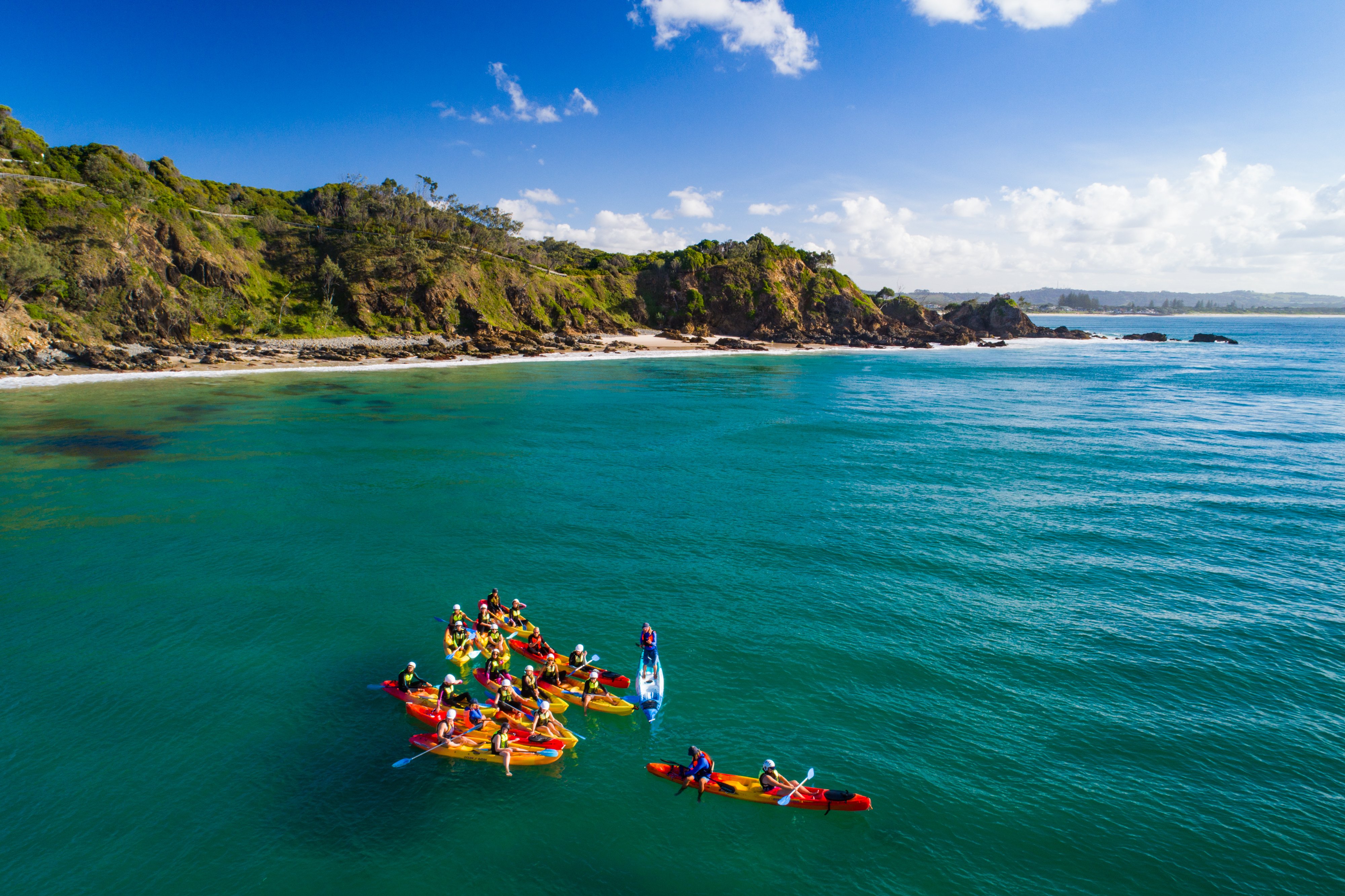
Paddle through a marine reserve, spot dolphins and turtles, and catch waves along Australia's stunning east coast.

4.6 (1403)
FromFrom €60.99
See details
Byron Bay Small Group Surf Lesson 2 hours Free Cancellation

Byron Bay Small Group Surf Lesson

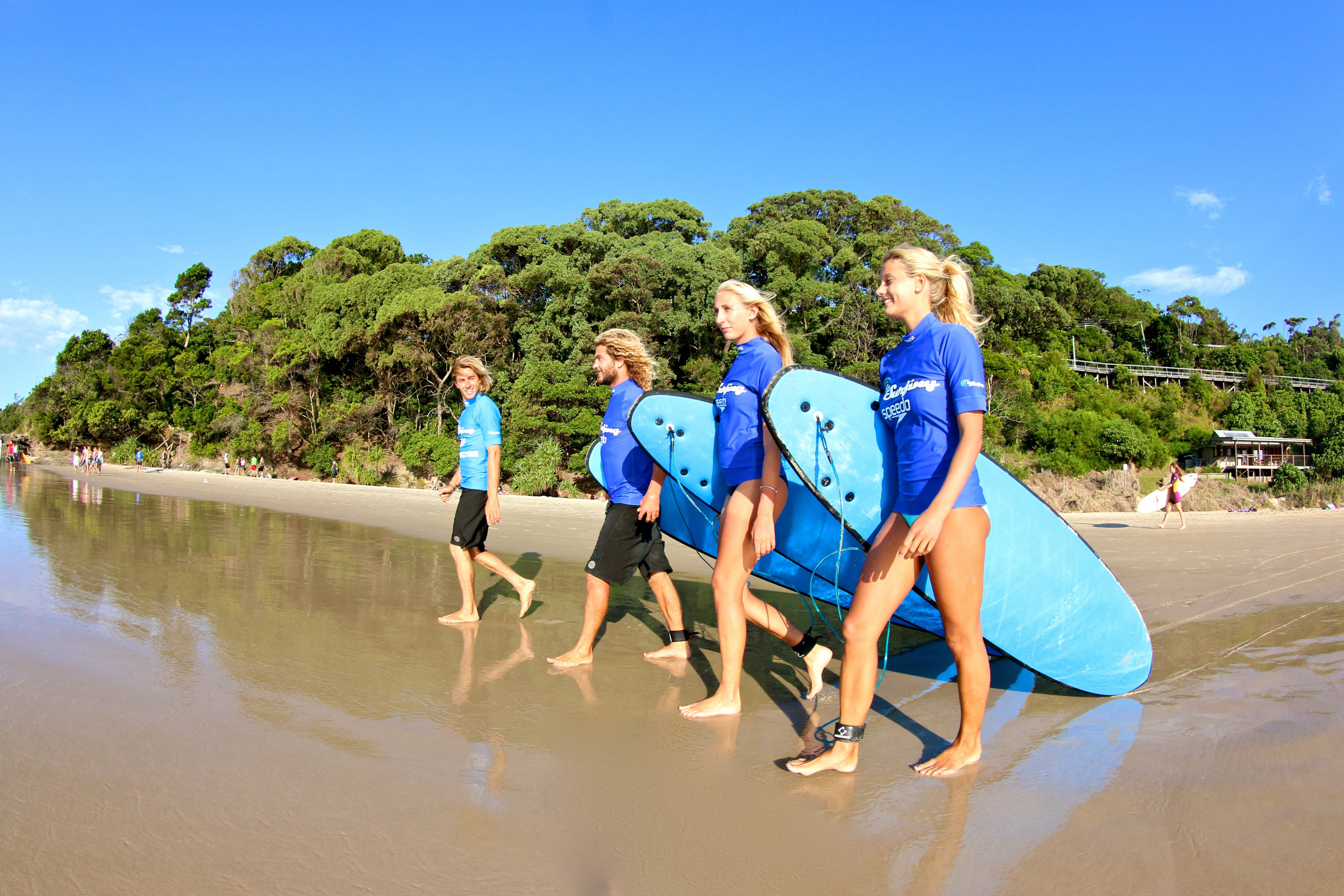
Master your first waves in a 2-hour beginner-friendly session with expert instructors in Byron's iconic surf.

4.9 (799)
FromFrom €54.83
See details
Behind The Bay: Waterfalls & Hidden Gems Tour 6 hours Free Cancellation

Behind The Bay: Waterfalls & Hidden Gems Tour

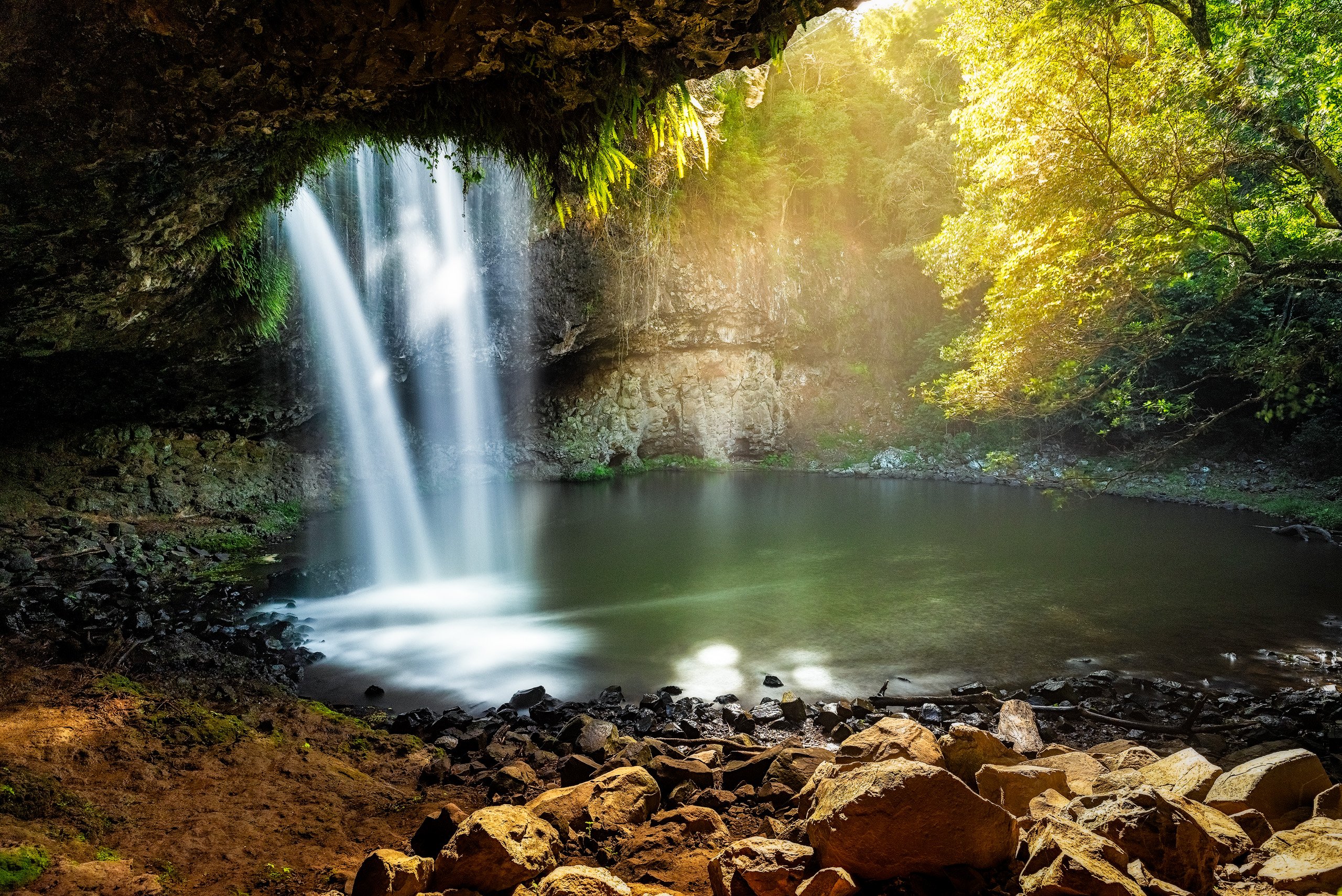
Discover secret waterfalls, coastal villages, and healing lake waters on a guided hinterland adventure

4.8 (482)
FromFrom €79.47
See details
Byron Bay Hinterland: Glowworms, Waterfalls & Rainforest 5 hours 30 minutes Free Cancellation

Byron Bay Hinterland: Glowworms, Waterfalls & Rainforest

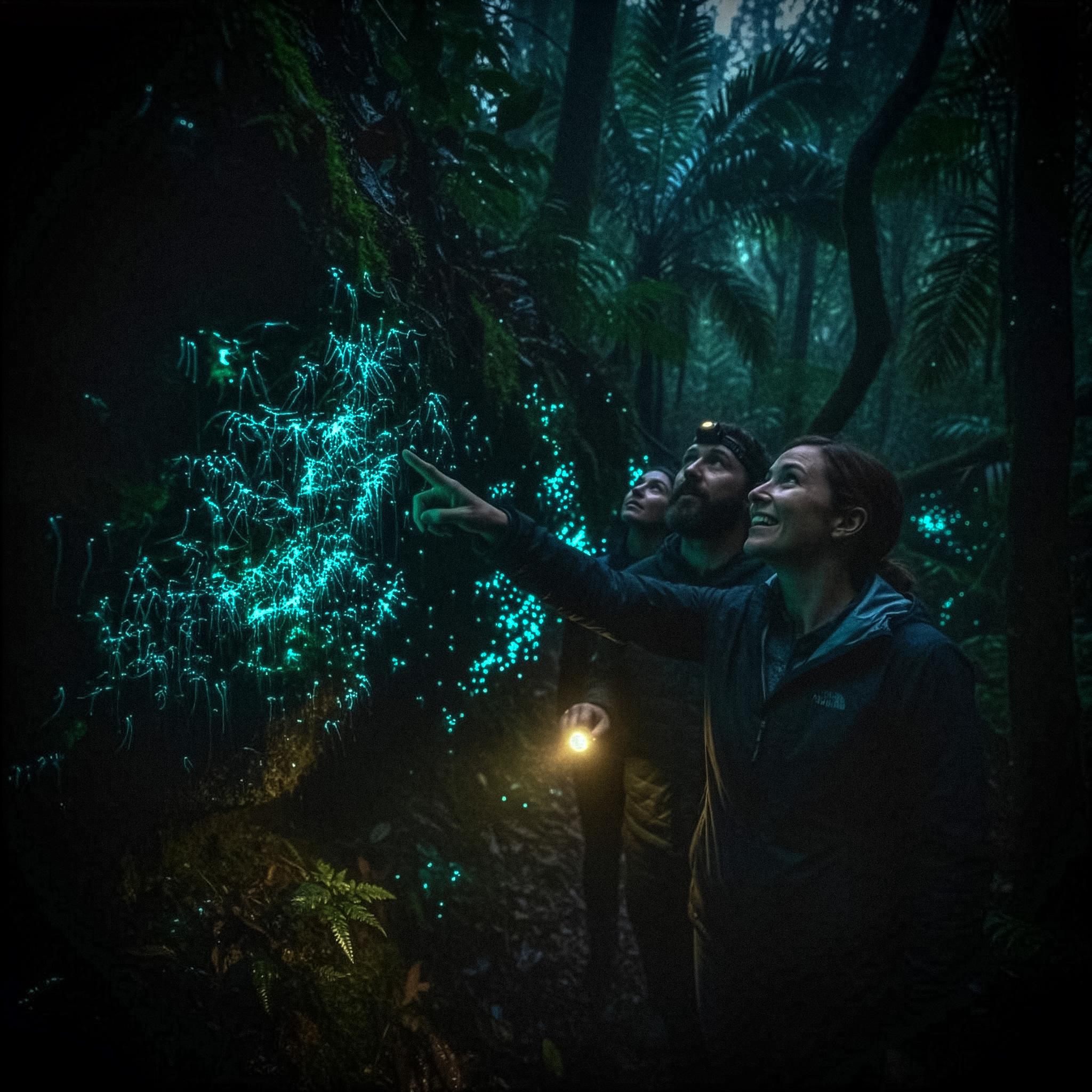
Journey into ancient forests, witness glowing wildlife, and enjoy epic lookouts with organic dinner included

4.8 (572)
FromFrom €85.63
See details
Byron Bay Sunrise Hot Air Balloon with Gourmet Breakfast 4 hours 30 minutes Free Cancellation

Byron Bay Sunrise Hot Air Balloon with Gourmet Breakfast

Float above Byron Bay's coast at dawn, then feast at the acclaimed Three Blue Ducks restaurant

4.7 (64)
FromFrom €227.31
See details
Brunswick River Luxury Brunch Cruise 2 hours Free Cancellation

Brunswick River Luxury Brunch Cruise

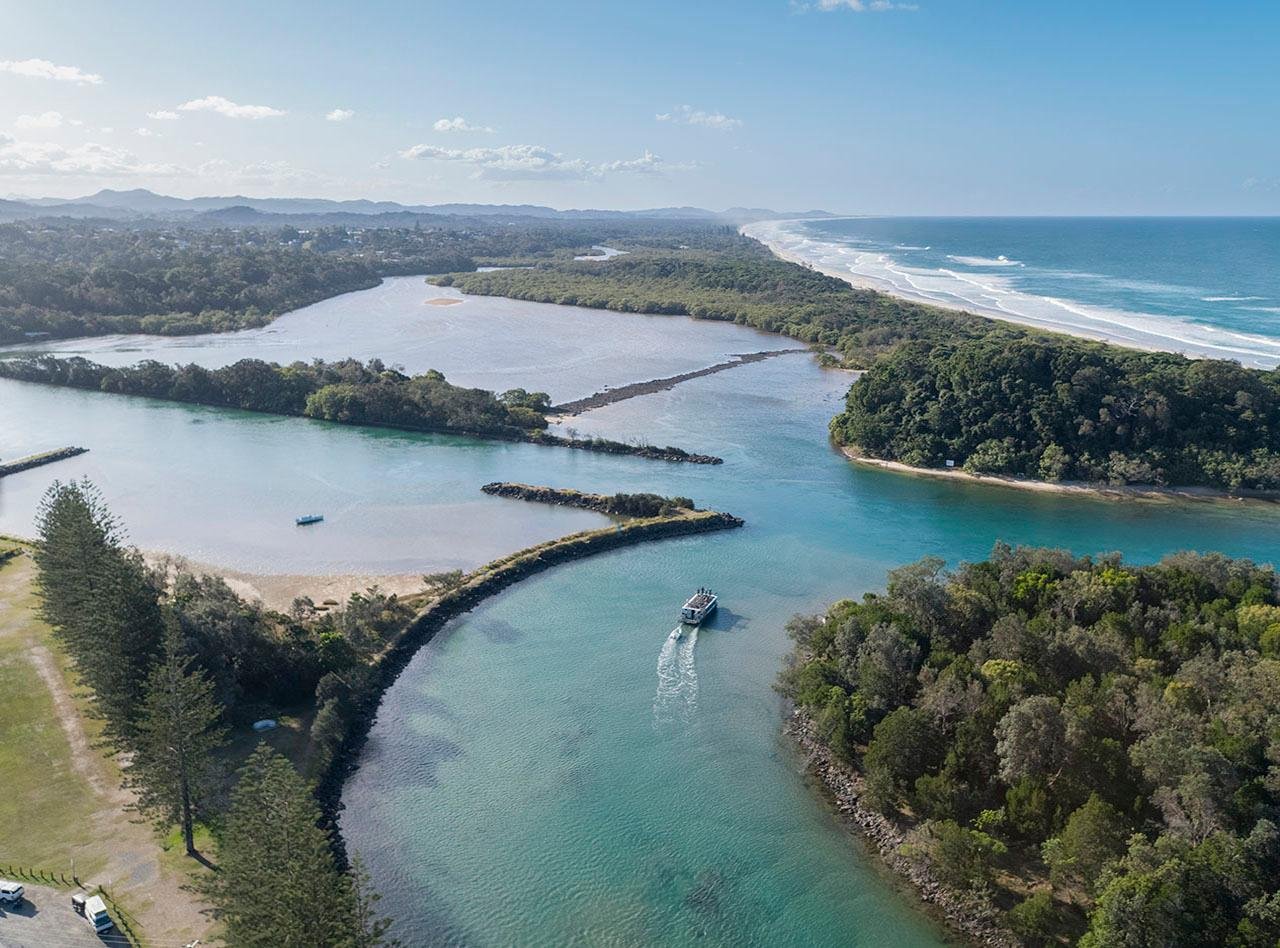
Morning cruise with locally sourced buffet breakfast and wildlife spotting on a Mediterranean-style vessel

FromFrom €79.47
See details
What you'll see

What you'll see at Snorkeling Byron Bay Julian Rocks

The Trench

The Trench

Deep gully known for grey nurse shark sightings during winter months.

The Needles

The Needles

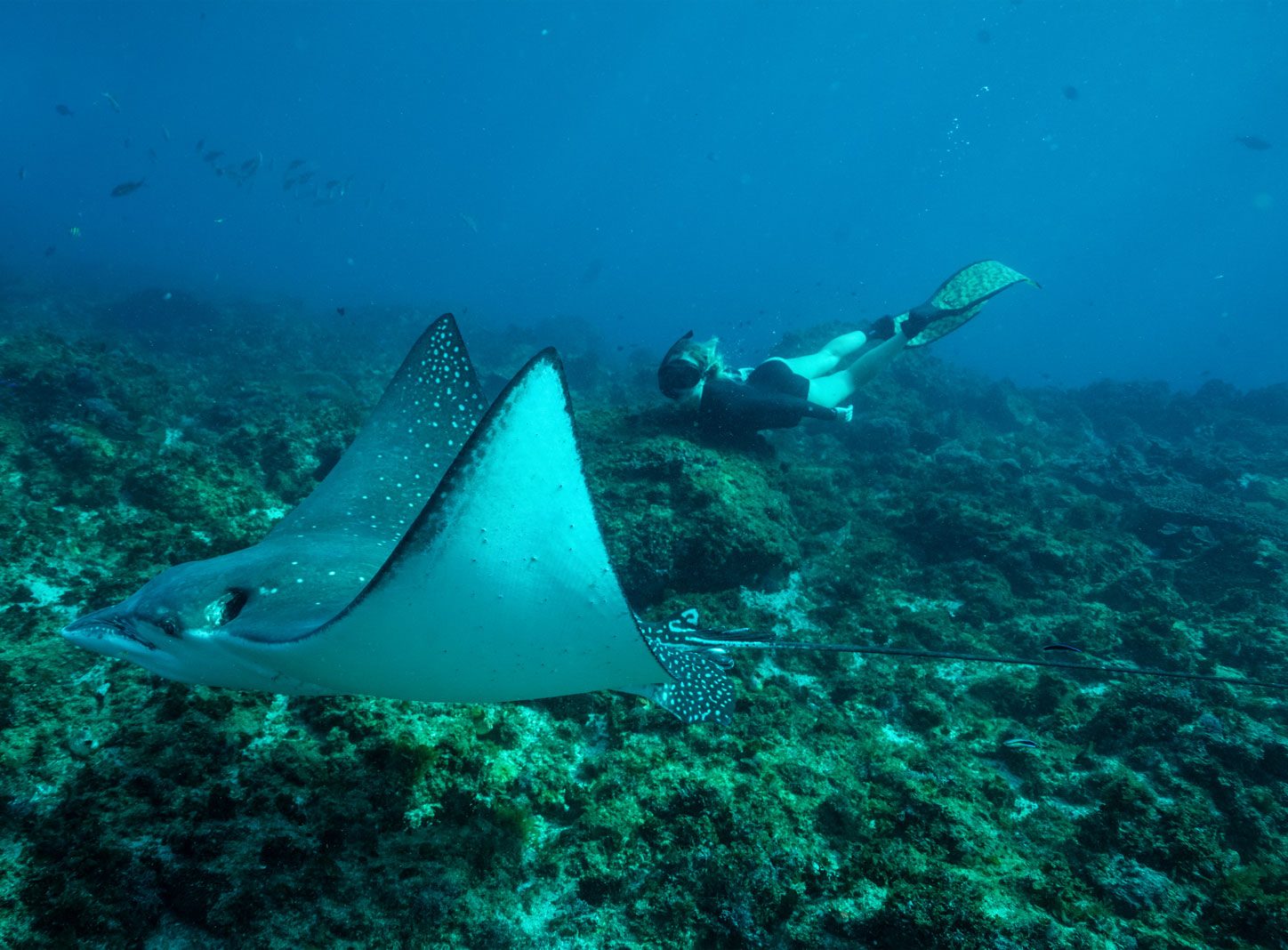
Famous pinnacle structure attracting manta rays and diverse reef fish.

Turtle Haven

Turtle Haven

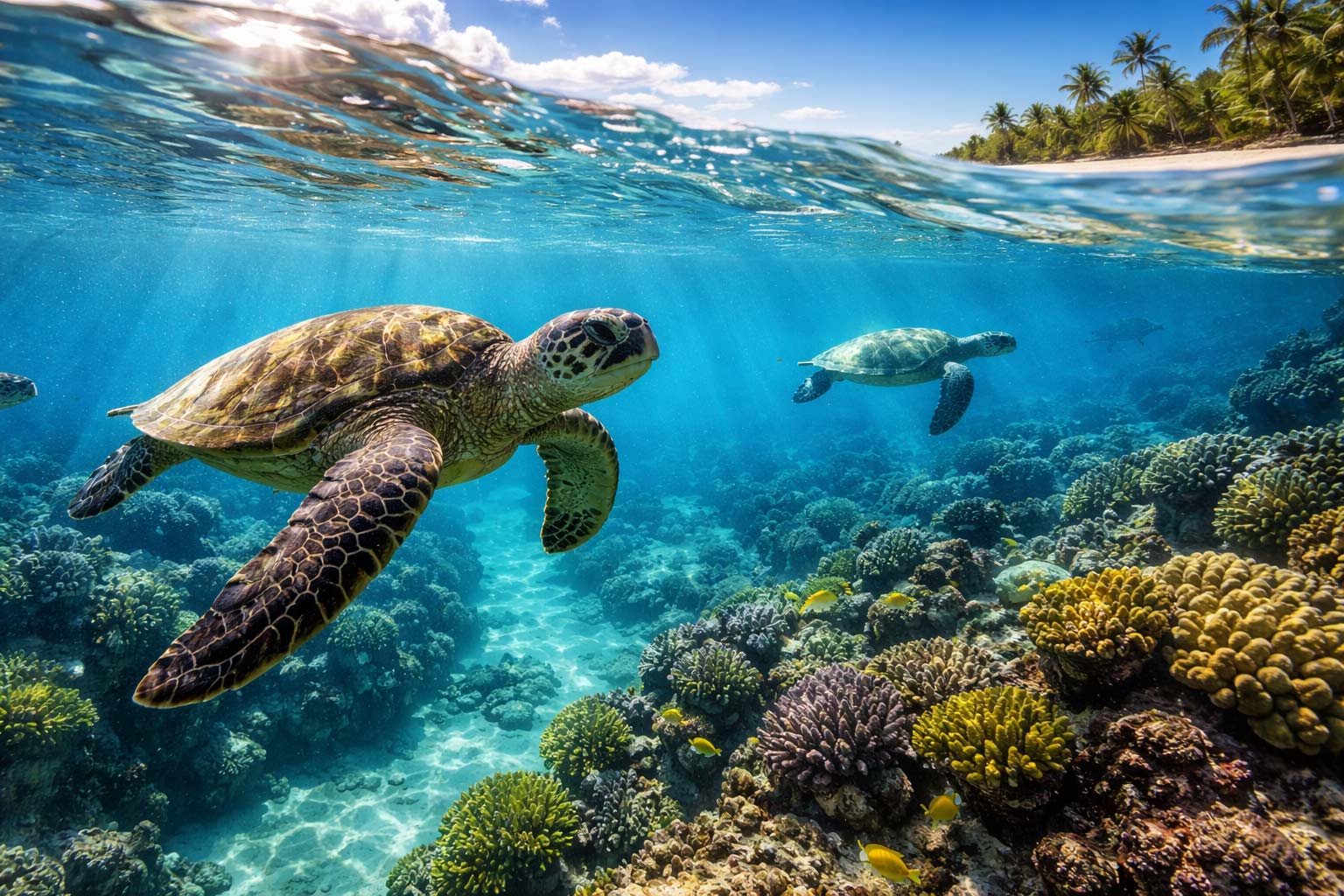
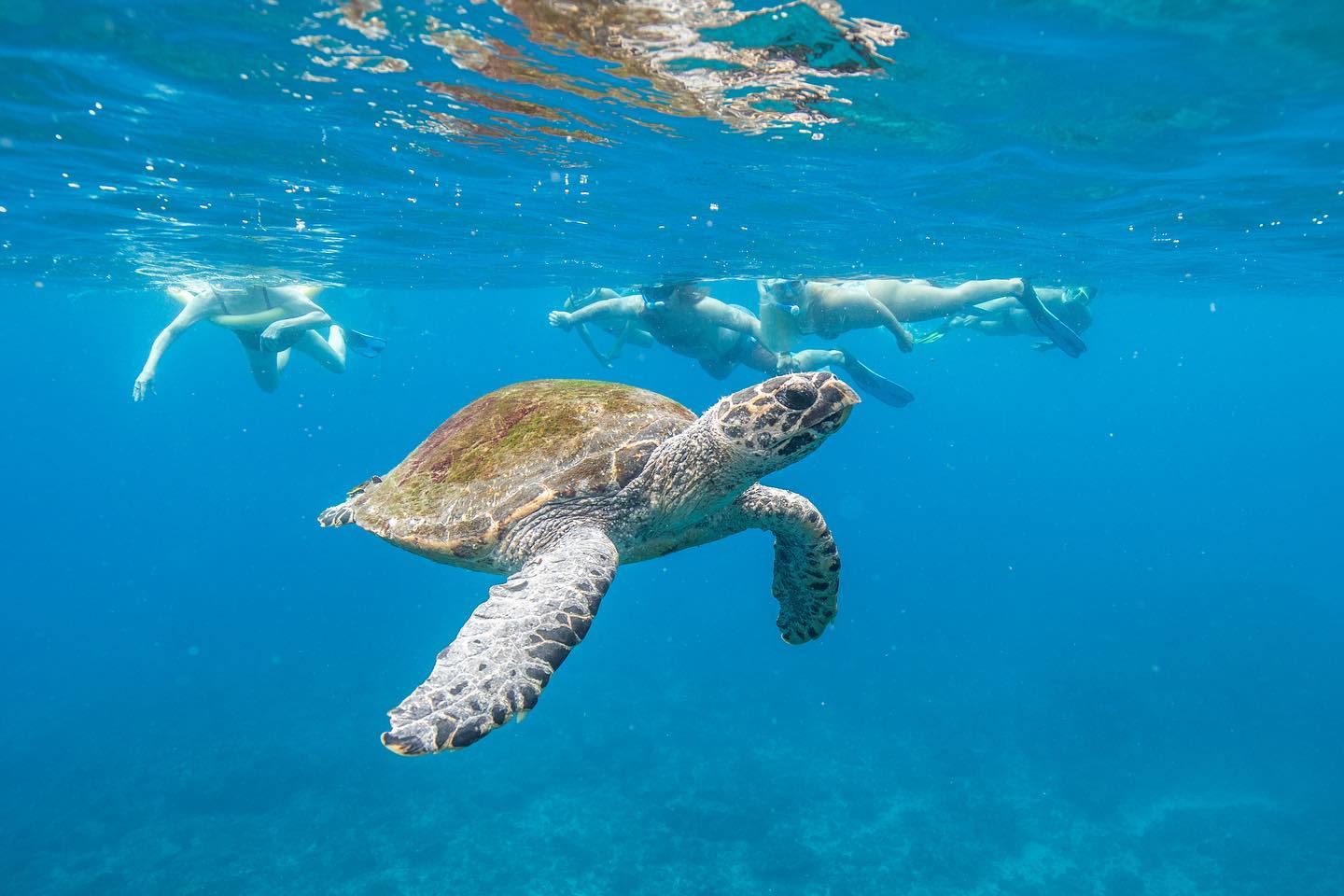
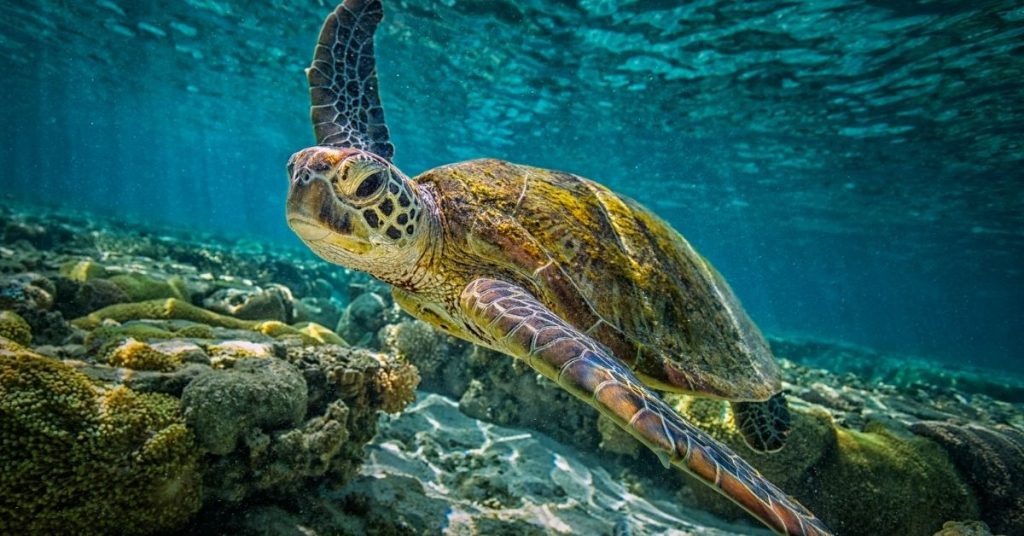
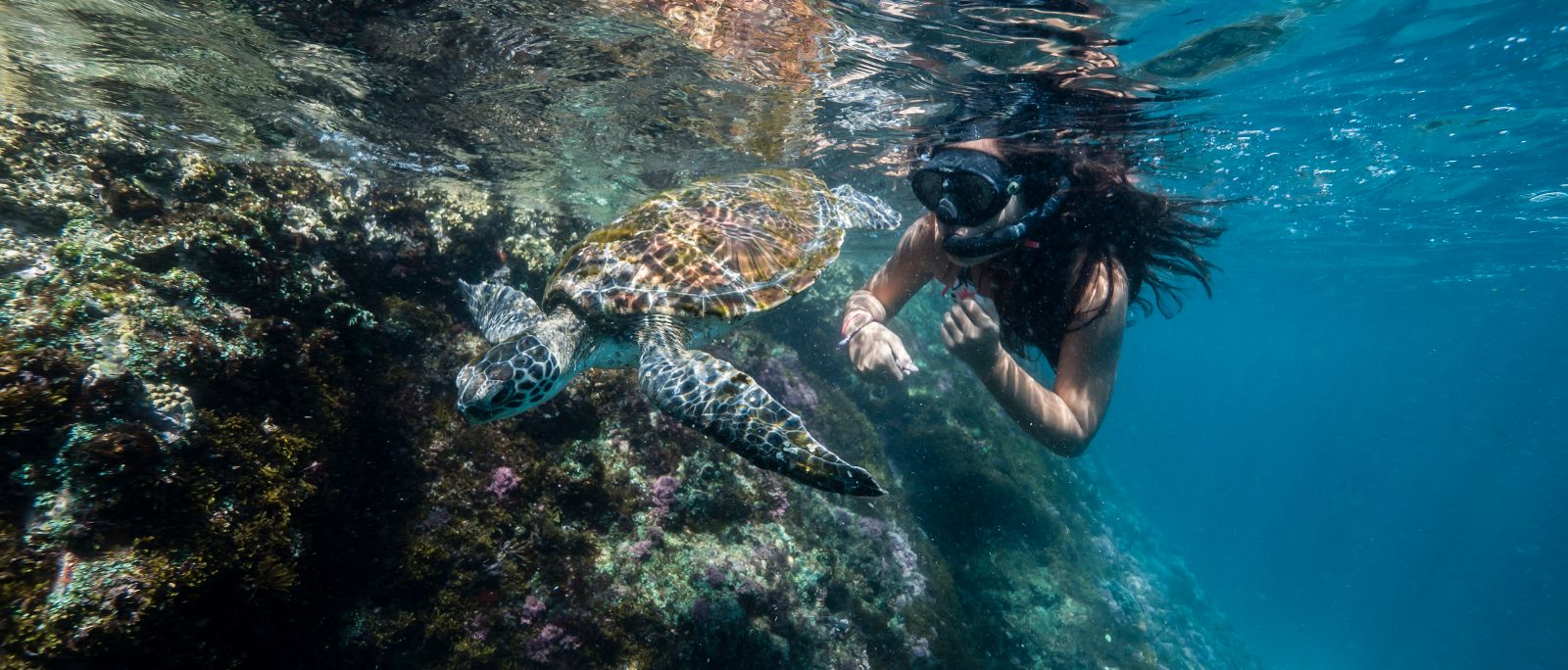
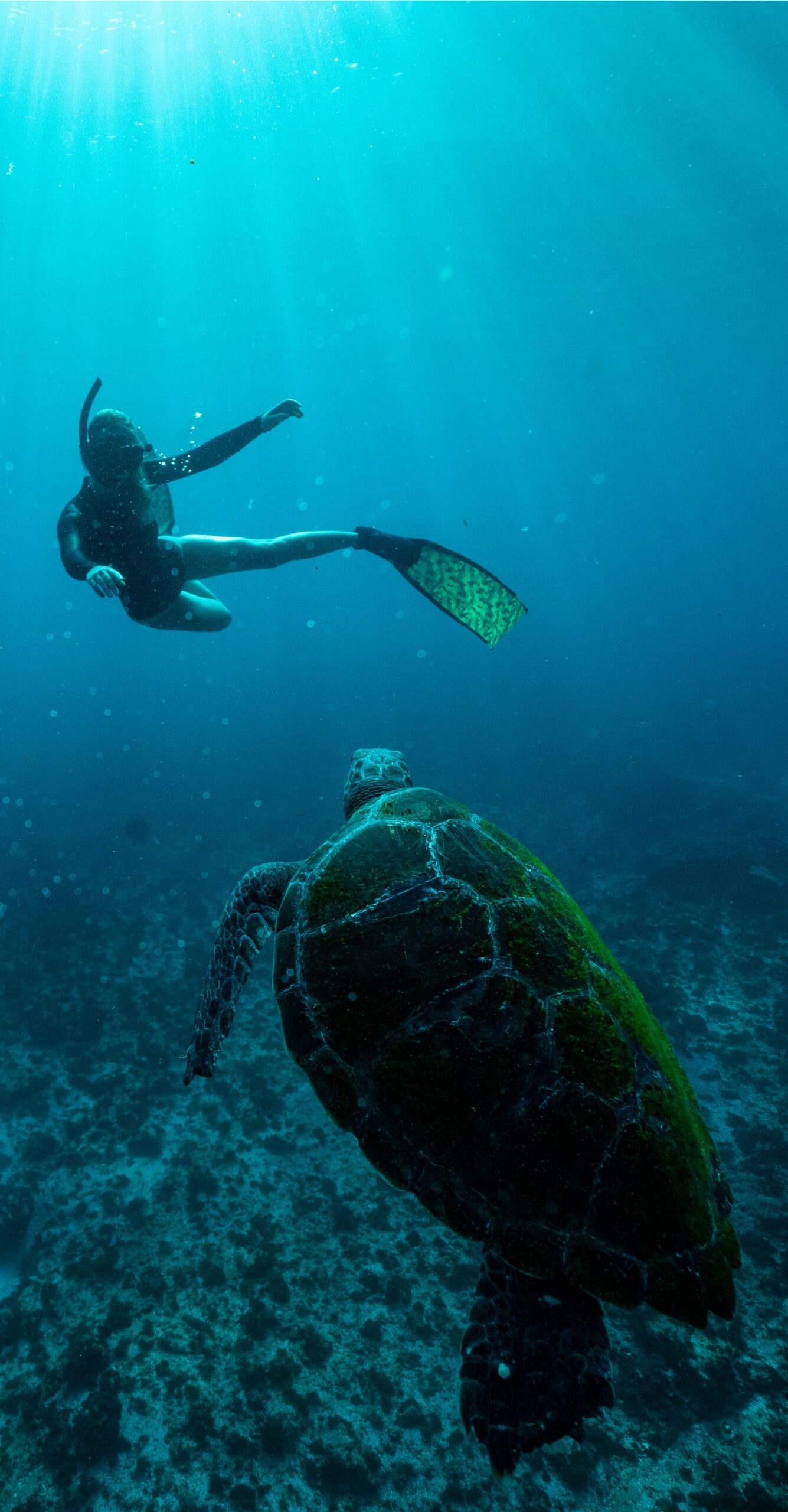
Shallow sandy patches where green and hawksbill turtles frequently rest.

Coral Gutter

Coral Gutter

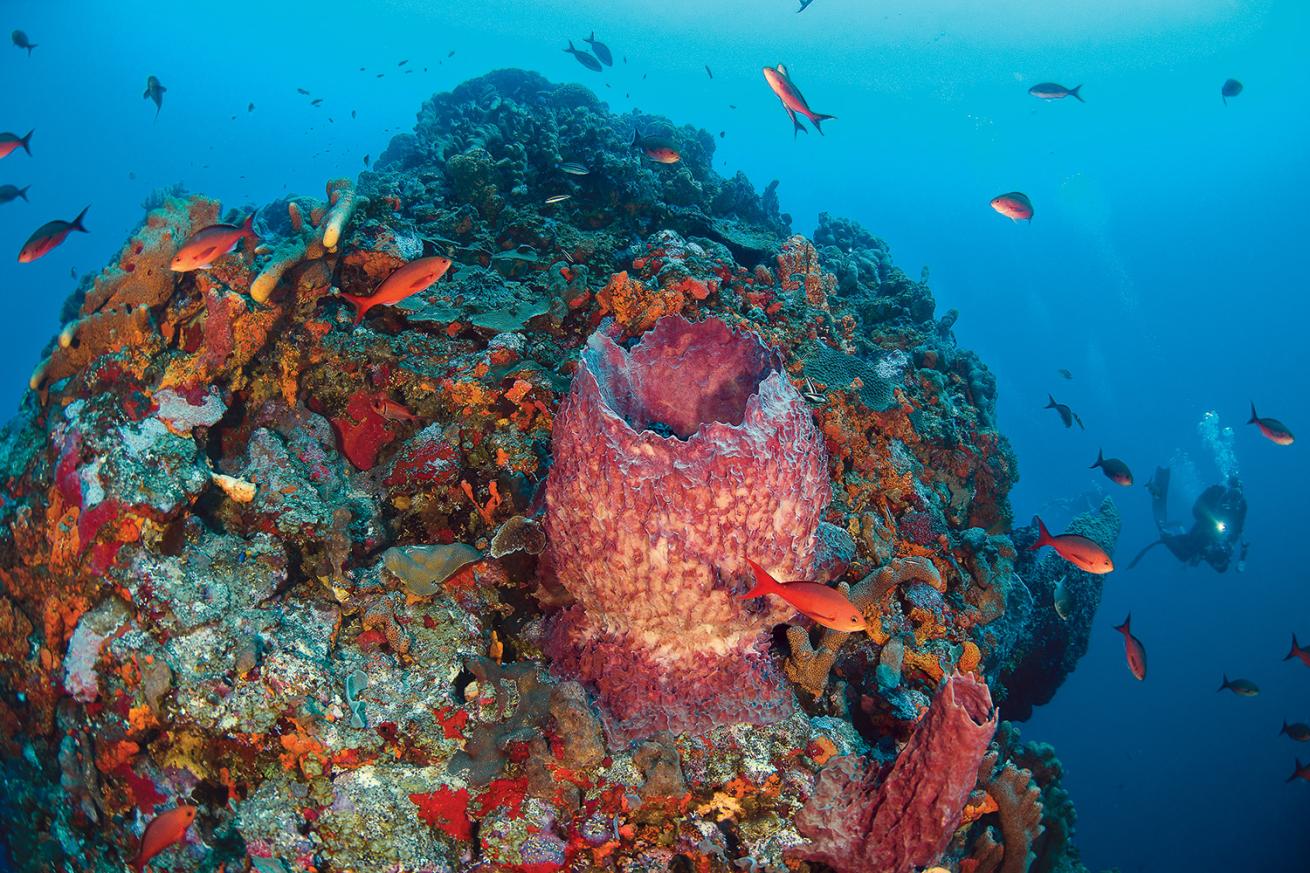
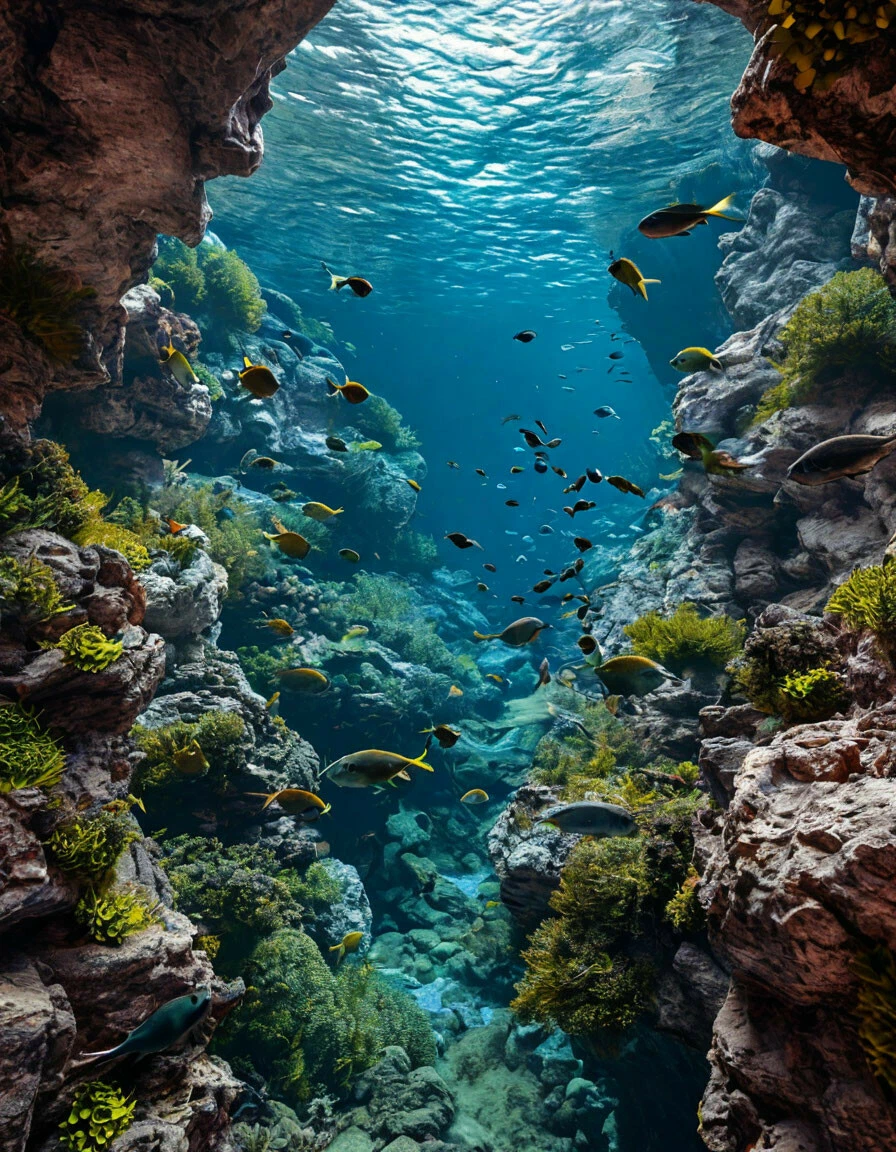
Vibrant area featuring dense populations of hard and soft corals.

The Nursery

The Nursery

Protected shallow waters ideal for observing juvenile fish species.

The experience

What visiting Snorkeling Byron Bay Julian Rocks is really like

You board at Byron Bay's main beach at 7:00 AM, the catamaran cutting across the bay as Julian Rocks grows from a dark smudge into twin volcanic peaks. The captain briefs you on hand signals and entry protocols while the crew distributes wetsuits and masks.

Read more Show less

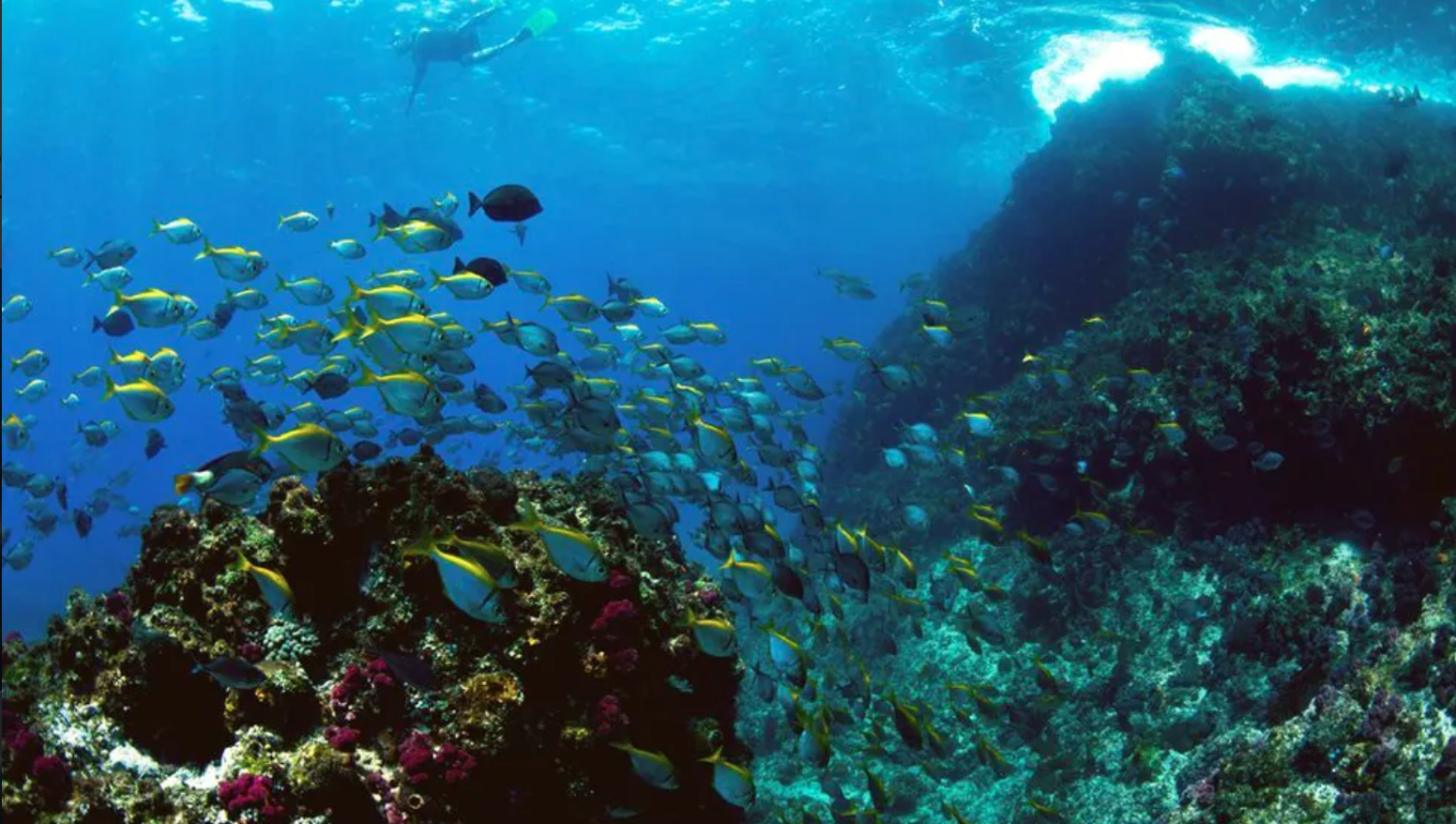
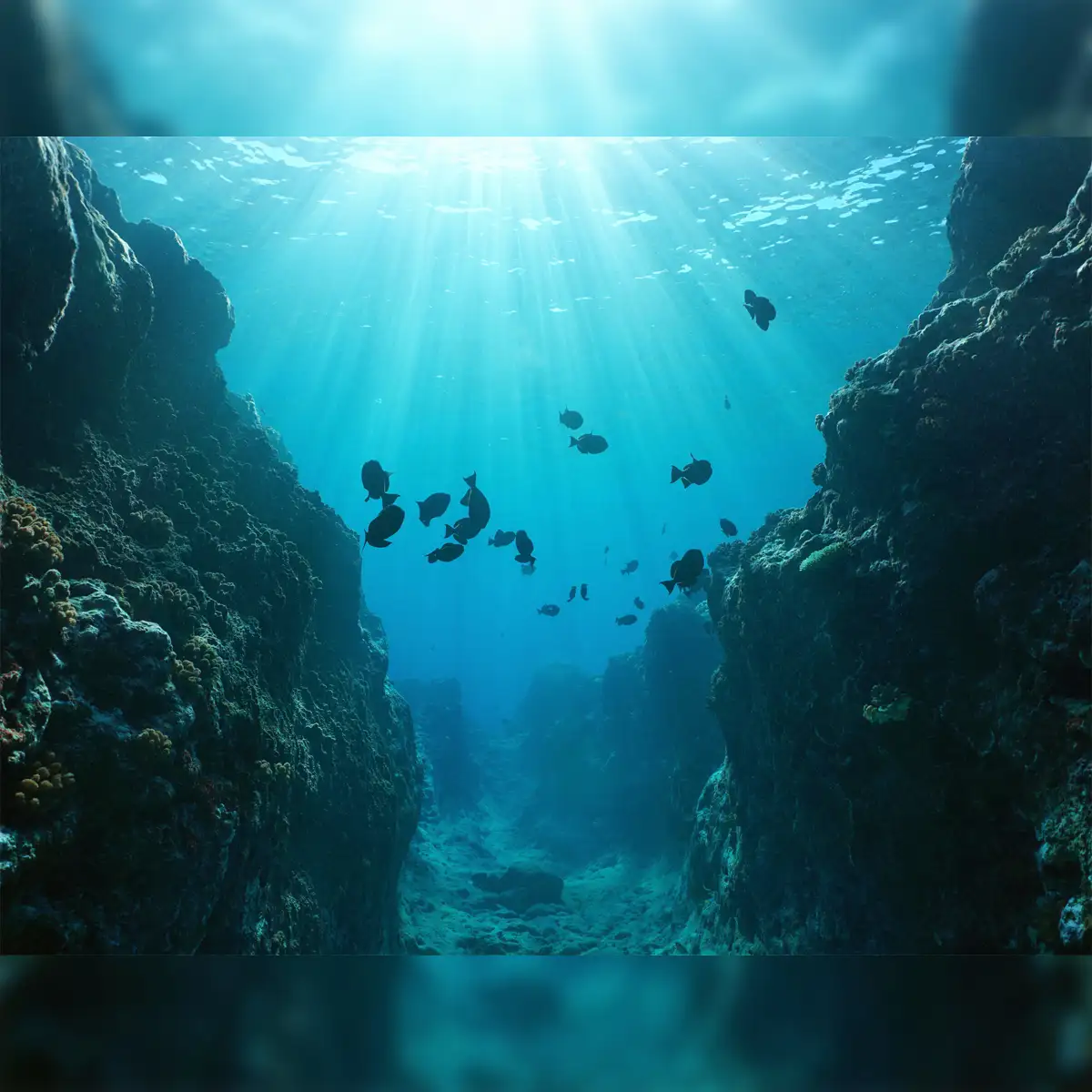
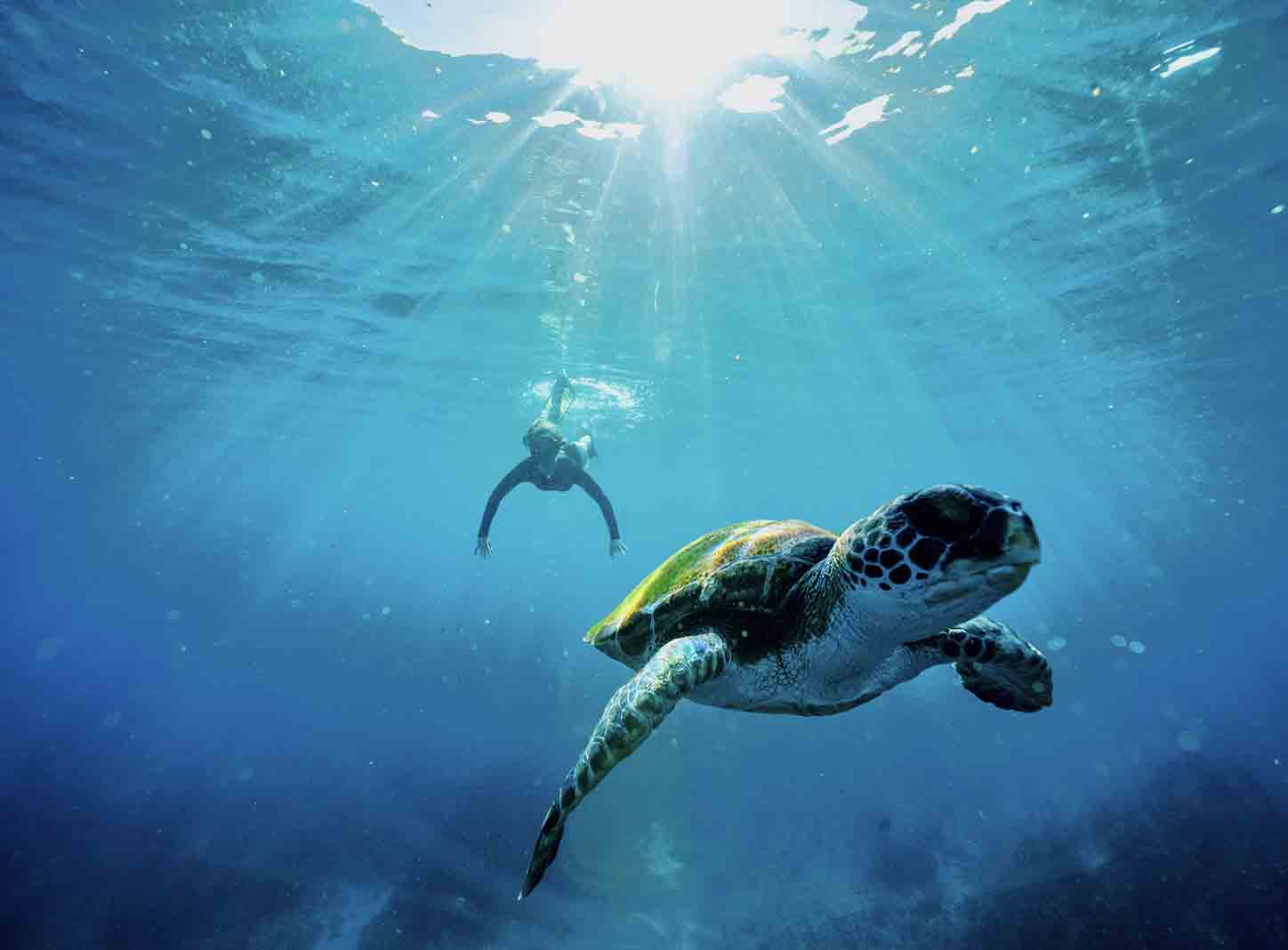
Twenty minutes offshore, you slip into water that holds the night's coolness, descending along a shot line to 12 metres where the northern rock's face drops away into blue. A school of kingfish moves past in tight formation, their silver flanks catching morning light that filters through the surface.

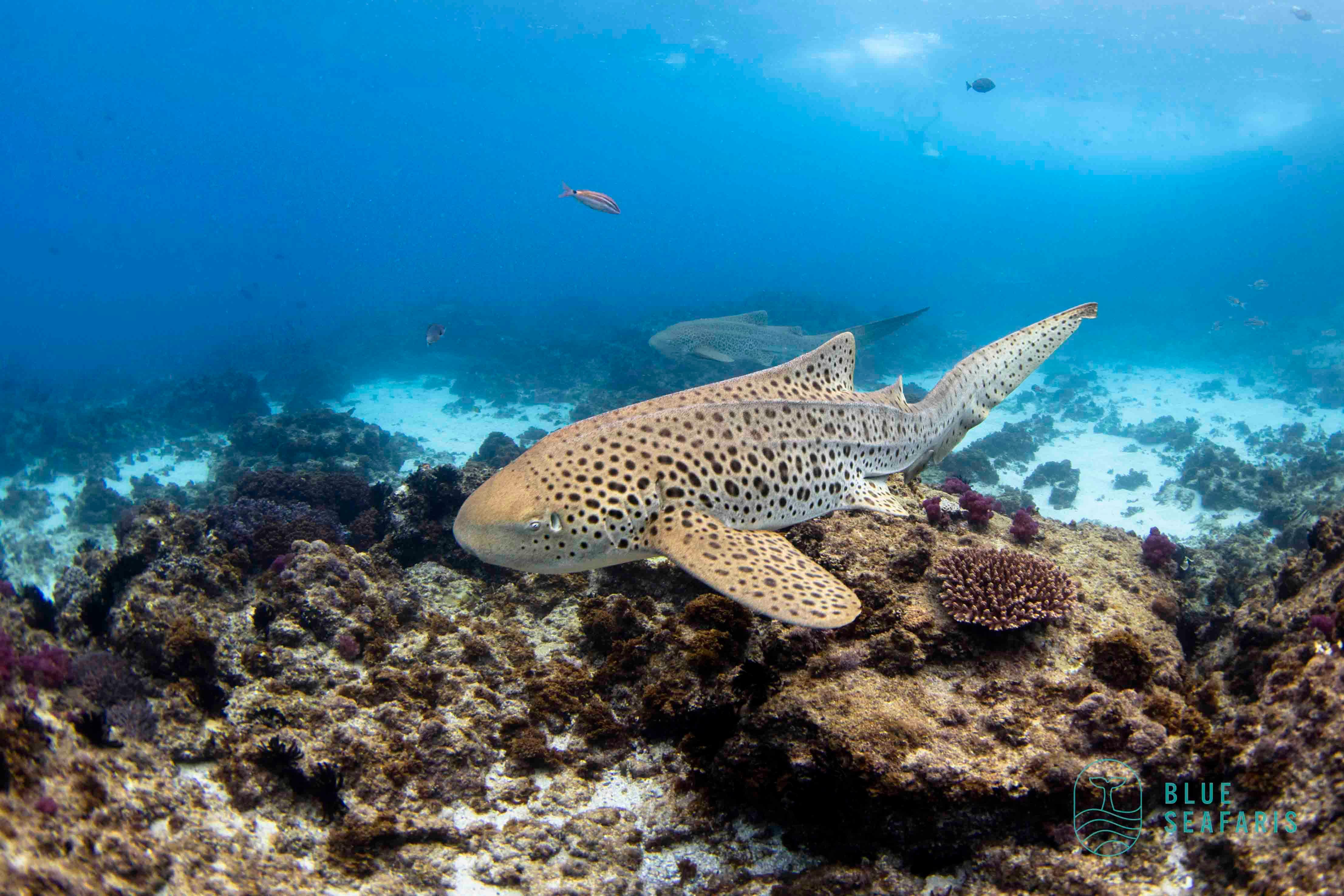
You drift with the current toward a guttered channel between boulders, where a grey nurse shark hovers motionless in the surge, mouth agape to oxygenate its gills. Two more glide out from an overhang, unhurried, barely registering your presence. The guide signals toward the shallows where a loggerhead turtle grazes on sponges, its shell encrusted with barnacles. You surface after 40 minutes, the boat waiting 30 metres downcurrent. Back on deck, the crew serves morning tea while you towel off, the peaks of Nguthungulli receding as the captain turns toward shore, Byron's lighthouse visible on the headland to the south.

Snorkeling Byron Bay Julian Rocks
Everything You Need to Know

Your complete Snorkeling Byron Bay Julian Rocks guide

All the details about your upcoming adventure in one place

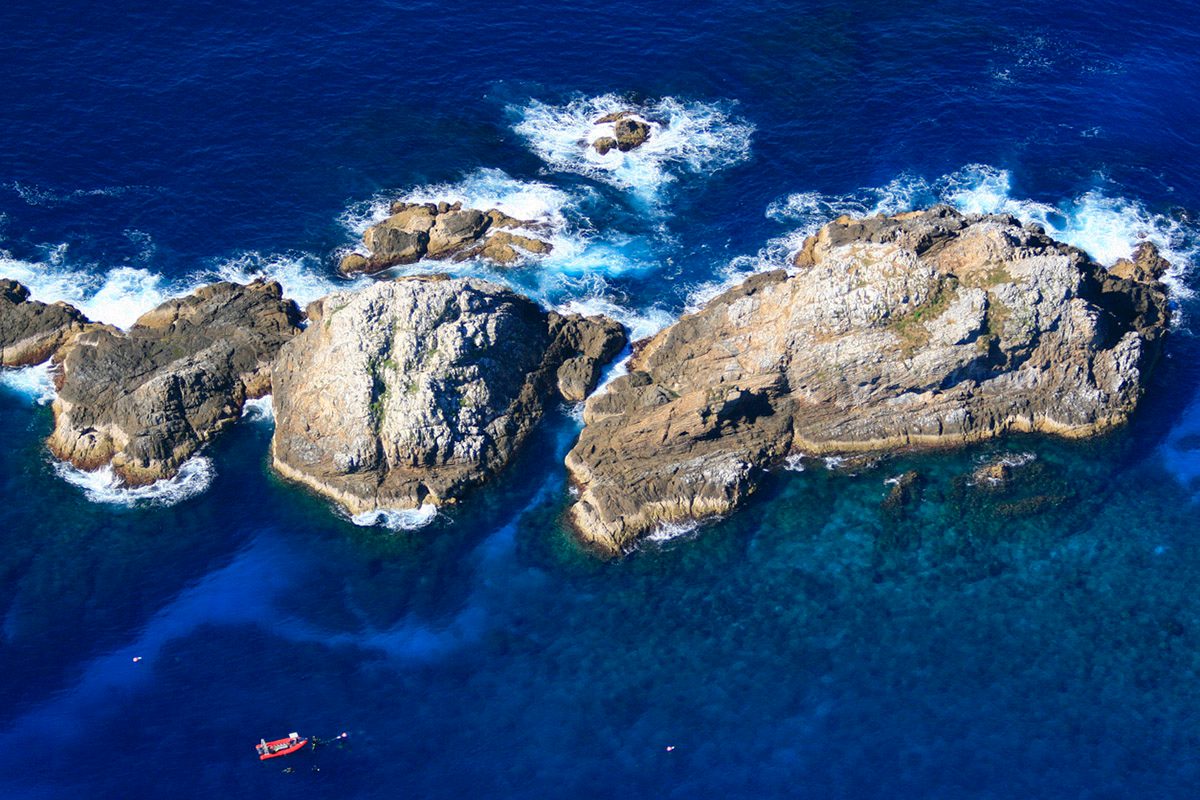
Julian Rocks rises 200 metres from the seabed three kilometres off Cape Byron, its twin volcanic remnants marking the convergence of warm tropical currents from the north and cold nutrient-rich flows from the south.

This collision of waters transforms Nguthungulli—the rock's Aboriginal name meaning 'father of the world'—into one of Australia's most biodiverse underwater sites, where 1,000 fish species and seasonal megafauna share territory across submerged caves and swim-throughs.

The Arakwal people held the formation sacred for millennia before European sailors charted it in 1770. Cook's crew named the twin peaks after the Julian calendar, unaware they were documenting a submarine mountain that would later shelter grey nurse sharks in numbers unmatched anywhere on the east coast. Protection arrived in 1982 when the New South Wales government declared the site a marine reserve, prohibiting fishing and anchoring within 400 metres of the rocks. Today Nguthungulli sustains populations that have collapsed elsewhere: leopard sharks nest in the gutters between boulders, loggerhead turtles drift through thermoclines, and manta rays spiral above the northern pinnacle during summer months.

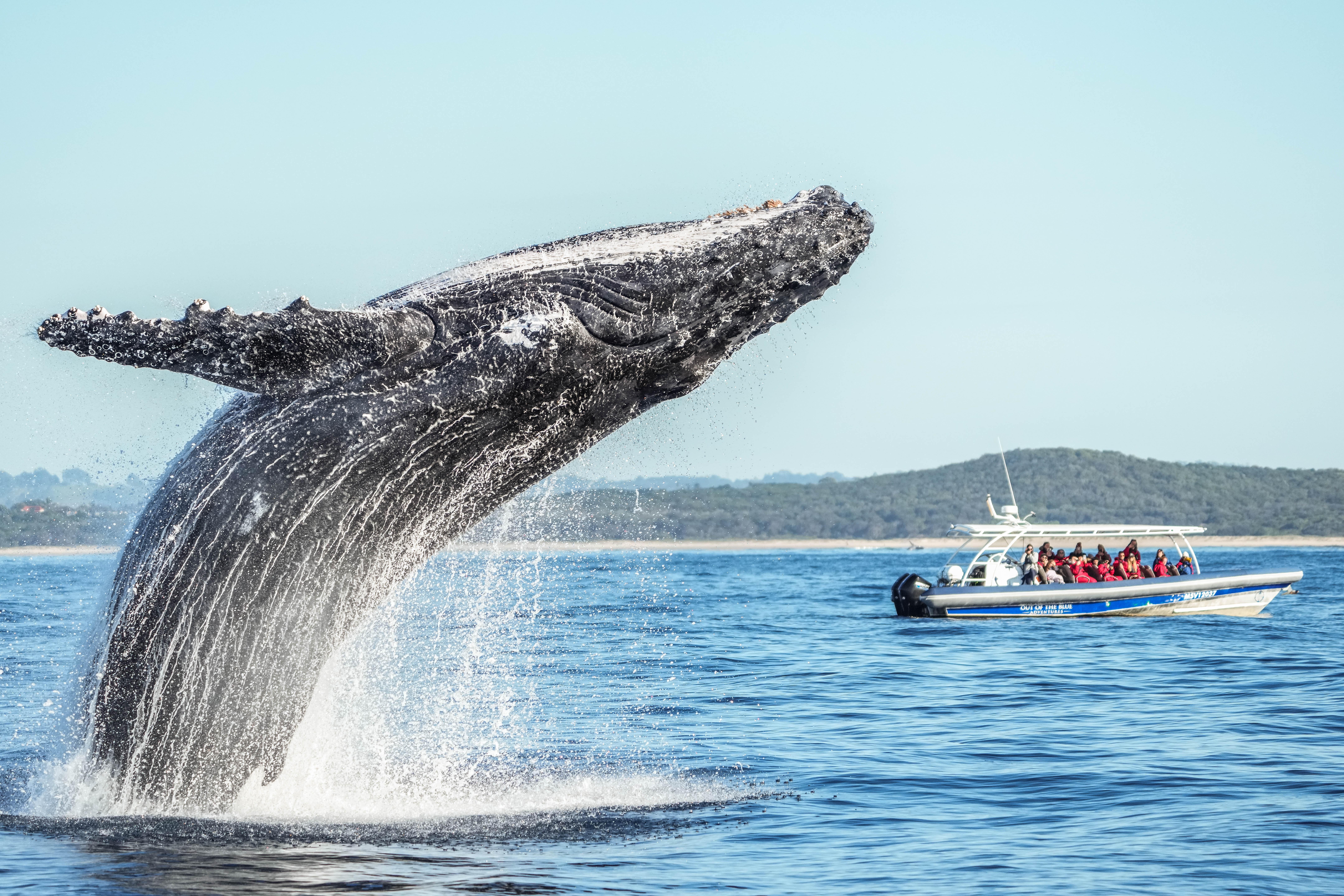
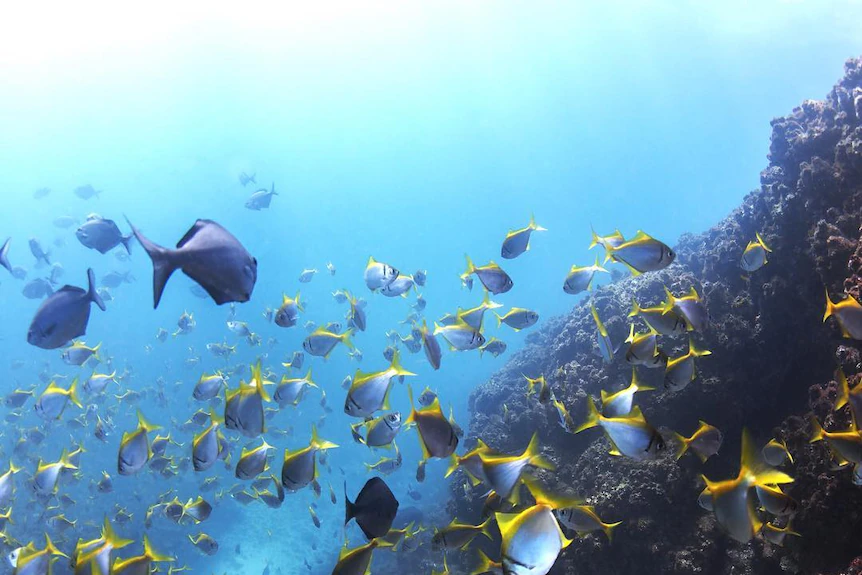
Visibility at the reserve fluctuates between 10 and 30 metres depending on offshore winds and plankton blooms. The eastern side drops to 24 metres in a wall pocked with overhangs where wobbegong sharks lie motionless against volcanic basalt. Soft corals and sponge gardens coat the shallower western slope, where schools of kingfish and trevally hunt in coordinated formations. Between June and November, humpback whales pass within sight of the rocks during their annual migration, occasionally breaching close enough that snorkelers surface to dorsal fin slaps echoing across the bay. Certified operators now run multiple departures daily, maintaining a strict code that prohibits touching marine life or entering the caves where nurse sharks aggregate. Water temperature holds between 19 and 24 degrees year-round, warm enough that most snorkelers wear only a spring suit or rash vest during the Byron Bay snorkeling season.

Where 1,000 fish species and seasonal megafauna share territory across submerged caves and swim-throughs.

Dress code

Wear swimwear, a hat, and sunglasses for sun protection. Wetsuits are typically provided by tour operators for snorkeling byron bay julian rocks.

Bags & security

Vessels have limited space; carry only small, waterproof dry bags. Security checks are not applicable at the reserve itself, but operators require ID.

Photography

Underwater cameras are highly recommended for capturing marine life. Professional photographers often join snorkeling byron bay julian rocks tours to provide images.

Families & strollers

Family-friendly tours are available, with many operators requiring a minimum age of 7 or 10 years old. All children must be competent swimmers for snorkeling byron bay julian rocks.

Accessibility

The nature reserve is accessible only by boat; individuals must be able to board and disembark vessels independently. Snorkeling requires basic swimming proficiency.

Food & drink

Most snorkeling byron bay julian rocks tours provide light snacks or refreshments. Bring a reusable water bottle to stay hydrated during your visit.

Not allowed

× Fishing equipment × Spear guns × Anchors × Single-use plastics × Drones × Pets × Glassware × Large hard-shell suitcases

What to bring

✓ Swimsuit ✓ Towel ✓ Reef-safe sunscreen ✓ Sunglasses ✓ Hat ✓ Water bottle ✓ Underwater camera

Opening hours

Mon 00:00–23:59
Tue 00:00–23:59
Wed 00:00–23:59
Thu 00:00–23:59
Fri 00:00–23:59
Sat 00:00–23:59
Sun 00:00–23:59

How to get there

At a glance

Opening hours

00:00–23:59

Address

Julian Rocks Nguthungulli Nature Reserve, off Cape Byron, Byron Bay NSW 2481

Entry

0 AUD (Free entry to the marine reserve; boat tour fees apply for access.)

Arrival window

07:00–11:00 — Best water clarity and calmer sea conditions often occur in the morning.

Storage

Not available; bring only essential items on tour vessels.

Website

https://www.nationalparks.nsw.gov.au/visit-a-park/parks/nguthungulli-julian-rocks-nature-reserve

Cancellation policy

Cancellation policies vary by operator; generally, 48 hours notice is required for a refund. Please note that the 0 AUD entrance fee does not apply to commercial snorkeling byron bay julian rocks tours.

Plan your time

Timing Your Snorkeling Byron Bay Julian Rocks Excursion

Recommended time

3-4 hours

Planning your snorkeling byron bay julian rocks adventure requires accounting for boat transit and gear fitting, which typically consumes a half-day. We advise choosing a morning departure, as the best arrival window: 07:00–11:00 ensures clearer water and calmer sea conditions for your marine wildlife observation. Most snorkeling byron bay julian rocks tours include travel time from the mainland to the Nguthungulli site, meaning you should book snorkeling byron bay julian rocks tickets well in advance to secure your preferred spot. Expect the morning sessions to be busier as visitors prioritize optimal visibility, while afternoon snorkeling byron bay julian rocks tour options may experience lower volume if the wind picks up.

Crowd levels through the day

07:00–09:00 Peak
09:00–11:00 High
11:00–13:00 Moderate
13:00–15:00 Light
The story

The Geological and Cultural Significance of Snorkeling Byron Bay Julian Rocks

Julian Rocks emerged from the ocean floor through volcanic activity roughly twenty-three million years ago, forming twin sea stacks that rise fifteen meters above the surface. The remnant basalt columns mark the eastern edge of an ancient shield volcano whose caldera now forms the hinterland behind Byron Bay. Aboriginal Bundjalung people named the formation Nguthungulli, the Father of the World, and designated the waters around it as a sacred male initiation site. Women and uninitiated men were prohibited from approaching the rocks under traditional law that governed the region for thousands of years before European arrival. Captain James Cook charted the formation in 1770 during his voyage along the east coast, but European use remained minimal until the mid-nineteenth century when the site gained its English name from a seaman named Julian who reportedly drowned nearby. Commercial fishing intensified around the rocks through the early twentieth century, targeting species that congregated in the nutrient-rich upwellings. By the 1970s recreational diving had discovered the twin tunnels that pierce the southern stack, and snorkeling byron bay julian rocks became a fixture of the emerging backpacker economy. New South Wales declared the area an aquatic reserve in 1982, restricting commercial extraction within a five-hundred-meter radius. The designation followed lobbying by marine scientists who documented over five hundred fish species and seasonal aggregations of manta rays, leopard sharks, and grey nurse sharks. In 1998 the reserve was expanded and renamed Nguthungulli Julian Rocks Nature Reserve, formally recognizing Bundjalung custodianship. The dual naming reflects ongoing negotiation between Indigenous heritage and settler tourism, with snorkeling byron bay julian rocks tours now required to acknowledge the site's cultural significance before departure. Climate records from 2015 onward show rising water temperatures pushing tropical species southward into waters that once hosted only temperate fauna.

23 million BP

Volcanic activity forms twin basalt stacks fifteen meters above sea level.

Pre-1770

Bundjalung people name the site Nguthungulli and reserve it as a sacred male initiation area.

1770

Captain James Cook charts the formation during his survey of the Australian east coast.

Mid-1800s

European settlers adopt the name Julian Rocks after a sailor drowned in nearby waters.

1970s

Recreational divers begin exploring the twin underwater tunnels through the southern stack.

1982

New South Wales declares a five-hundred-meter aquatic reserve to halt commercial fishing pressure.

1998

Reserve expands and adopts dual name Nguthungulli Julian Rocks Nature Reserve recognizing Indigenous heritage.

2015–present

Ocean warming drives tropical fish species into historically temperate waters around the reserve.

Photo spots

Best photo spots at Snorkeling Byron Bay Julian Rocks

The Nursery

The Nursery

Best light · Before 09:00

Positioned at the shallow western side, this area offers clear visibility of juvenile fish and leopard sharks resting on the sandy floor. Divers and snorkelers often capture wide-angle shots of the vibrant marine life here while participating in snorkeling byron bay julian rocks tours.

Turtle Reef

Turtle Reef

Best light · Mid-morning

Located on the northern edge of the reserve, this spot provides frequent sightings of green and hawksbill turtles. Photographers use this location to frame sea turtles against the backdrop of soft coral reefs accessible via snorkeling byron bay julian rocks tour operators.

The Needles

The Needles

Best light · Morning

This dramatic rock formation rising from the seabed creates deep gullies where macro photography enthusiasts find colorful sponges and nudibranchs. Access to this underwater landscape is restricted to those with snorkeling byron bay julian rocks tickets for professional boat excursions.

Cod Hole

Cod Hole

Best light · Morning

Famous for large resident grey nurse sharks and jewfish, this deep-water section requires a steady hand and wide-angle lens. It serves as a key site for those seeking to document the biodiverse ecosystems protected within this Byron Bay nature reserve.

Gallery

Moments from Snorkeling Byron Bay Julian Rocks

With kids

Visiting Snorkeling Byron Bay Julian Rocks with kids

Exploring the underwater world through snorkeling byron bay julian rocks offers families a chance to observe sea turtles and rays in a protected sanctuary. This marine reserve provides a calm environment suitable for children comfortable with water activities.

Strollers

The nature reserve is offshore, so strollers remain at the mainland departure points rather than on the watercraft. Ensure your selected snorkeling byron bay julian rocks tours provide secure storage for any infant gear you bring to the dock.

Best ages

While most operators welcome children, snorkeling byron bay julian rocks tickets generally require participants to be confident swimmers. Check individual provider requirements regarding minimum ages for snorkeling byron bay julian rocks tour gear fit.

Facilities

There are no changing rooms or amenities on the rocks themselves. Use the mainland facilities in Byron Bay before boarding your snorkeling byron bay julian rocks tour for the day.

Pacing

Tours typically spend several hours on the water including travel time from the shore. Plan your day around the best arrival window of 07:00–11:00 to ensure your children experience the calmest sea conditions.

Food with kids

Pack sufficient snacks and water for the trip as food service is not available on the boat. Having a simple meal ready for after your excursion helps keep young swimmers energized.

Food & drink

Where to eat at Snorkeling Byron Bay Julian Rocks

There are no dining facilities at the nature reserve itself, so most visitors planning their snorkeling byron bay julian rocks experience grab a meal in Byron Bay before or after their boat trip. The nearby town center offers numerous cafes and eateries within a short distance of the departure points for those booking snorkeling byron bay julian rocks tours.

The Pass Café

$15-30

Bistro — 5 min drive

Located near the beach, this spot offers a relaxed atmosphere perfect for a post-swim brunch. It is popular with locals, so arrive early if you are securing snorkeling byron bay julian rocks tickets for a busy weekend.

Dip Café

$20-40

Bistro — 2 min walk

Situated in the town center, this venue serves a variety of breakfast and lunch options. It is a convenient stop before heading out on a snorkeling byron bay julian rocks tour.

Bayleaf Café

$15-25

Café — 5 min walk

Known for high-quality coffee and seasonal dishes, this cafe is a hub for visitors. It is an ideal place to refuel after exploring the marine life and biodiversity of the reserve.

FAQ

Snorkeling Byron Bay Julian Rocks — frequently asked questions

Everything you need to know for your journey

Ready for Adventure?

Join thousands of happy travelers who have discovered this incredible experience

Book Your Experience Now