

Quick answer
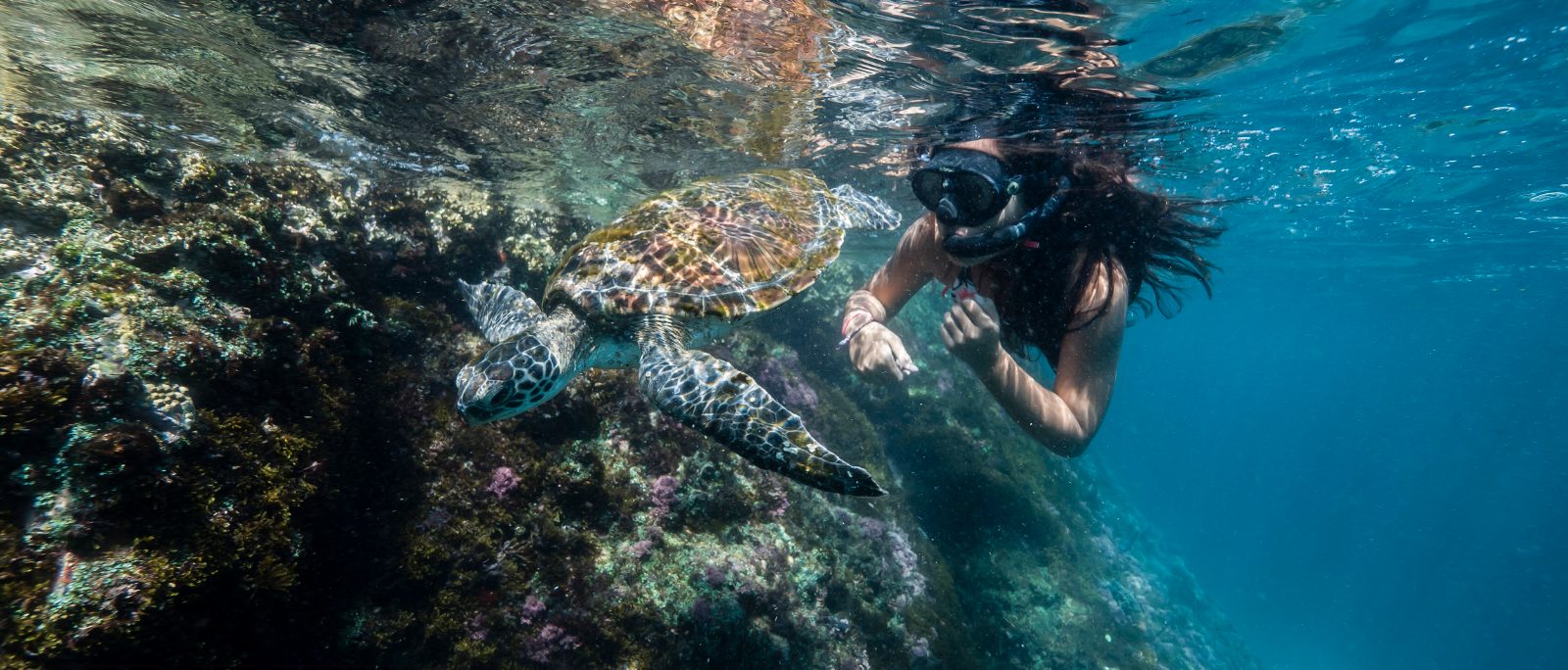
Recent snorkeling Byron Bay reviews from Julian Rocks rate the site 4.6 out of 5 on average, with visitors praising frequent turtle encounters, schooling fish, and grey nurse sharks during winter months. Negative reviews cite choppy surface conditions during afternoon sessions and reduced visibility after heavy rainfall. Morning departures between 7:00–9:00 AM receive the highest satisfaction scores across operator platforms.
Nguthungulli Nature Reserve protects 54 hectares of volcanic rock formations that rise from the continental shelf, creating a convergence zone where tropical and temperate currents meet. This geological anomaly produces the biodiversity density that snorkelers describe in their feedback. Reviews from April through September 2026 mention grey nurse shark sightings in 73% of trip reports, with aggregations of 8–15 individuals documented at The Nursery site on the southern face. Green sea turtles appear in 89% of summer reviews, while manta ray encounters spike during February–April plankton blooms. Leopard sharks, wobbegongs, and eagle rays feature in winter assessments. Visibility reports range from 8 meters during runoff periods to 30+ meters during stable autumn conditions, with reviewers noting that northeasterly swells reduce clarity at shallow sites. Tour operator ratings vary by vessel type and group size. Small-group operators running 6–12 passenger boats receive higher marks for personalized briefings and site selection flexibility. Budget-conscious travelers note that larger commercial vessels offer lower per-person costs but less time in the water per stop. All licensed operators provide wetsuits, masks, snorkels, and fins as standard equipment. Critical reviews center on sea sickness during rough crossings and insufficient time at each site when operators run multi-stop itineraries. Visitors sensitive to motion consistently recommend booking morning trips during low-swell windows and taking ginger tablets 30 minutes before departure. First-time snorkelers benefit from operators offering pool orientation sessions, though this service adds 20–30 minutes to pre-departure time. The reserve remains open year-round with no entrance fee, though all access requires commercial tour participation due to the offshore location and marine park regulations. Tour availability depends on daily weather assessments and minimum passenger thresholds.
“The convergence of warm and cool currents creates a species checklist that rivals tropical reefs, all within a 20-minute boat ride from shore.”
Optimal Snorkeling Byron Bay Reviews for Water Clarity and Conditions
The best arrival window is 07:00–11:00, as optimal water clarity and calm conditions typically occur in the morning. Planning your visit during this timeframe provides the highest probability of stable, clear visibility at Julian Rocks Nguthungulli Marine Reserve.
Summer (Dec–Feb)
High crowds20°C–28°C; warm water
Warmer water temperatures attract diverse marine life, though summer storms may affect visibility.
Autumn (Mar–May)
Moderate crowds18°C–25°C; stable conditions
Clearer water and calmer currents make this a preferred season for snorkeling.
Winter (Jun–Aug)
Low crowds15°C–21°C; cool water
Visibility remains high, though water temperatures drop, requiring full-length wetsuits.
Spring (Sep–Nov)
Moderate crowds17°C–24°C; mild conditions
Warming water temperatures combined with consistent conditions offer favorable conditions for snorkelers.
Verdict: The optimal snorkeling experience is found during weekday mornings between 07:00–11:00, particularly in the stable conditions of April or October.
Snorkeling Byron Bay Reviews: Marine Life at Julian Rocks Nguthungulli
Julian Rocks Nguthungulli Marine Reserve acts as a convergence zone where tropical and temperate currents meet, fostering high biodiversity. Visitors frequently encounter diverse marine species across several distinct underwater formations within the reserve.
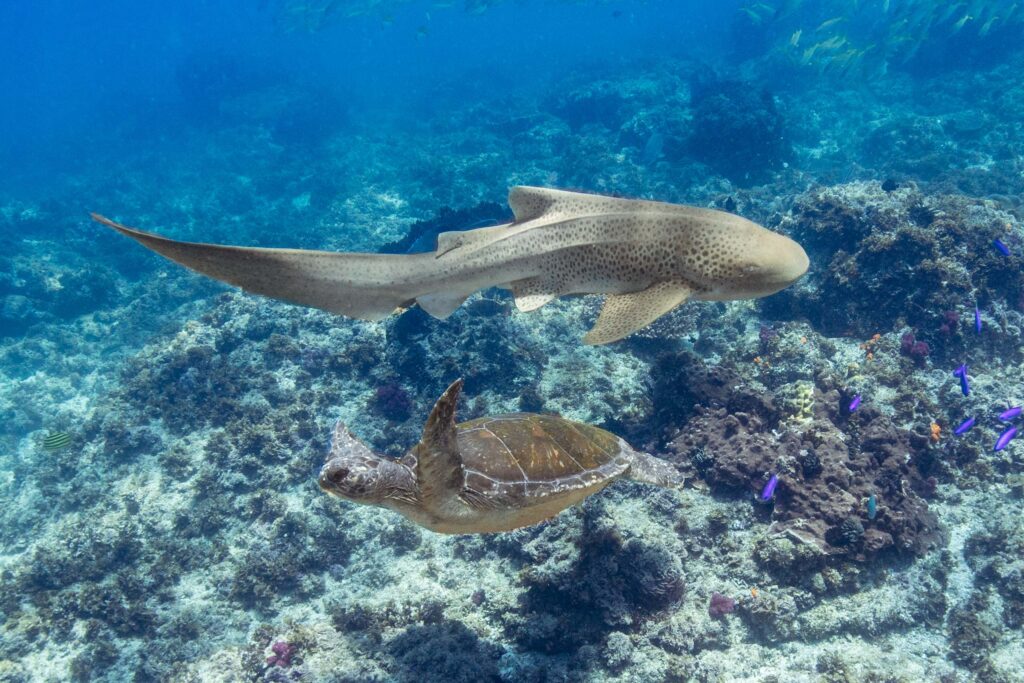
The Nursery
A shallow, protected area characterized by its calm conditions that serve as a habitat for juvenile fish and wobbegong sharks.
Look under rocky ledges to spot resting wobbegong sharks.
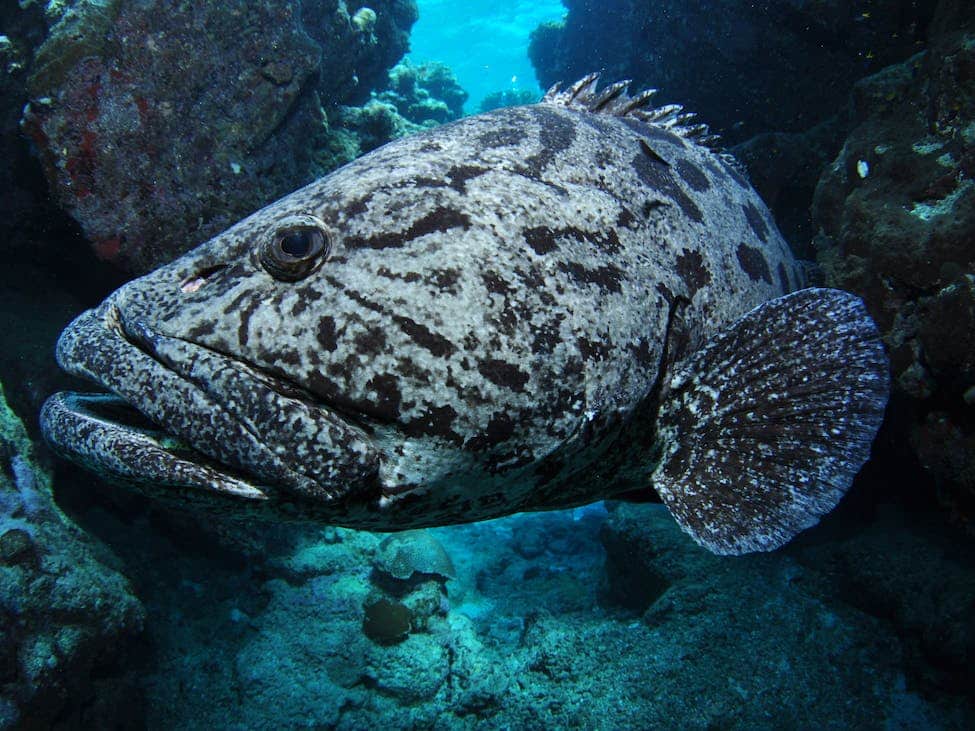
Cod Hole
Named for the large gropers often found here, this site features deep crevices and swim-throughs popular with larger marine life.
Observe large gropers from a distance to avoid disturbing them.
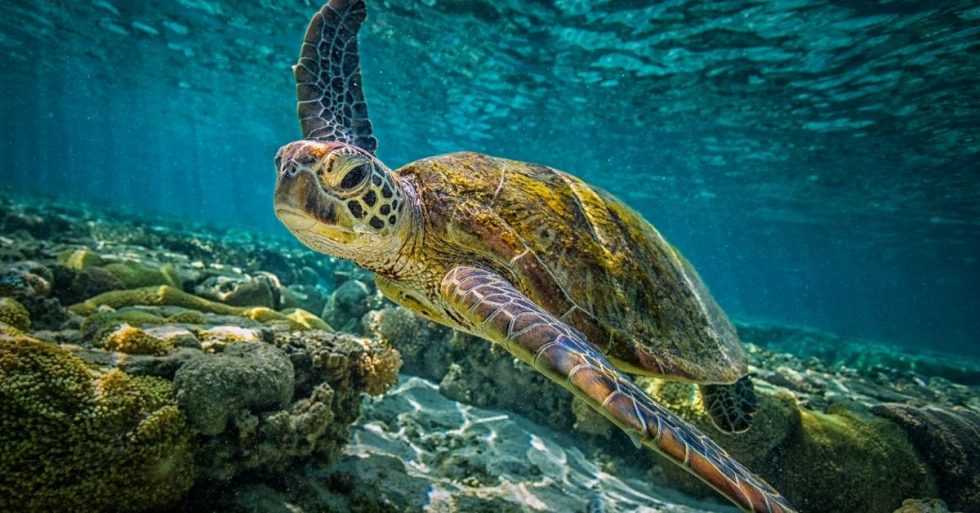
Turtle Reef
This area is frequented by green and hawksbill turtles grazing on sea sponges and algae.
Stay still and wait for turtles to surface for air.
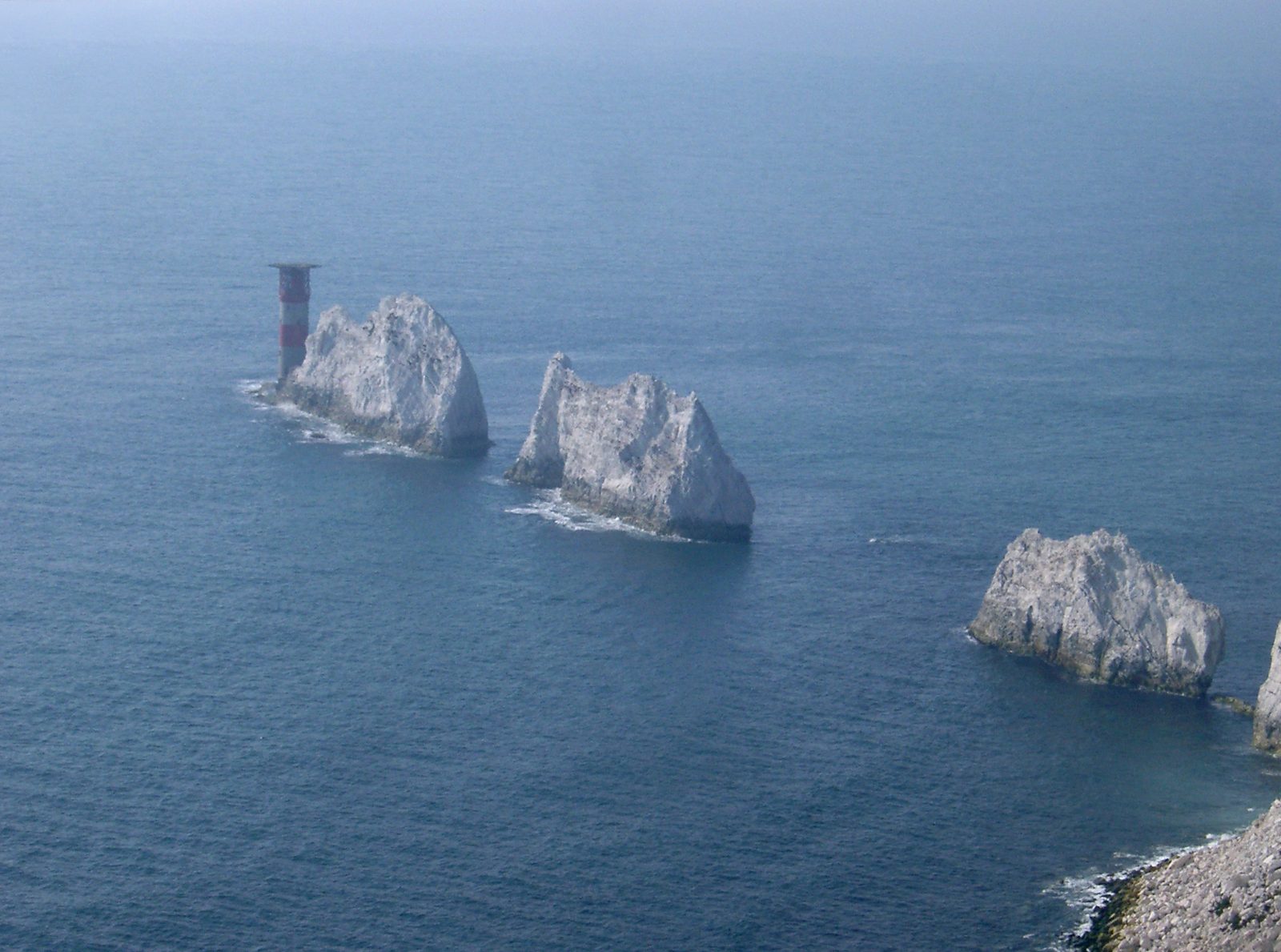
The Needles
A series of submerged pinnacles that attract schooling pelagic fish and occasional eagle rays.
Scan the blue water column for passing pelagic fish schools.
Snorkeling Byron Bay Reviews: Pre-Visit Gear and Preparation Checklist
Julian Rocks requires boat access and open-water conditions, so preparation focuses on sun protection, seasickness management, and personal snorkel gear.
-
Bring reef-safe sunscreen (SPF 50+) — Chemical sunscreens damage the marine reserve ecosystem and are discouraged.
-
Pack seasickness medication if prone to motion — The 2.5 km boat crossing can be choppy, especially in afternoon wind.
-
Wear a rashguard or wetsuit for sun protection — Morning water temperatures average 19–24°C year-round; UV exposure is high.
-
Bring your own mask if you have prescription needs — Tour operators supply standard gear, but fit and comfort vary.
-
Pack a dry bag for valuables and towels — Spray and splash are common on the return journey.
-
Apply sunscreen 30 minutes before departure — Allows proper absorption before water immersion at the reserve.
Check availability
Common questions about snorkeling byron bay reviews
Everything you need to know about snorkeling byron bay reviews