
Quick answer
Yes, swimming and snorkeling are safe at Julian Rocks Marine Reserve when you join a guided boat tour during the recommended 07:00–16:00 window. The reserve's protected waters offer excellent visibility and calmer conditions than Byron's surf beaches. Marine stinger risk exists November through May, but tour operators provide protective suits. Strong ocean currents affect open-water areas near Cape Byron, making guided trips the safest approach to this marine park.
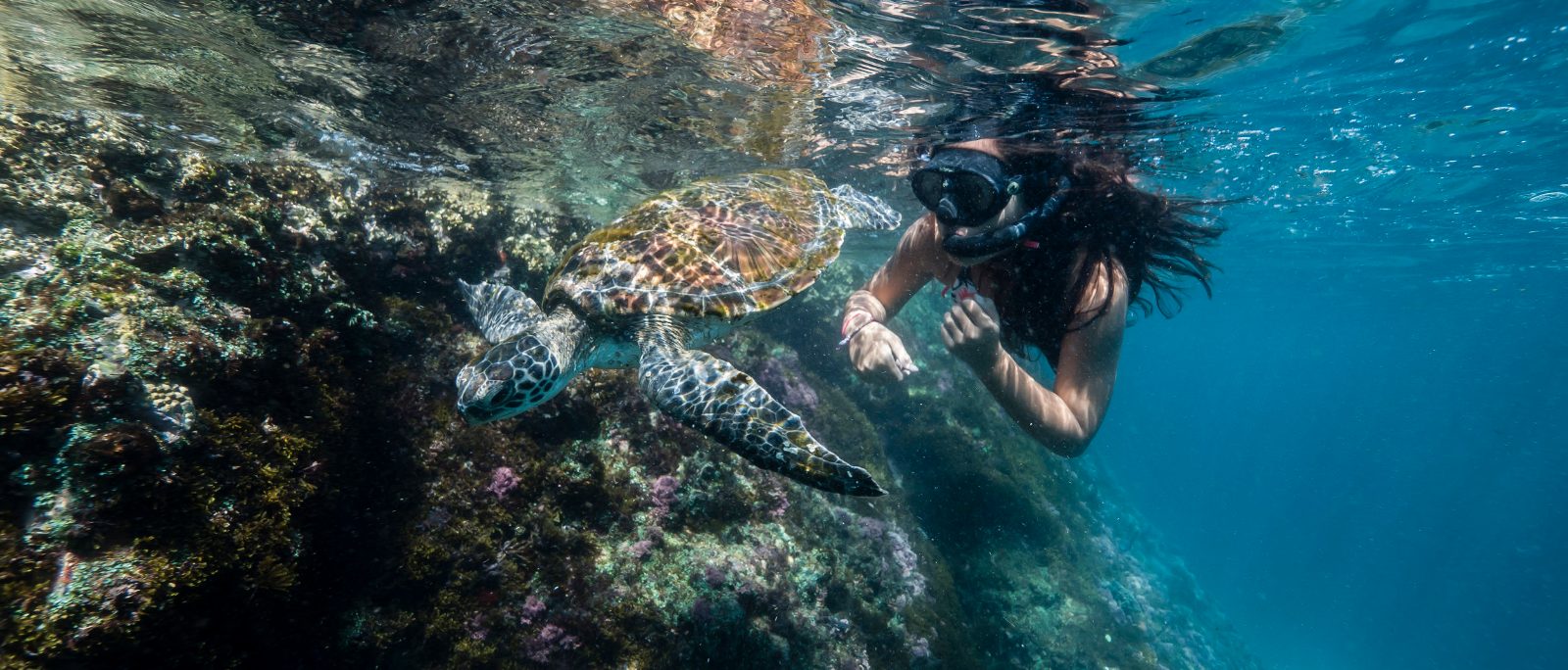
Julian Rocks sits 2.5 kilometres off Cape Byron in a marine reserve that hosts grey nurse sharks, leopard sharks, manta rays, and over 500 tropical fish species—but accessing this underwater landscape safely requires understanding the conditions that set it apart from Byron's mainland beaches. Is it safe to swim in Byron Bay's marine reserve? The answer depends on how you enter the water. Julian Rocks is accessible only by boat tour, which removes the hazards that affect beach swimmers: dumping shore breaks, rip currents that sweep bathers hundreds of metres offshore, and submerged rocks near the Cape Byron headland. Tour operators launch from Tallow Beach or Main Beach between 07:00 and 16:00, when light penetration maximizes underwater visibility and wind conditions remain stable. The reserve's eastern face offers sheltered moorings where currents run gentler than the open Pacific beyond the rocks. Stinger season spans November through May, when box jellyfish and bluebottles drift into New South Wales coastal waters. Reputable operators supply full-length wetsuits or stinger suits during this period, reducing contact risk to near zero. Water temperature holds between 19°C in winter and 24°C in summer—comfortable enough for extended snorkeling with thermal protection. Byron Bay swimming safety improves significantly when you choose boat-based access over shore entries. The marine reserve prohibits anchoring and limits vessel traffic, creating a controlled environment where guides monitor conditions continuously. Snorkelers remain within 50 metres of the boat, and dive briefings cover hand signals, marine life protocols, and emergency procedures before every departure. Current strength varies with tidal phase and swell direction. Spring tides and easterly swells generate stronger flow around the rocks' northern tip, where the seabed drops from 12 to 24 metres. Tour operators adjust mooring sites based on real-time conditions, moving groups to the western face when currents exceed safe thresholds for snorkeling. This adaptive approach keeps participants in water they can manage comfortably, regardless of experience level.
“Julian Rocks is accessible only by boat tour, which removes the hazards that affect beach swimmers: dumping shore breaks, rip currents, and submerged rocks near the Cape Byron headland.”
When Is It Safe To Swim In Byron Bay And Julian Rocks
The safest and most productive window for snorkeling at Julian Rocks Nguthungulli Marine Reserve is between 07:00 and 16:00, when daylight ensures maximum underwater visibility. Choosing the right season based on water temperature and currents further enhances safety and comfort for swimmers.
Summer (Dec–Feb)
HighWarm water 24°C to 26°C
Warmer currents are consistent, though summer months see increased visitor numbers. Conditions remain favorable for those comfortable with varied marine activity.
Autumn (Mar–May)
ModerateMild 20°C to 23°C
Visibility is frequently high during this period. Lower visitor volume compared to summer allows for a quieter experience at the reserve.
Winter (Jun–Aug)
LowCooler 18°C to 20°C
Expect cooler water temperatures requiring wetsuits. This season often provides the calmest surface conditions for boat transit and snorkeling.
Spring (Sep–Nov)
ModerateMild 19°C to 22°C
Water temperatures begin to rise, and weather remains stable. These months offer a balance between moderate crowds and good clarity.
Verdict: The optimal time for a visit is between 07:00 and 16:00, ideally during the shoulder seasons of April or October for the best balance of water temperature and visibility.
Getting To The Marine Reserve: Is It Safe To Swim In Byron Bay Access?
Julian Rocks Nguthungulli Nature Reserve is located off Cape Byron, Byron Bay NSW 2481. Access to the reserve is strictly restricted to boat transport, requiring visitors to join professional marine tours for safe transit and entry into the water.
Professional snorkeling or diving tour from Byron Bay
Parking available at local Byron Bay boat launch points
Safety Protocols: Is It Safe To Swim In Byron Bay Reserves?
Julian Rocks sits in open ocean conditions where currents, swell, and marine life require specific safety protocols. Guided tours enforce these practices to protect both visitors and the protected reserve ecosystem.
Do
- Stay within sight of your guide at all times
- Check current and weather conditions before entering the water
- Wear provided flotation aids if you're not a confident swimmer
- Follow flag warnings and tour operator safety briefings
- Maintain a safe distance from all marine life
- Report any injuries or equipment issues to crew immediately
Don't
- Don't swim alone or separate from your guided group
- Don't touch, chase, or feed any marine animals
- Don't enter the water if conditions are deemed unsafe by operators
- Don't ignore current warnings or attempt to swim against strong flow
- Don't remove anything from the marine reserve
- Don't wear sunscreen that isn't reef-safe before snorkeling
Essential Gear For Is It Safe To Swim In Byron Bay Trips
Marine reserve tours require minimal personal equipment, but proper preparation ensures comfort and safety on the water.
-
Book your tour in advance — Popular operators fill quickly, especially during peak season.
-
Bring reef-safe sunscreen — Chemical sunscreens damage the marine environment and are discouraged in the reserve.
-
Pack a rashguard or wetsuit — Water temperatures range 19-26°C; thermal protection prevents hypothermia on longer trips.
-
Confirm mask fit before departure — Ill-fitting rental masks cause leaks and reduce visibility underwater.
-
Take seasickness medication if prone — The 20-minute boat crossing to Julian Rocks can be choppy in certain conditions.
-
Secure waterproof storage for valuables — Phones and wallets stay dry in provided dry bags or waterproof cases.
Check availability
Frequently asked questions about is it safe to swim in byron bay
Everything you need to know about is it safe to swim in byron bay