English| EUR
Suggested for you
More currencies
Book Now
Open today · 00:00 – 23:59

Diving Byron Bay Julian Rocks

Diving Byron Bay Julian Rocks — Marine Reserve Adventures

Where tropical and temperate currents converge, a thousand species wait beneath the waves.

50K+ travelers chose this
Free Cancellation
Right now: Moderate — spring shoulder season Visibility is variable; please check with your diving byron bay julian rocks operator for today's conditions.
Free Cancellation
Free cancellation Instant confirmation Mobile voucher Verified partner Small group sizes
1000+
Marine Species
Diverse aquatic life recorded
5–24 m
Depth Range
Varies by specific dive site
18–27 °C
Water Temperature
Seasonal range at the reserve
2.5 km
Distance Offshore
Short boat ride from Byron Bay
80 hectares
Reserve Size
Protected sanctuary zone area
Choose your ticket

Diving Byron Bay Julian Rocks tickets at a glance

Compare fares, pick the fit — all bookings are mobile-voucher and eligible for free cancellation where shown.

Nguthungulli Julian Rocks Snorkeling Adventure 3 hr
Standard Entry

Nguthungulli Julian Rocks Snorkeling Adventure

4.7 (138)
€79
  • Entry ticket
  • Mobile voucher
  • Valid same day
  • Free cancellation
Book this ticket
Byron Bay Whale Watching with Marine Biologist 2 hr 30 min
Standard Entry

Byron Bay Whale Watching with Marine Biologist

4.8 (347)
€79
  • Entry ticket
  • Mobile voucher
  • Valid same day
  • Free cancellation
Book this ticket
Compare options

Compare Diving Byron Bay Julian Rocks ticket options

Choosing the right experience for diving byron bay julian rocks is essential to match your certification level and marine life interests. Visitors can select between guided snorkeling for all levels or certified scuba diving tours to explore this vibrant marine reserve.

Snorkel Tour Guided Water Entry Top pick
Certified Scuba Dive Instructional & Guided
Experience Type Snorkeling & Freediving
Required Certification None required
Inclusions Mask, snorkel, fins, wetsuit
Group Size Up to 12 participants
Best For First-timers & snorkelers

Verdict: First-time visitors should choose the certified scuba diving byron bay julian rocks tickets if they hold an Open Water license, otherwise the snorkel tour is the recommended way to observe the diverse reef life.

Is Diving Byron Bay Julian Rocks worth it?

Worth it for marine life enthusiasts

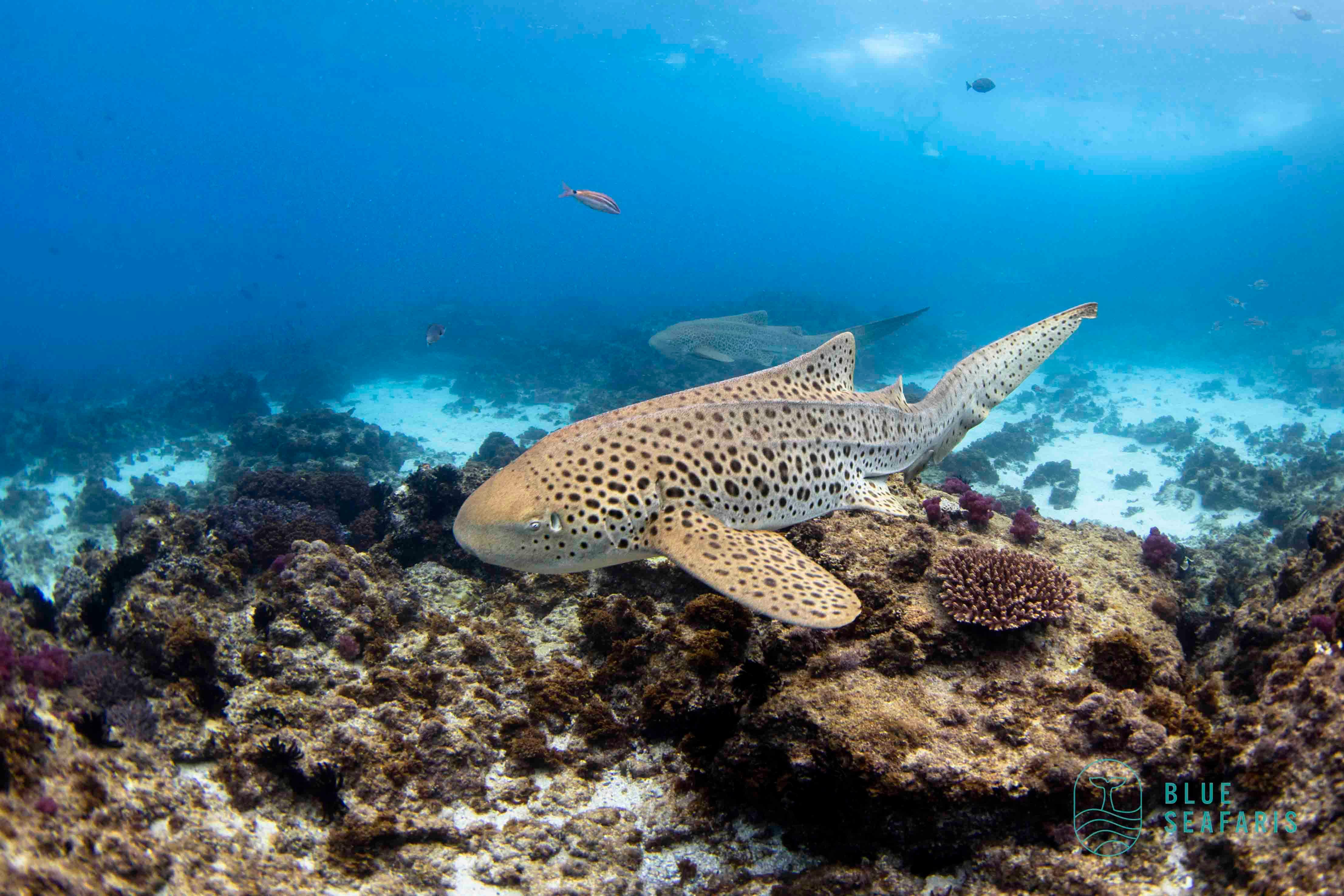
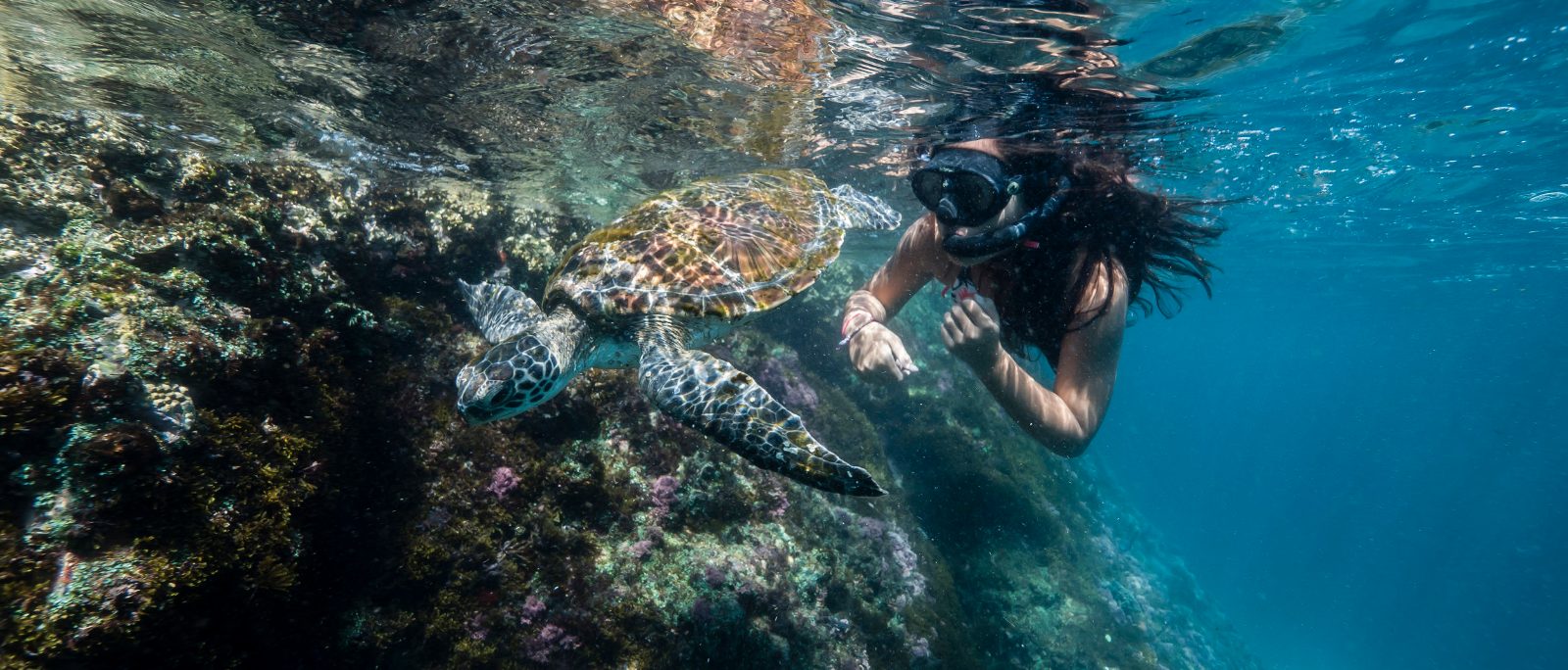
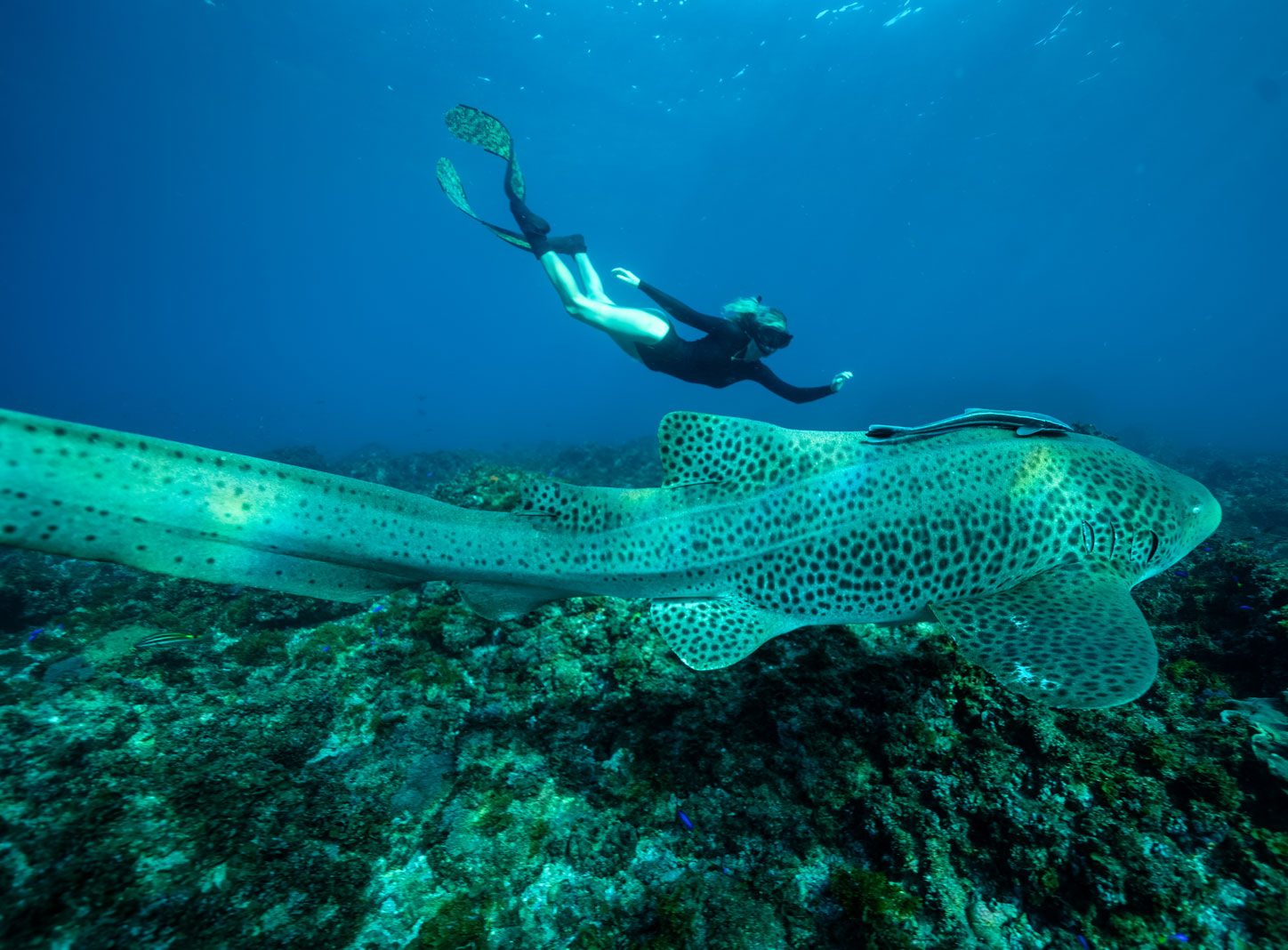
Diving byron bay julian rocks delivers exceptional underwater biodiversity without entry fees to the marine reserve itself—you pay only for boat-based operator tours. The site sits 2.5 km offshore where three ocean currents converge, creating nutrient-rich conditions that attract manta rays, leopard sharks, sea turtles, and seasonal grey nurse sharks. Morning departures (07:00–12:00) consistently offer calmer seas and 15–25 meter visibility. Snorkeling adventures typically run 90–120 minutes including boat transit, giving sufficient bottom time to explore the granite outcrops and swim-throughs. Certified divers gain access to deeper walls and caverns where pelagic species congregate. The value proposition works best for travelers prioritizing marine encounters over terrestrial sightseeing—if you're comparing against hinterland tours or surf lessons, this targets a different experience entirely. Budget-conscious visitors can opt for snorkeling tours at lower price points while still accessing the same protected waters and wildlife corridors that make Nguthungulli a globally recognized dive destination.

What makes it worth it

  • Three-current convergence creates rare biodiversity hotspot
  • No marine reserve entry fee beyond operator costs
  • Morning tours ensure optimal visibility and sea conditions
  • Manta rays and turtles reliably present year-round
  • Snorkeling option provides budget-friendly alternative to diving

Keep in mind

  • Boat-dependent access adds scheduling constraints
  • Rough seas can cancel tours September–March
  • No shore-based viewing alternative available

Bottom line: For underwater wildlife enthusiasts, diving byron bay julian rocks tours justify the operator cost through consistently rich marine life encounters unavailable from Byron's beaches.

Head to head

Diving Byron Bay Julian Rocks vs Snorkeling Tours — Which Is Better?

They complement each other; most visitors who do both call the scuba option the more immersive way to encounter marine life at this landmark.

Top pick
Scuba Diving
Snorkeling Tour
Activity Type Snorkeling
Requirement No certification needed
Underwater Access Surface and shallows
Marine Life Focus Turtles and schooling fish
Typical Duration 2.5–3 hours
Group Capacity Up to 13 passengers
Launch Site The Pass, Byron Bay
Price Range From 109–139 AUD

Verdict: Choose diving byron bay julian rocks tours if you want to explore the deeper crevices of the marine reserve, or opt for a snorkeling trip if you prefer a surface-level view with less restrictive diving byron bay julian rocks tickets.

Featured Experiences

Popular Diving Byron Bay Julian Rocks tours & activities

Hand-picked experiences loved by thousands of travelers

Recommended Experience

Powered by GetYourGuide

Another traveler favorite

Powered by GetYourGuide
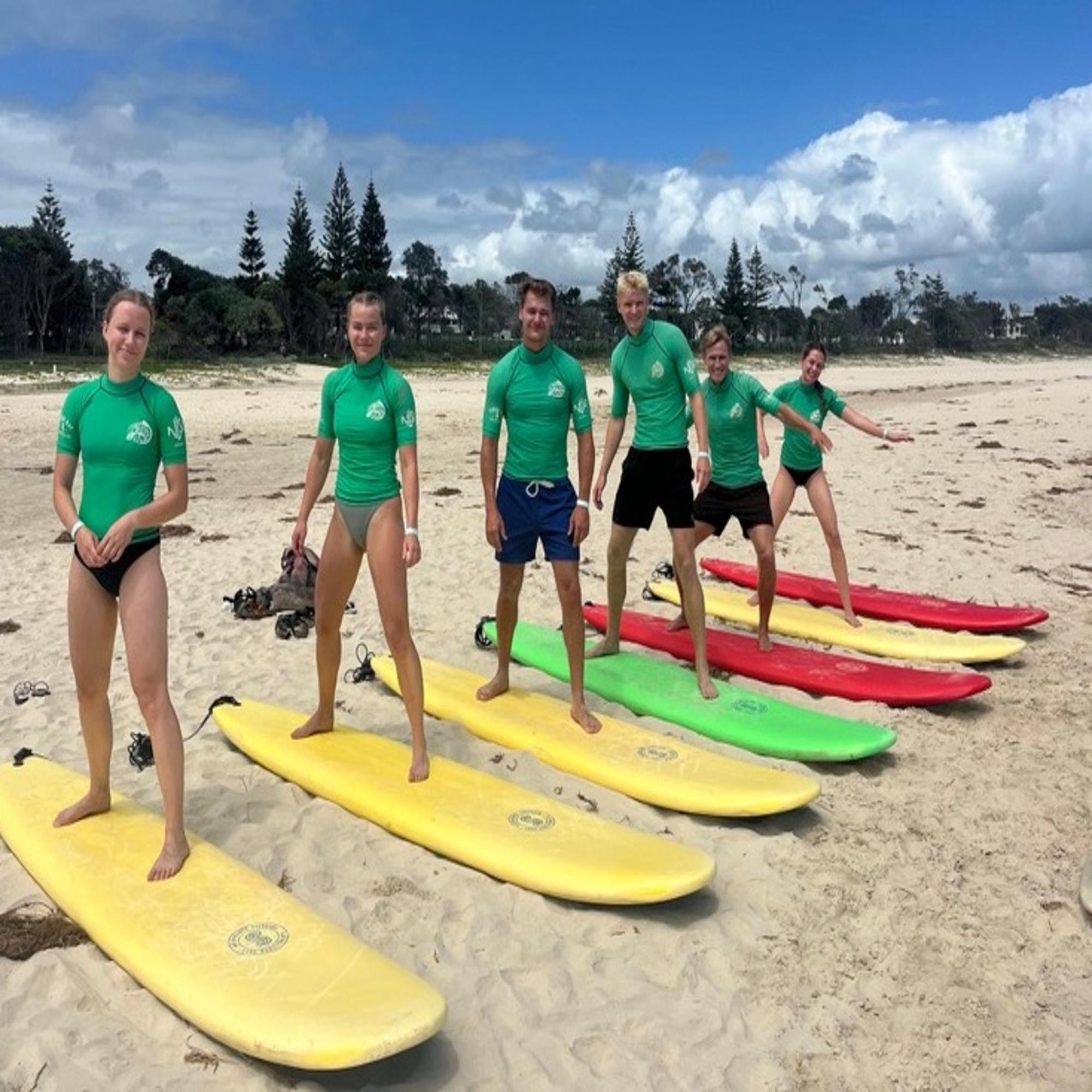
Byron Bay Small Group Surf Lesson 2 hours Free Cancellation

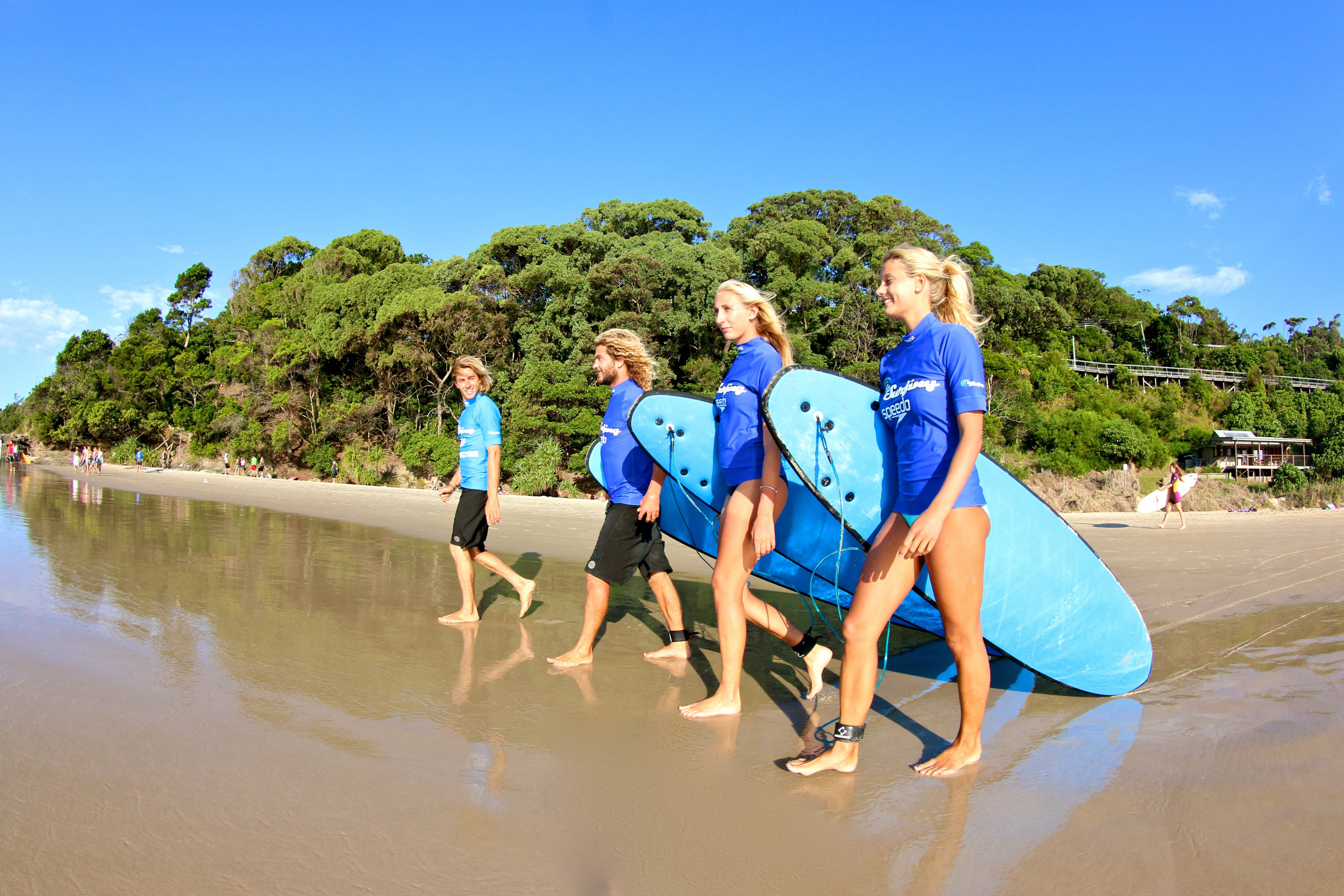
Byron Bay Small Group Surf Lesson

Master your first waves in a 2-hour beginner-friendly session with expert instructors and all gear provided.

4.9 (799)
FromFrom €54.83
See details
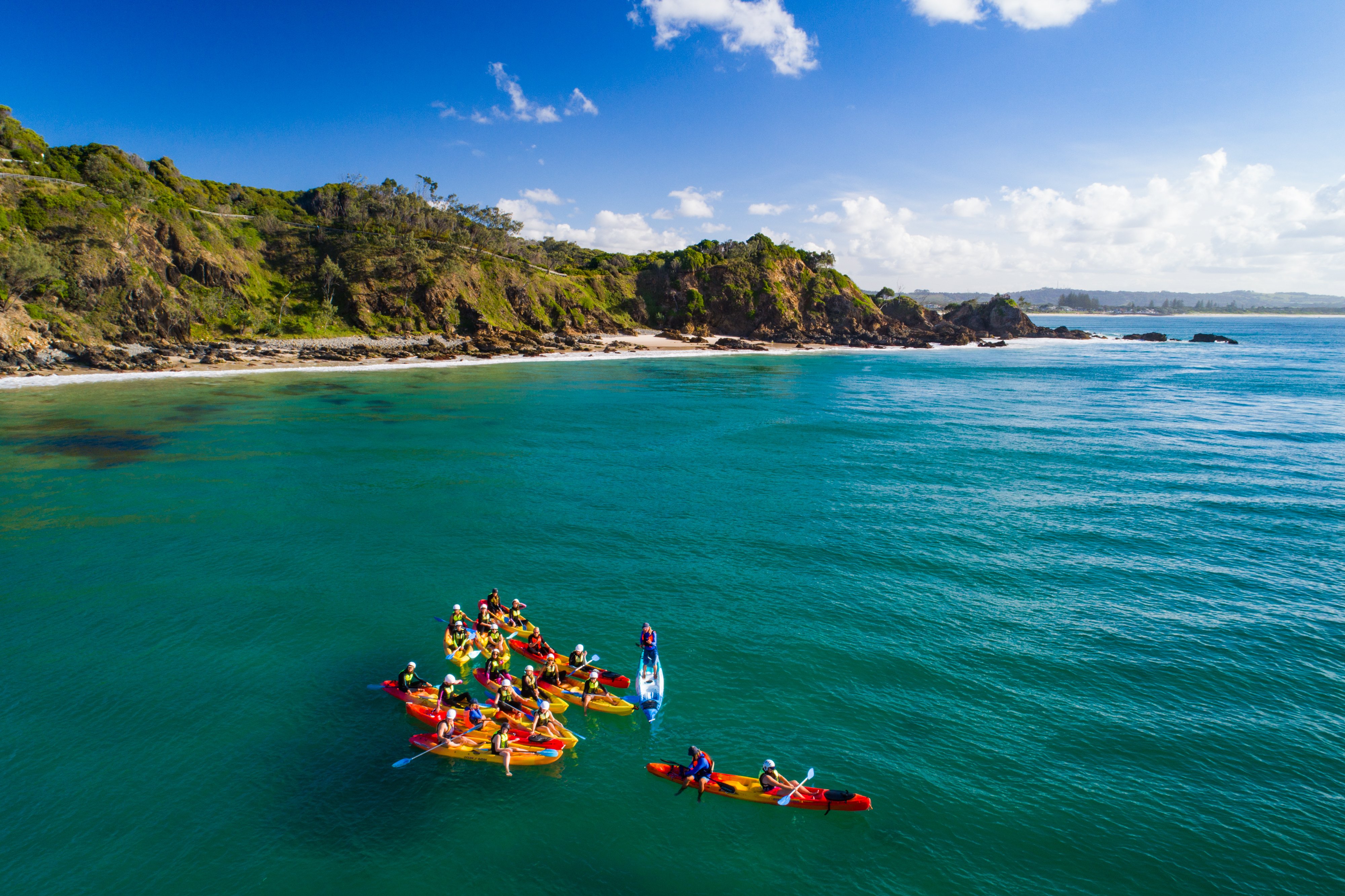
Byron Bay Sea Kayak Adventure 2 hours 30 minutes Free Cancellation

Byron Bay Sea Kayak Adventure

Paddle through a marine reserve, spot dolphins and turtles, and catch waves at Australia's iconic surf town

4.6 (1403)
FromFrom €60.99
See details
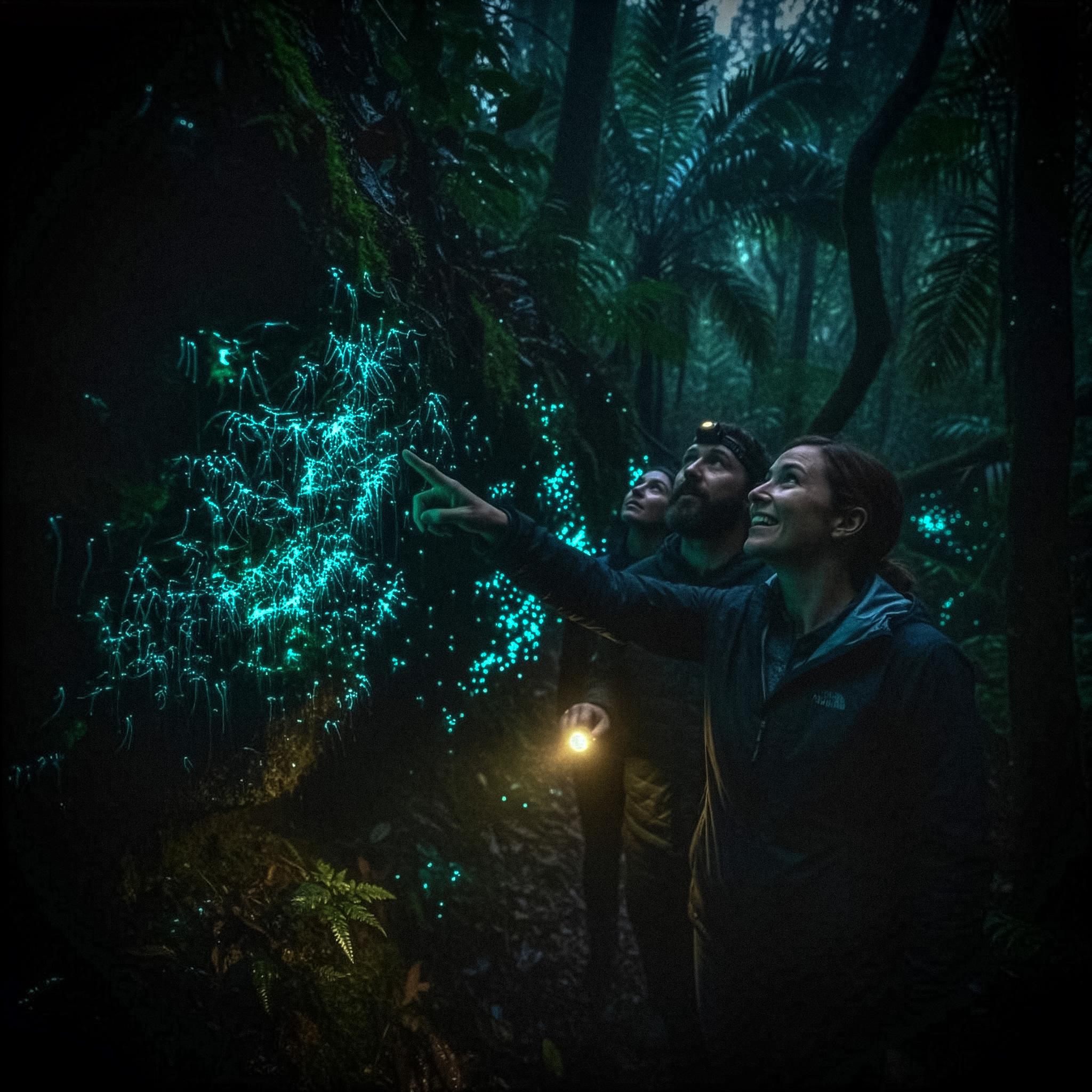
Byron Bay Hinterland: Glowworms, Waterfalls & Rainforest 5.5 hours Free Cancellation

Byron Bay Hinterland: Glowworms, Waterfalls & Rainforest

Journey through ancient forests to hidden waterfalls and witness nature's light show with glowworms

4.8 (572)
FromFrom €85.63
See details
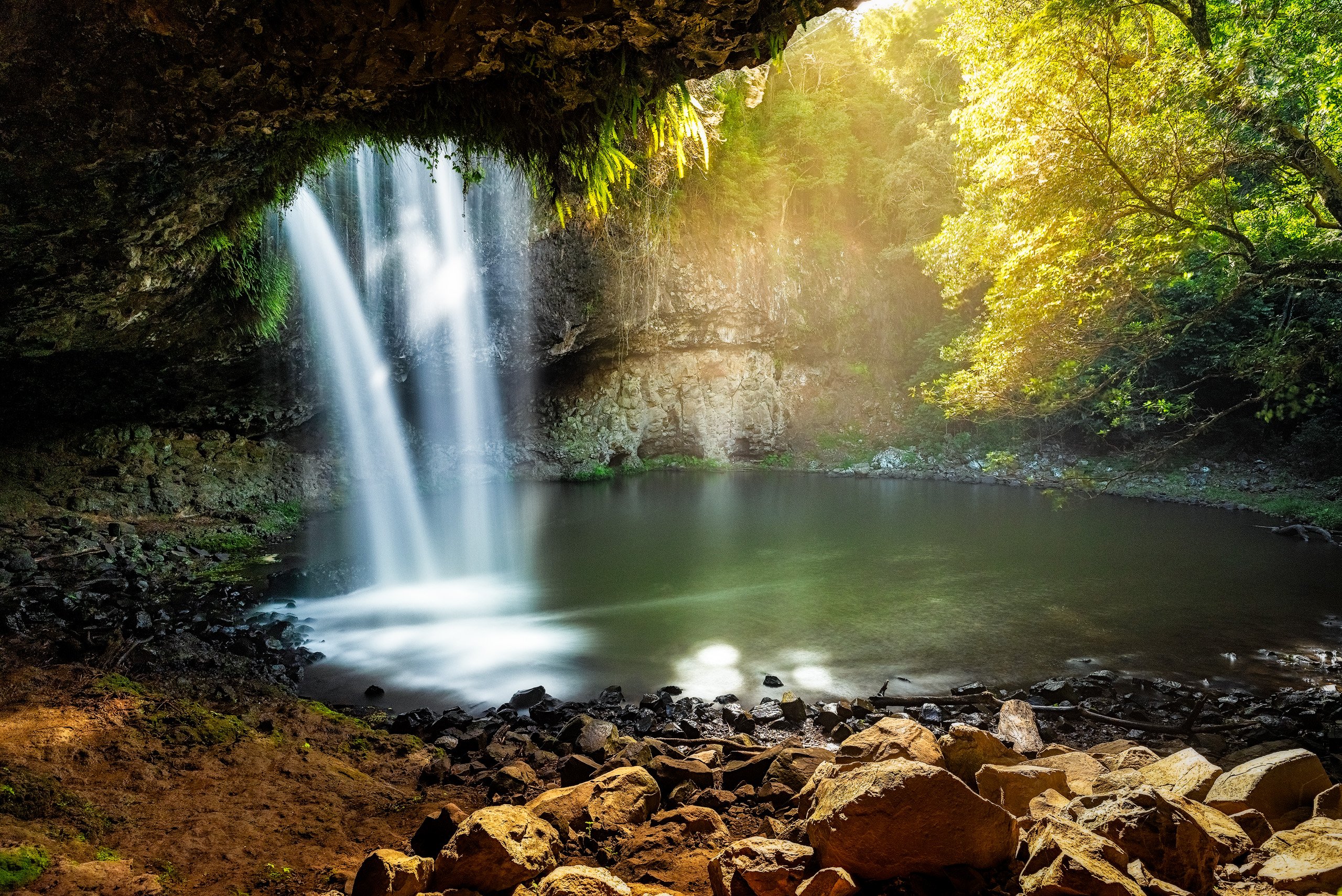
Behind The Bay Waterfalls & Hidden Gems Day Tour 6 hours Free Cancellation

Behind The Bay Waterfalls & Hidden Gems Day Tour

Discover cascading waterfalls, healing tea tree lakes, and secluded coastal spots with a local guide

4.8 (482)
FromFrom €79.47
See details
Byron Bay Group Surf Lesson 2.5 hours Free Cancellation

Byron Bay Group Surf Lesson

Master wave-riding fundamentals with certified instructors at Australia's iconic surf paradise

4.8 (78)
FromFrom €54.83
See details
Byron Bay Luxury Brunch River Cruise 2 hours Free Cancellation

Byron Bay Luxury Brunch River Cruise

Two-hour morning voyage along the Brunswick River with premium buffet and artisan coffee aboard M.V. Jasmine

FromFrom €79.47
See details
The experience

What visiting Diving Byron Bay Julian Rocks is really like

You board at sunrise from Main Beach, wetsuit already half-zipped as the commercial dive vessel clears the pass. The twin granite sentinels appear low on the horizon, seabirds wheeling above kelp beds that fringe the rocks.

Read more Show less

Your guide briefs entry procedures while you assemble your regulator — this is a drift dive, letting the current carry you along the northern wall.

You roll backward into green water. Descending the mooring line, you pass through a thermocline at eight metres where tropical blue replaces temperate murk. A wobbegong lies motionless beneath a ledge, its fringed camouflage blending into encrusting sponge. You fin through the first swim-through, torchlight catching a school of bullseyes pressed against the ceiling.

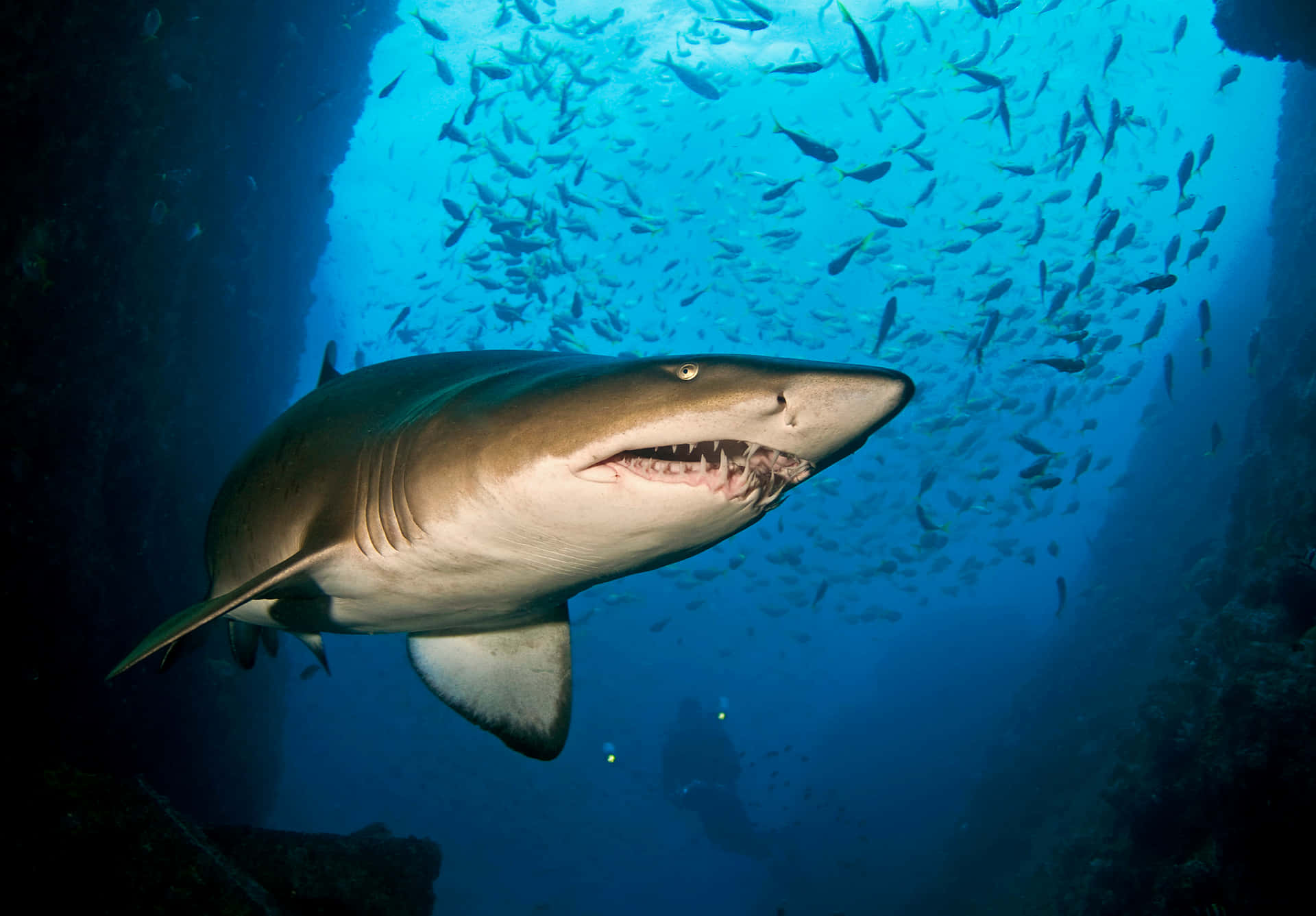
Grey nurse sharks materialize from the blue, three adults circling in formation. Their bodies are two metres of muscle and ragged teeth, but they glide past within arm's reach, indifferent. You pause at the exit of Cod Hole as your buddy signals — a manta ray overhead, wings spanning four metres as it banks through the current. The guide taps your tank at 50 bar. You ascend slowly along the mooring, watching the reef compress into silhouette as morning light floods the reserve.

Diving Byron Bay Julian Rocks
Everything You Need to Know

Your complete Diving Byron Bay Julian Rocks guide

All the details about your upcoming adventure in one place

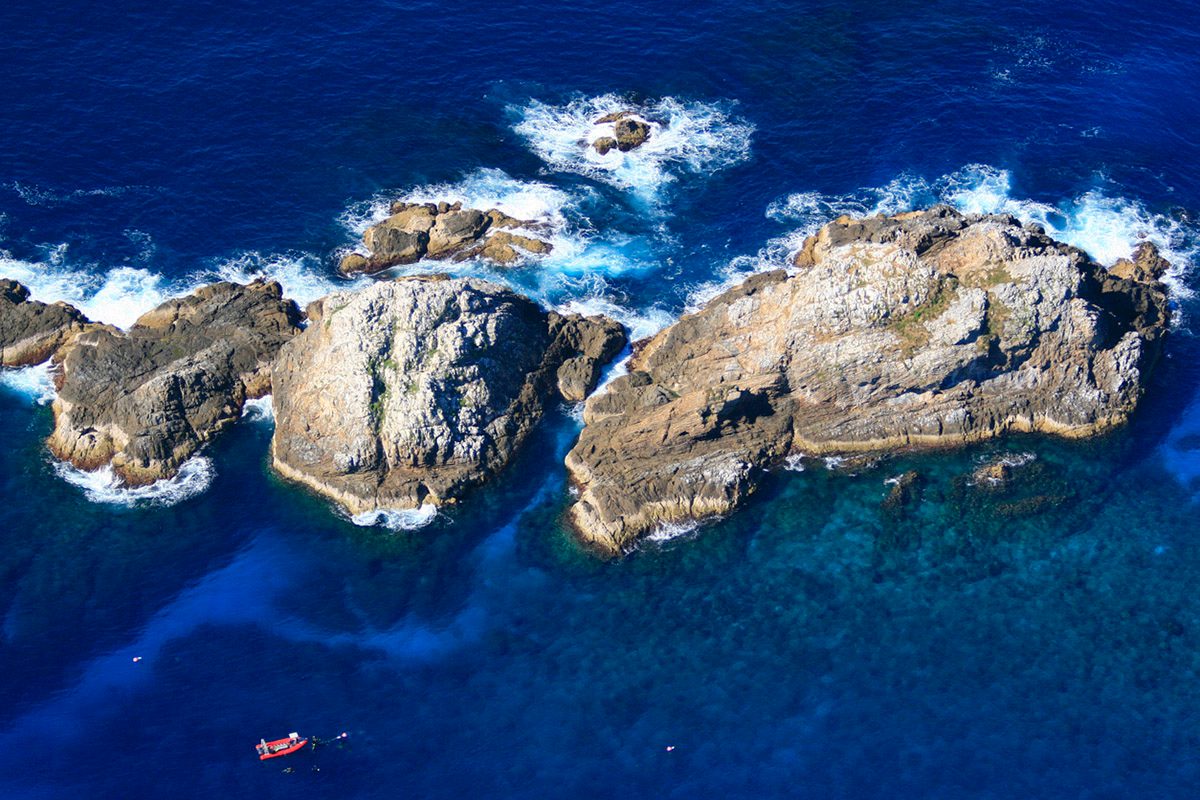
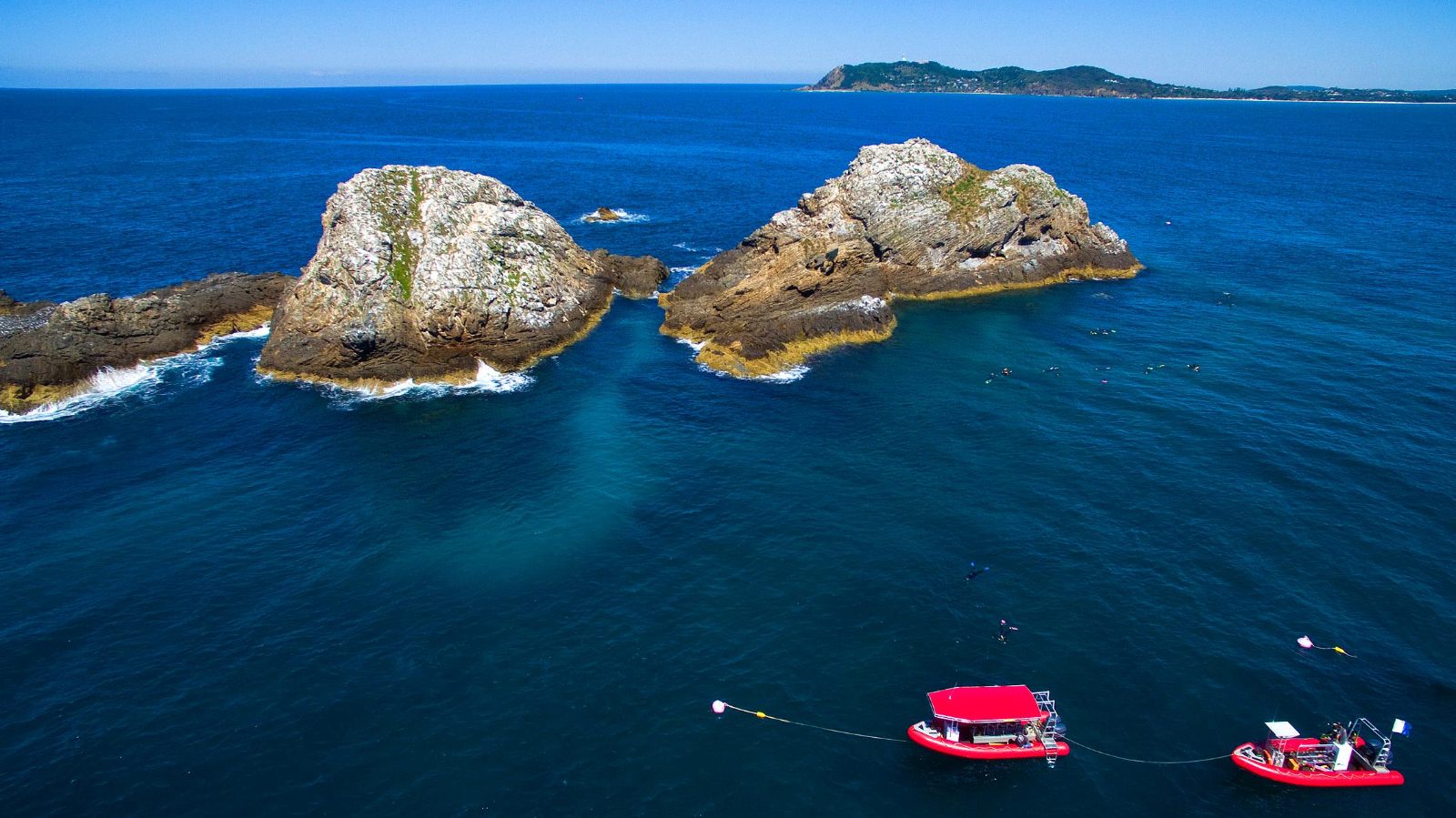
Julian Rocks rises 65 metres from the ocean floor, its twin granite outcrops breaching the surface 2.5 kilometres offshore. The Arakwal people know the formation as Nguthungulli, a powerful place where a warrior was turned to stone for breaking ancestral law.

Declared a marine reserve in 1982, the site now protects what marine biologists call the most biodiverse dive location on the Australian mainland — more than 1,000 species documented within a 200-hectare sanctuary.

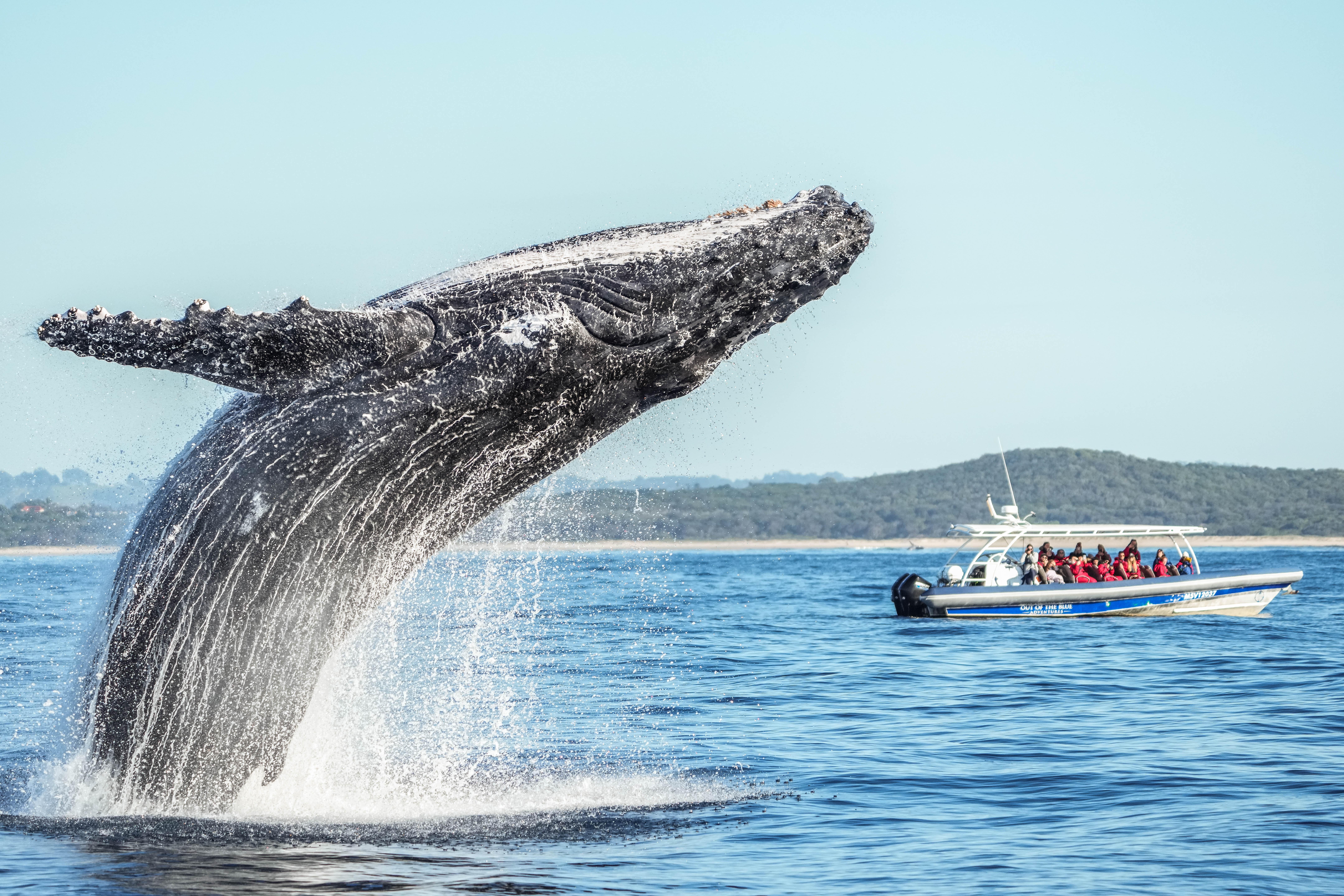
The reserve sits at the confluence of the East Australian Current and cold southern upwellings. Grey nurse sharks gather in gutters and caves between June and November, their numbers peaking near 30 individuals during winter aggregation periods. Leopard sharks rest in sandy depressions year-round. Between May and August, humpback whales pass within metres of the rock faces during their northward migration; the same corridor hosts manta rays and eagle rays from December through April when water temperatures climb above 24 degrees Celsius.

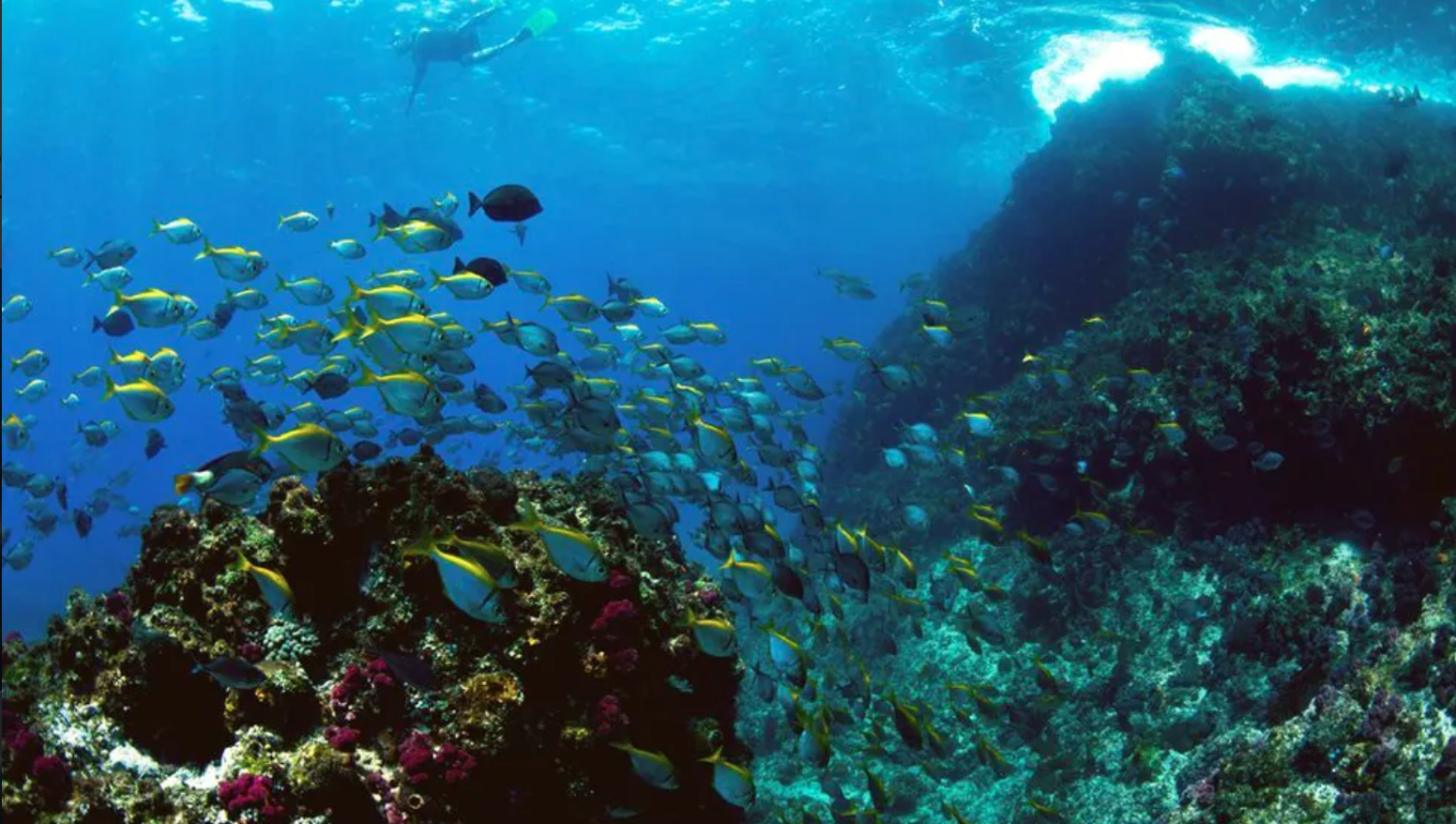
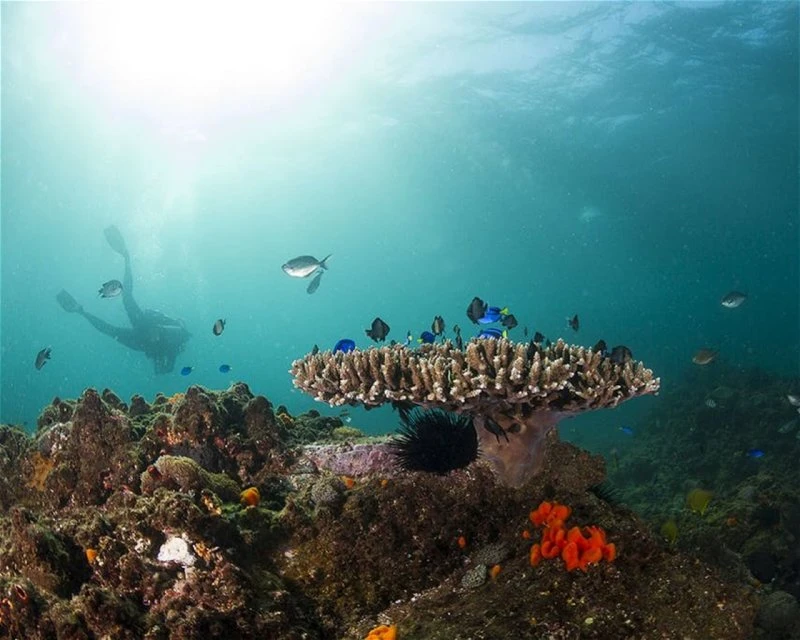
Visibility at Julian Rocks averages 15 metres but reaches 30 metres on calm mornings after several days without swell. The north side features three swim-throughs — the Cod Hole, the Nursery, and the Stingray Cave — where wobbegong sharks and broadnose sevengills shelter beneath overhangs crusted with jewel anemones. The southern face drops to a sand channel at 24 metres, a highway for pelagic species including kingfish, cobia, and occasional hammerhead sharks. Softcorals and sponge gardens cover boulder fields on the western slope, habitat for nudibranchs, octopuses, and hunting cuttlefish.

Commercial operators run three to four trips daily from Byron Bay, weather permitting. Dive sites rotate based on conditions: The Nursery and Cod Hole suit novice divers with maximum depths of 12 metres, while The Split and Lighthouse Bommie challenge advanced divers with stronger currents and depths to 26 metres. Every tour includes a marine park conservation levy, funding research and mooring maintenance within the reserve.

More than 1,000 species documented within a 200-hectare sanctuary.

Dress code

Wear comfortable swimwear and bring a warm change of clothes for after your diving byron bay julian rocks tour. Operators provide wetsuits for the water, but conditions can be cool.

Bags & security

Space on boats is limited; bring only a small waterproof bag with essentials. All personal items should be secured before your diving byron bay julian rocks trip begins.

Photography

Underwater photography is highly encouraged to capture the biodiversity of this marine reserve. Please ensure your camera is secured to your wrist or buoyancy aid during your diving byron bay julian rocks excursion.

Families & strollers

Children are welcome on many boat tours if they meet minimum age requirements set by the operator. Safety supervision is mandatory for all minors during a diving byron bay julian rocks tour.

Accessibility

The reserve is an open-ocean marine site and is not wheelchair accessible. Participants must be comfortable swimming in open water for any diving byron bay julian rocks tour.

Food & drink

Bring your own drinking water and light snacks, as food is not provided on most diving byron bay julian rocks tours. Please ensure all waste is packed out to protect the marine environment.

Not allowed

× Spearfishing equipment × Fishing gear × Single-use plastics × Drones × Personal motorized watercraft × Alcohol × Glass containers × Sharp objects × Harassing wildlife × Feeding marine life

What to bring

✓ Swimwear ✓ Towel ✓ Sunscreen ✓ Water bottle ✓ Certification card ✓ Photo ID ✓ Sense of adventure

Opening hours

Mon 00:00 – 23:59
Tue 00:00 – 23:59
Wed 00:00 – 23:59
Thu 00:00 – 23:59
Fri 00:00 – 23:59
Sat 00:00 – 23:59
Sun 00:00 – 23:59

How to get there

At a glance

Opening hours

00:00–23:59

Address

Julian Rocks Nguthungulli Nature Reserve, off the coast of Byron Bay, NSW 2481

Access

Accessible only via commercial boat tour operators.

Best arrival window

07:00–12:00

Storage

Not available at the reserve; check with your chosen boat operator.

Location

2.5 km off Byron Bay's Main Beach

Cancellation policy

Cancellations are subject to individual operator policies, typically requiring 48 hours to 5 days notice for refunds. The entrance fee is 0 AUD as the reserve is a public marine space accessible via paid boat tours.

Plan your time

Optimal Timing for Diving Byron Bay Julian Rocks

Recommended time

Half a day

Most visitors spend approximately four hours for their trip, including boat transit from the mainland to the marine sanctuary. Planning for diving byron bay julian rocks requires booking a spot with commercial operators, as independent access is not permitted. You should secure your diving byron bay julian rocks tours early, as morning departures ensure you reach the reef when currents are manageable. When reviewing your diving byron bay julian rocks tickets, remember that total trip time depends on gear fitting and travel across the bay.

Crowd levels through the day

07:00–09:00 Light
09:00–11:00 Moderate
11:00–13:00 High
13:00–15:00 Moderate
The story

The history of Diving Byron Bay Julian Rocks

Julian Rocks, known to the Bundjalung people as Nguthungulli, has been a sacred site for thousands of years. Aboriginal oral tradition identifies the rocks as the warrior Nguthungulli himself, who sought refuge in the ocean after being wounded in battle. The two granite outcrops rose from volcanic activity approximately 20 million years ago, forming a unique geological formation 2.5 kilometers offshore. European settlers first charted the rocks in the 1770s during Captain Cook's voyage, naming them after Cook's nephew Julian. By the 1850s, lighthouse keepers and fishing crews used the rocks as a navigation landmark, but their underwater significance remained unknown. Recreational diving byron bay julian rocks began in the 1960s when early scuba enthusiasts discovered the site's extraordinary marine biodiversity. The convergence of warm tropical currents from the north and cold temperate waters from the south created a rare meeting point for over 1,000 marine species. Commercial dive operators established permanent moorings in the 1970s, and by 1982 the New South Wales government recognized the ecological importance by declaring a 200-meter exclusion zone. The formal protection arrived in 1984 when Julian Rocks became Australia's first marine nature reserve, prohibiting fishing and anchoring within the protected waters. The reserve faced significant pressure during the 1990s as Byron Bay transformed into a tourism hub. Unregulated diving byron bay julian rocks tours threatened the delicate ecosystem, prompting stricter management protocols in 1998. The Marine Parks Authority introduced mandatory operator licensing, dive site capacity limits, and seasonal restrictions to protect grey nurse shark aggregations. In 2010, the reserve was formally renamed Nguthungulli Nature Reserve in recognition of its Aboriginal cultural significance, though Julian Rocks remains the common designation. Today the reserve supports a sustainable dive tourism industry while maintaining its role as a critical breeding ground for endangered species.

20 million yrs

Volcanic activity forms two granite outcrops that will become Julian Rocks

1770s

Captain Cook's expedition charts the rocks, naming them after his nephew Julian

1960s

First recreational scuba divers explore the underwater formations and document rich marine life

1982

New South Wales government establishes 200-meter exclusion zone prohibiting fishing around the rocks

1984

Julian Rocks declared Australia's first marine nature reserve with formal protection status

1998

Mandatory operator licensing and dive capacity limits introduced to manage tourism pressure

2010

Reserve officially renamed Nguthungulli Nature Reserve honoring Bundjalung cultural heritage

Photo spots

Best photo spots at Diving Byron Bay Julian Rocks

The Nursery

The Nursery

Best light · Before 10:00

This shallow area features soft corals and abundant schooling fish, making it a primary zone when diving byron bay julian rocks for macro photography.

Gallery

Moments from Diving Byron Bay Julian Rocks

With kids

Family Considerations for Diving Byron Bay Julian Rocks

Visiting this marine sanctuary with family offers a rare chance to observe diverse ocean life in a protected environment. Since all access is via commercial boat, guests must be prepared for open-water conditions rather than a traditional beach excursion.

Swimming Proficiency

All participants must be confident swimmers who can swim 200m unassisted, as the reef is located in open water where it is too deep to stand.

Age Requirements

Snorkeling tours generally require a minimum age of 7 years, though some operators may accept children from age 5; always confirm the specific policy when securing your diving byron bay julian rocks tickets.

Safety and Supervision

Children under 18 must be accompanied by an adult, and all guests are required to wear a life jacket while aboard the boat for these diving byron bay julian rocks tours.

Logistics and Facilities

There are no baby-change facilities or stroller-accessible paths at this off-shore reserve, so families should plan for boat-based transit and ensure children are comfortable with ocean travel before booking a diving byron bay julian rocks tour.

Health Considerations

This activity is typically unsuitable for individuals with serious medical conditions, back or spinal injuries, or those prone to severe seasickness, so please review these details carefully before your visit.

Food & drink

Dining Near Diving Byron Bay Julian Rocks Departure Points

While there are no food outlets on the reserve itself, visitors planning their diving byron bay julian rocks excursion will find an array of options clustered near the main departure points in Byron Bay. Most travelers prefer a quick meal near the jetty after completing their diving byron bay julian rocks tour.

The Byron Bay General Store

$15-25

Bistro — 5 min walk

A local favorite for post-dive nourishment featuring organic produce and hearty breakfast bowls. It is ideal for those who have secured their diving byron bay julian rocks tickets and need a reliable spot nearby.;Bayleaf Cafe

FAQ

Diving Byron Bay Julian Rocks — frequently asked questions

Everything you need to know for your journey

Ready for Adventure?

Join thousands of happy travelers who have discovered this incredible experience

Book Your Experience Now